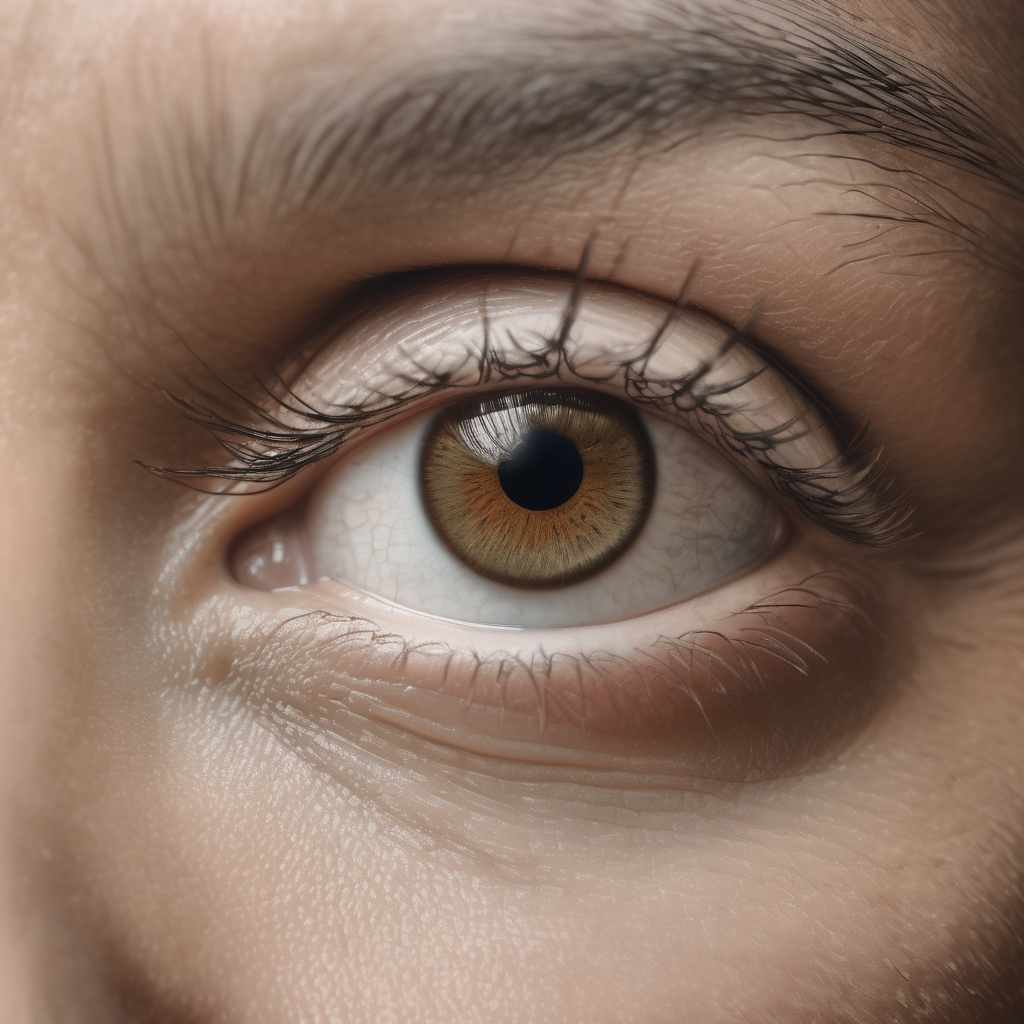
Blepharitis is a prevalent eye condition characterized by inflammation and irritation of the eyelids, particularly the areas surrounding the eyelashes. Although it is generally not dangerous, it can be persistent and uncomfortable, affecting individuals of all ages. Many people experience this condition more than once, so proper understanding and regular care are crucial in managing blepharitis effectively.
A common cause of blepharitis is a bacterial infection, specifically from the Staphylococcus aureus bacteria, which often colonizes the eyelid margins, leading to inflammation. There are two main forms of blepharitis: anterior blepharitis, which affects the outer part of the eyelid due to bacteria or skin conditions like dandruff, and posterior blepharitis, which occurs on the inner eyelid and involves the oil glands that maintain tear health. Clogged oil glands can result in dry, irritated, or gritty sensations in the eyes.
The symptoms of blepharitis often include red and irritated eyelids, swollen edges, crusts or flakes around the eyelashes, a gritty feeling, light sensitivity, and a burning or stinging sensation. Frequent styes or chalazia may also be noted.
Preventative measures are vital for managing blepharitis. Maintaining eyelid hygiene is essential; this includes using warm compresses, keeping eyelids clean, and avoiding eye rubbing. It’s crucial to remove makeup nightly and ensure makeup tools are sanitized. Additionally, managing dandruff or skin conditions, staying hydrated, and taking regular breaks from screen time can further mitigate symptoms. In cases where blepharitis persists, eye-care professionals may recommend antibiotic eye drops or ointments.
To maintain proper eyelid hygiene, individuals should use a warm (not hot) cloth or mask on their eyes for 5–10 minutes, three to four times daily to soften the oils in the eyelid glands. Following this, gently massaging the eyelids and cleaning along the lash line with sterile cotton buds or lid wipes should be performed daily during flare-ups, and several times a week for maintenance.
In conclusion, while blepharitis can cause discomfort, diligent eyelid care can significantly alleviate symptoms. Should irritation worsen or symptoms persist, individuals are encouraged to consult an eye care professional for appropriate treatment. Prioritizing eye health today can lead to clearer vision tomorrow.