As heat waves become increasingly common, homeowners must adopt effective strategies to maintain a cooler indoor environment and protect their properties from heat-related issues. By implementing some straightforward adjustments, it is possible to enjoy a comfortable home while lightening the load on air conditioning systems.
A highly efficient method is to utilize a dehumidifier, which decreases moisture in the air. This not only improves comfort levels but also helps prevent mold and potential damage to wood structures due to high humidity levels. Furthermore, transitioning from traditional incandescent bulbs to energy-efficient CFL or LED alternatives can significantly reduce indoor temperatures, as the latter generate less heat. For instance, a standard 100-watt incandescent bulb can elevate room temperatures by approximately 11 degrees per hour.
Another practical tip involves unplugging appliances when they are not in use. Even idle electrical devices produce heat, contributing to a warmer indoor atmosphere. It is also advisable to minimize cooking indoors during excessive heat, with options such as outdoor grilling or dining at air-conditioned restaurants.
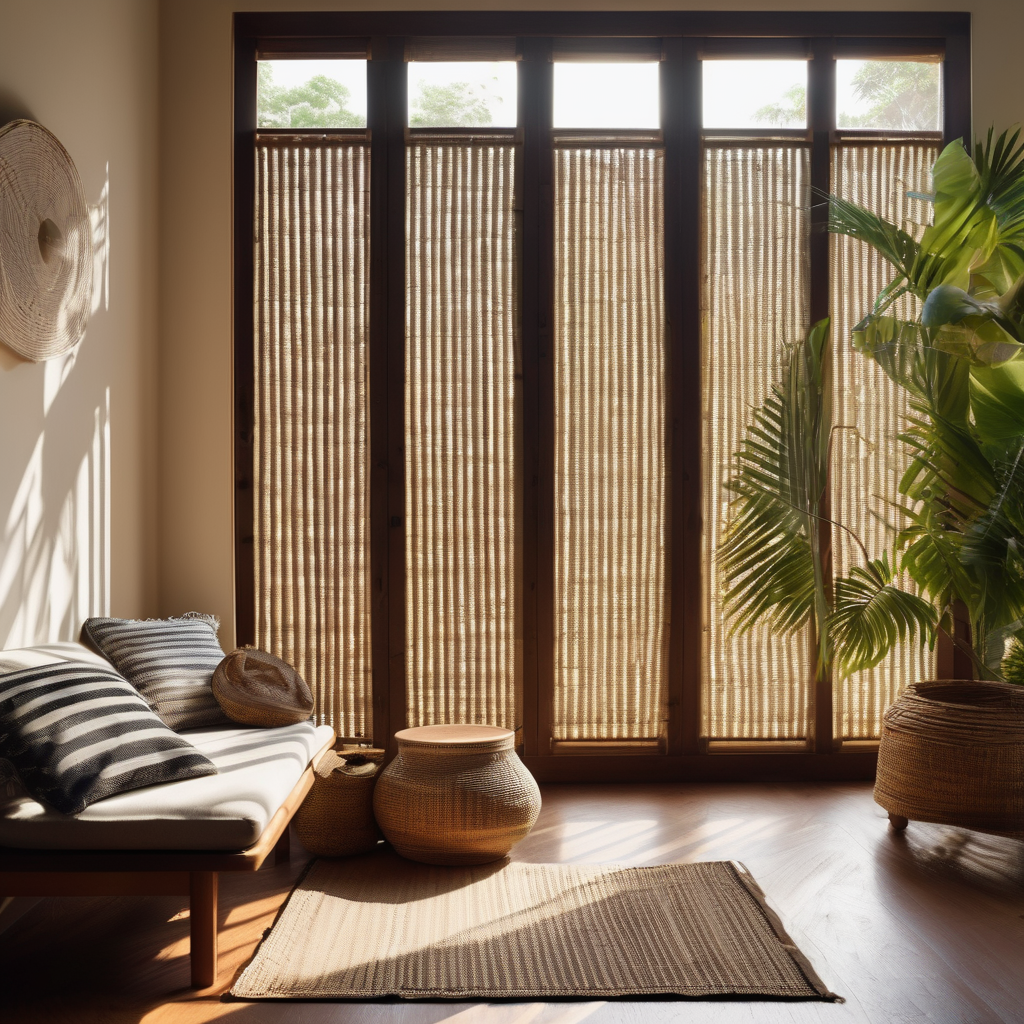
To effectively shade the home from the sun’s heat, homeowners should keep blinds or shades drawn during the hottest parts of the day—late morning through early evening. Applying tinted window film or using blackout shades can help reduce indoor temperatures by as much as 15 degrees. Additionally, reversing ceiling fans to run counter-clockwise can enhance air circulation, providing a refreshing breeze throughout living spaces.
For an additional cooling effect, personal fans can be placed near open windows to draw in cooler air from outside. Installing an air conditioning unit equipped with a programmable thermostat is another smart choice; this allows for efficient operation, cooling the home just before arrival.
Maintaining clear gutters and drains is crucial for proper drainage, especially after heat waves when sudden storms can occur. Ensuring effective drainage helps prevent potential structural damage by directing rainwater away from the home.
These practical strategies combine to create a noticeably cooler indoor environment during hot summer days, fostering improved energy efficiency and protecting the home. As heat waves escalate, adopting these methods not only enhances comfort but also serves as a proactive approach to safeguarding our living spaces. Embracing such strategies can lead to a more pleasant and resilient home during increasingly warm seasons.