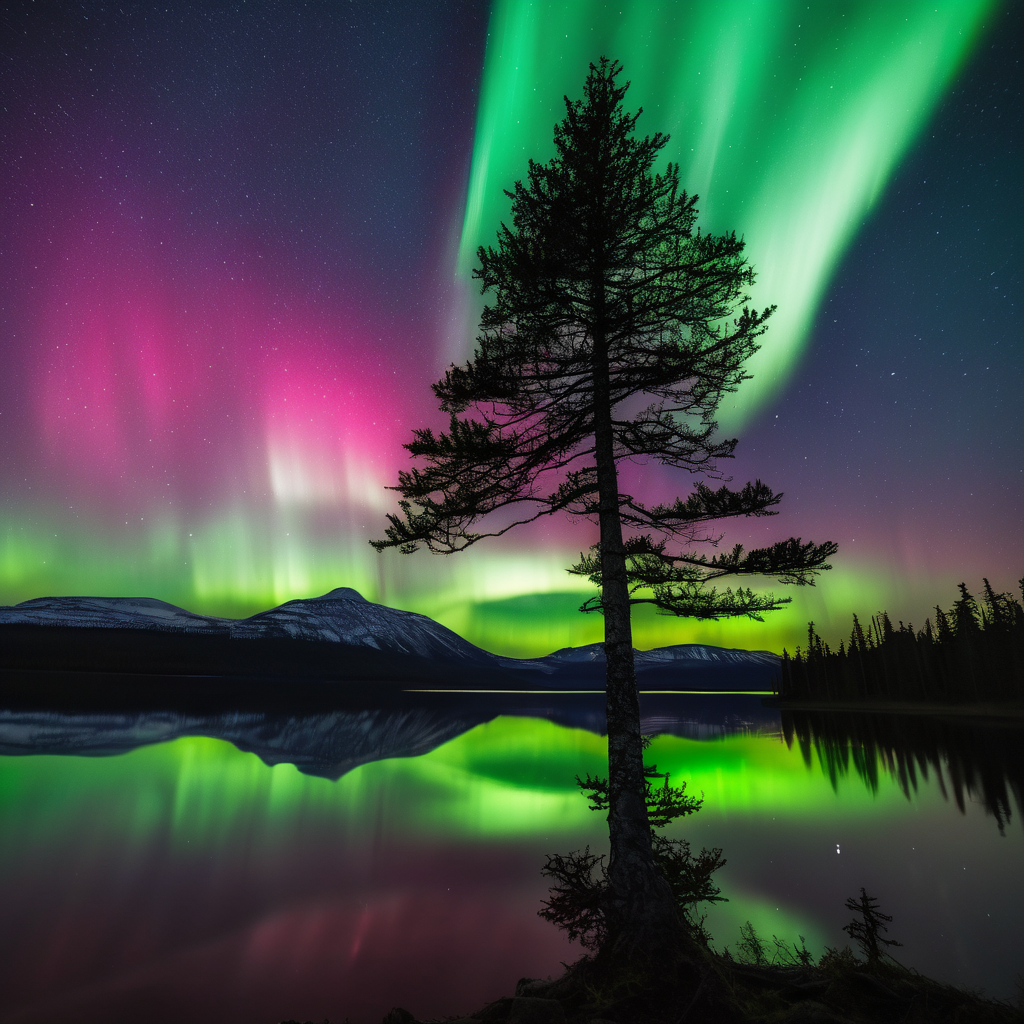
The solar activity remains vibrant despite Solar Cycle 25 nearing its decline, as a recent powerful solar flare has caused disruptions in shortwave radio communications and is expected to precede a significant geomagnetic storm. This event raises the excitement for aurora enthusiasts, with the National Oceanic and Atmospheric Administration’s Space Weather Prediction Center suggesting that these stunning natural light displays could be visible as far south as Alabama and northern California.
The aurora forecast for the night of January 19, 2026, indicates that 24 states might witness this celestial spectacle, including regions like Alaska, Washington, and Oregon, as well as parts of the Midwest and the Northeast. The forecast offers a hopeful outlook for sky watchers in Portland, where clear weather conditions could enhance the viewing experience.
To optimize the aurora viewing, it is recommended to find locations away from city lights and to direct your gaze toward the northern horizon. Enthusiasts can stay updated by checking the Space Weather Prediction Center’s 30-minute aurora forecast for real-time predictions on visibility.
This event serves as a reminder of the beauty of our universe and the exciting opportunities for stargazers. With such solar activity heightened, there’s a renewed sense of wonder and anticipation for nature’s light show.