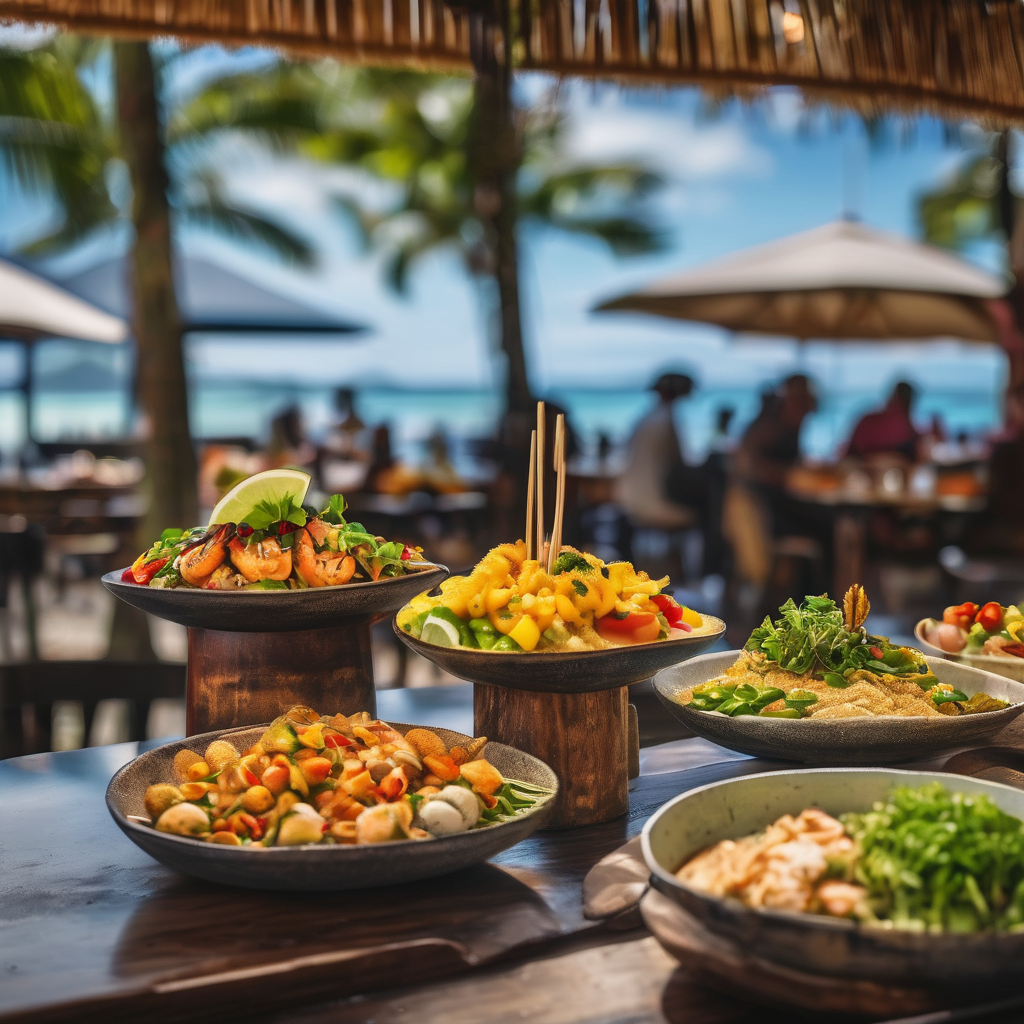
In some of Asia’s most vibrant cities, the streets are alive with energy, the markets overflow with fresh produce, and kitchens begin to sizzle long before dawn. For both travelers and locals, these dynamic environments can feel overwhelming, yet it is precisely this richness of people, culture, and flavor that makes the dining experiences unforgettable. The culinary tapestry is woven from generations of cooks and contemporary chefs, where regional ingredients shine, street food coexists with high-end dining, and daily rituals of eating are celebrated. The MICHELIN Guide Inspectors have observed evolving traditions, where both simple everyday meals and elaborate tasting menus receive equal reverence, highlighting craftsmanship over fleeting trends.
From bustling street vendors to serene modern eateries, and from family-run noodle shops to artfully curated tasting menus, nine culinary capitals stand out not just for their size or variety but also for their palpable momentum. These cities—ranging from Seoul with its individual dish-centric culture to Manila’s rise in culinary confidence—illustrate a convergence of talent, tradition, and innovation that invites diners to explore and return.
Seoul stands as a paragon of culinary excellence where individual dishes define its identity. The city boasts a rich gastronomic history stretching over 2,000 years, blending ancient traditions with modern influences. Here, traditional favorites like gomtang (clear beef broth soup) and gejang (fermented crab) are just as revered as contemporary dining experiences. The MICHELIN Guide Seoul reflects this depth of flavor, with coveted accolades such as three stars for Mingles—recognizing its innovative approach to modern Korean cuisine.
Taipei captures attention with a blend of bustling urban life and natural beauty, presenting a unique culinary landscape where local Taiwanese ingredients transform international cuisines. Dishes such as beef noodles and stinky tofu are integral, even in fine dining establishments. Noteworthy restaurants like Eika illustrate this creative integration, showcasing how global flavors can harmonize with local produce.
Hong Kong thrives on its dual identity, marrying traditional Cantonese classics with bold global innovations. The culinary scene reflects this unique mix, featuring iconic dishes alongside elevated interpretations from innovative chefs. From upscale dining to vibrant street food, every meal tells a story that enhances the city’s character.
Manila embodies resilience and tradition, where a rich tapestry of flavors merges with family memories. The city’s culinary landscape, represented in the MICHELIN Guide, emphasizes continuity and local practices, resulting in dishes that resonate deeply with personal histories—inviting diners to share in both the flavors and experiences.
Meanwhile, Singapore represents a remarkable fusion of culinary diversity, where hawker stalls and fine dining coexist. This vibrant city reflects careful attention to quality across all dining levels, with restaurants like Seroja highlighting the richness of local traditions combined with global influences.
In Penang, hawker culture remains paramount, with iconic dishes like asam laksa and nasi kandar grounding the dining scene. The emergence of destination dining sees heritage kitchens blending with modern techniques, enhancing the island’s rich culinary identity.
Bangkok continues to reinvent itself, driven by a focus on seasonal ingredients and local suppliers. As new restaurants elevate traditional Thai meals, visitors can immerse themselves in both time-honored recipes and contemporary flavor profiles—showcasing the city’s culinary evolution.
Ho Chi Minh City is burgeoning with freshness, as young chefs spotlight local ingredients and seasonality in their cooking. The city oscillates between vibrant street food and creative fine dining, balancing approachable formats with thoughtful presentations.
Tokyo remains unrivaled in its diversity, hosting the highest number of MICHELIN-Starred establishments globally. The culinary spectrum ranges from humble izakayas to prestigious kaiseki restaurants, reflecting both historical lineage and innovative expressions in food that celebrate seasonal offerings.
As travelers explore these cities, they are greeted with not only exceptional flavors but also a deeper understanding of culture, tradition, and community that each meal brings. These culinary hubs are waiting to be discovered and appreciated, promising a rich tapestry of experiences for those willing to immerse themselves in their unique stories.