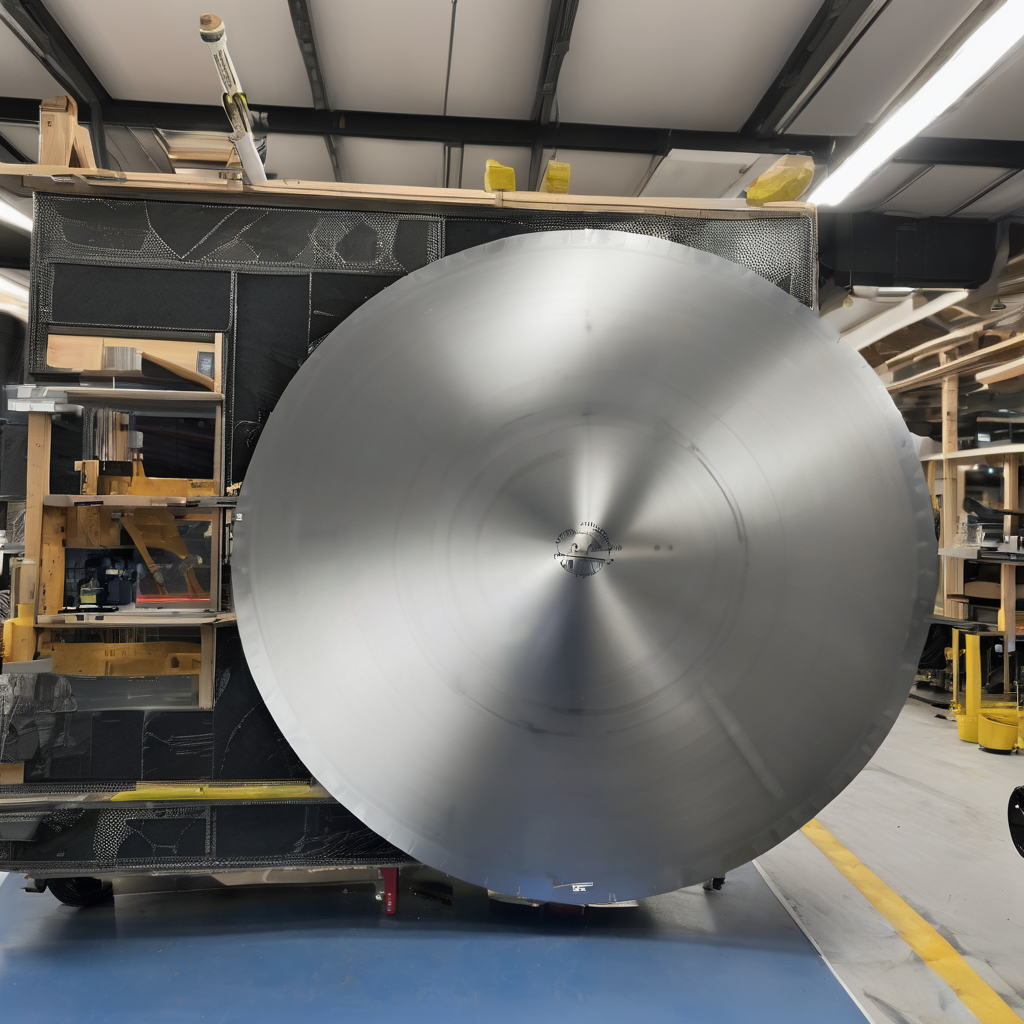
As NASA prepares for a historic lunar mission, four astronauts are set to board the Orion spacecraft on February 6, despite concerns regarding a flaw in the spacecraft’s heat shield. Experts have voiced caution about the decision to carry humans on this mission, known as Artemis II, but NASA remains steadfast in its belief that it has adequately addressed the issue and that the crew will return safely.
The heat shield is a critical component that protects astronauts from extreme temperatures during their reentry into Earth’s atmosphere. This specific heat shield, similar to the one used in the uncrewed Artemis I test flight, displayed unexpected damage after its mission, leading to a thorough investigation by NASA. Dr. Danny Olivas, a former astronaut involved in examining the heat shield issue, acknowledged the risks but expressed confidence in NASA’s understanding of the problem.
Following the Artemis I flight, NASA analyzed the heat shield’s compromised condition and decided to proceed with Artemis II, slightly adjusting the mission’s flight path to mitigate risk. In a statement, the agency emphasized that all potential impacts were considered, noting that uncertainty exists regardless of the chosen course of action. Astronaut Reid Wiseman, who will command the mission, supported this view, asserting that understanding the root cause of the heat shield issue was crucial for determining safety.
However, dissent remains among some experts. Dr. Charlie Camarda, also a former NASA astronaut, critiqued the agency for allowing astronauts to fly under current conditions, voicing concerns over unresolved problems that should have been addressed earlier. He sees this as a continuation of a pattern of overlooking critical safety issues within NASA.
Amid these discussions, NASA officials are assembling for final risk assessments of the Artemis II mission, determining the spacecraft’s readiness to launch with crew members Wiseman, Victor Glover, Christina Koch, and Canadian astronaut Jeremy Hansen.
The Orion spacecraft itself represents a significant investment and lengthy development timeline for NASA, with many in the aerospace community expressing frustration over the costs and delays associated with the project. Proponents of the vehicle, however, remain optimistic that it can achieve its objectives safely. The Artemis II mission will utilize a modified reentry trajectory designed to reduce the risk of heat shield damage during the return, although critics question how effective this approach will be without addressing the fundamental issues of the heat shield’s integrity.
While there’s a consensus among some experts that a safe return is likely, there is also an acknowledgment of the potential for unexpected issues during reentry. The discussions surrounding the Artemis II mission highlight the intricate balance between risk management and the pursuit of exploration that defines NASA’s current endeavors.
With the launch date approaching, the agency continues to affirm its commitment to safety and thorough analysis, underscoring the importance of confidence in engineering choices as humanity prepares to venture back to the Moon. As this mission unfolds, it offers a vital learning opportunity for both NASA and the broader aerospace community, emphasizing the need for diligence and transparency in addressing challenges in space exploration.