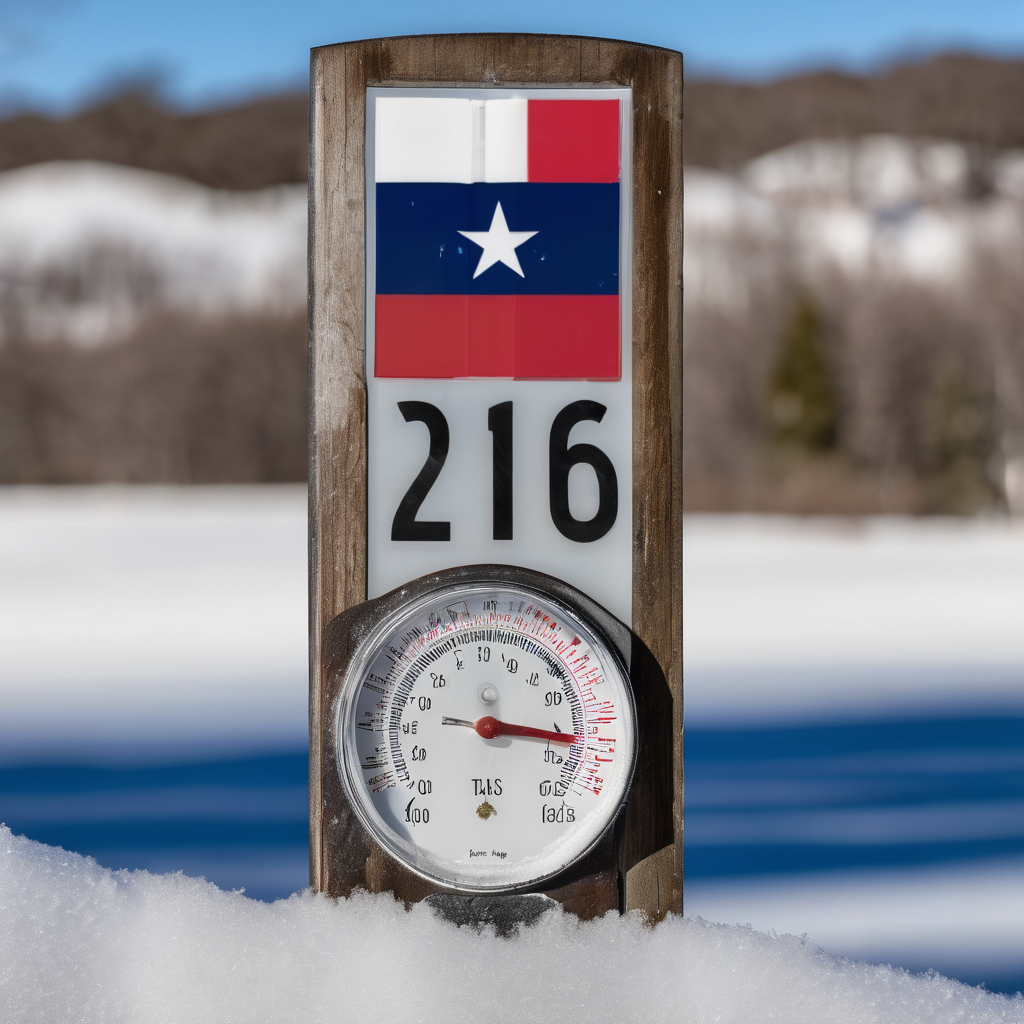
Sunday morning is set to deliver some of the coldest temperatures of the season for Texas as a surge of arctic air sweeps through the northern United States this weekend. This influx of polar air is expected to bring overnight lows well below freezing in many regions, starting with a cold front moving across Texas on Friday that will gradually lower air temperatures and increase wind speeds.
Areas particularly susceptible to freezing conditions include the Texas Panhandle, as well as North and Central Texas, where temperatures could plummet into the 20s as soon as Saturday night. With clear skies anticipated overnight, the phenomenon known as radiational cooling will further exacerbate the drop in temperature. Radiational cooling occurs when winds die down after sunset, allowing heat to escape rapidly from the ground, thereby causing even colder conditions.
The primary concern with temperatures falling below 28°F for an extended period is the potential for a hard freeze, which can be detrimental to sensitive plants and crops, disrupt agricultural operations, and stress outdoor vegetation. Throughout this period of frigid temperatures, residents should also be mindful of the risks of frozen and bursting pipes, particularly those that are exposed or inadequately insulated. As water freezes inside pipes, it expands and increases internal pressure, putting them at risk of bursting—especially during rapid shifts from freezing morning temperatures to warmer afternoons.
Moreover, livestock, pets, and individuals without adequate heating are at heightened risk for hypothermia and cold-related health issues during prolonged freezing conditions. To combat these threats, residents are advised to check on their neighbors and pets, cover or bring sensitive plants indoors, and insulate any exposed outdoor pipes before the cold air takes hold.
As the weekend progresses, a forecast model will provide insights into the anticipated temperatures for regions across North Texas, as well as cities along the I-35 corridor, including Austin, San Antonio, and the Texas Hill Country. These temperatures will be affected by varying factors such as cloud cover and wind speeds.
With appropriate precautions, Texans can better prepare for the cold weather ahead, ensuring the safety of themselves, their property, and their loved ones.