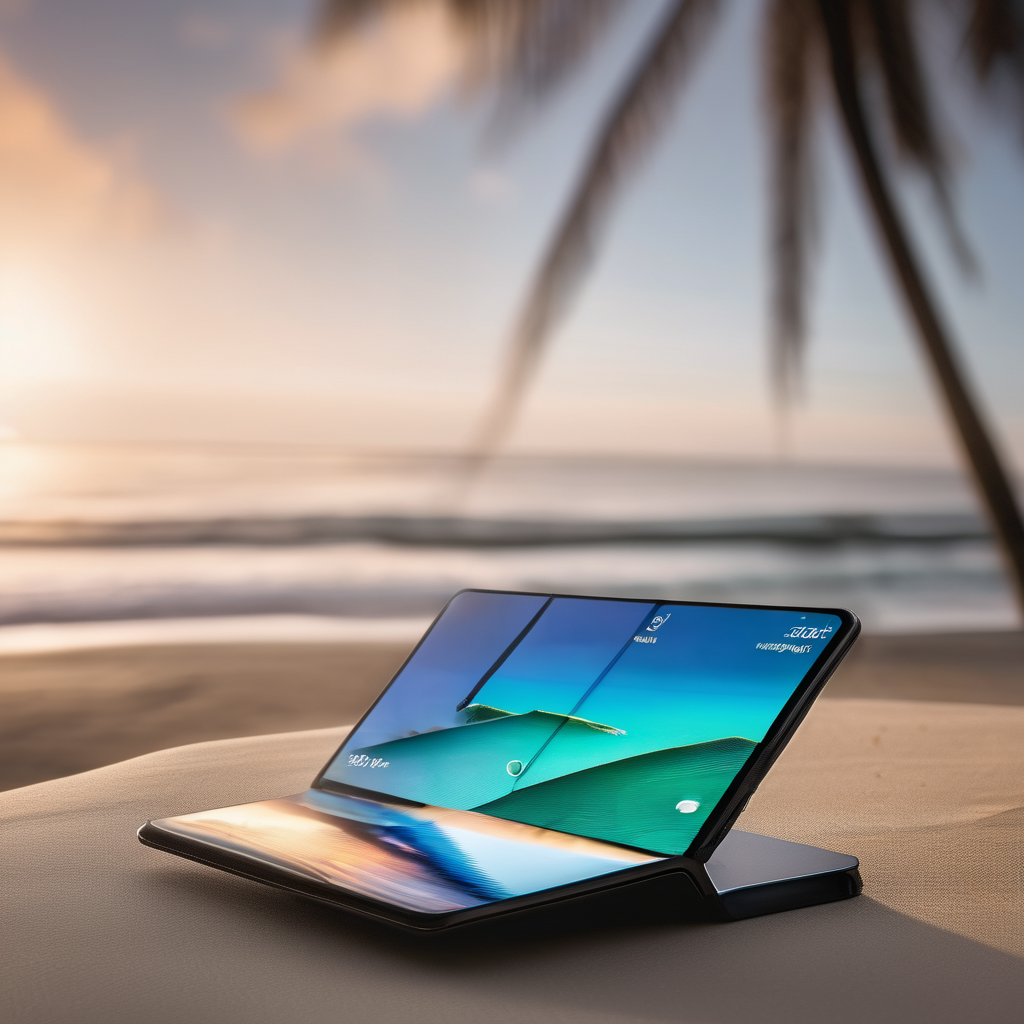
Apple is set to innovate with the upcoming iPhone Fold, which will be the first device to feature Samsung’s cutting-edge OLED technology, known as CoE (Color Filter on Encapsulation). This new advancement is anticipated to enhance the display’s brightness and reduce thickness compared to previous OLED panels, as reported by The Elec.
Traditionally, OLED displays include a polarizing film that serves to minimize reflections and improve contrast. However, this film inherently absorbs some of the emitted light, leading to decreased brightness and efficiency. The new CoE technology allows Apple to eliminate the polarizer, applying the color filter directly onto the display’s protective encapsulation layer. Consequently, this innovation would not only create a slimmer display stack but also allow more light to penetrate, enhancing brightness without increasing power consumption.
The Elec speculates that the iPhone Fold could launch as early as late 2026, with the CoE technology eventually making its way to the iPhone Air 2 in 2027. However, this timeline may be subject to change, particularly since reports indicate delays in the release of the iPhone Air 2 due to below-average sales of its predecessor.
Industry sources suggest that a final decision regarding the implementation of CoE and the launch of the iPhone Air 2 will be made by the third quarter of this year. Meanwhile, Samsung intends to utilize CoE not only in its foldable Galaxy Z Fold and Z Flip models but also in its forthcoming Galaxy S26 Ultra, set to be unveiled in the first quarter of 2024. This will mark the S26 Ultra as Samsung’s first non-foldable smartphone to adopt this innovative technology, internally dubbed OCF (On-Cell Film).
The anticipated advancements highlight a promising future for smartphone displays, with both Apple and Samsung leading the charge in improving the quality and efficiency of modern devices.