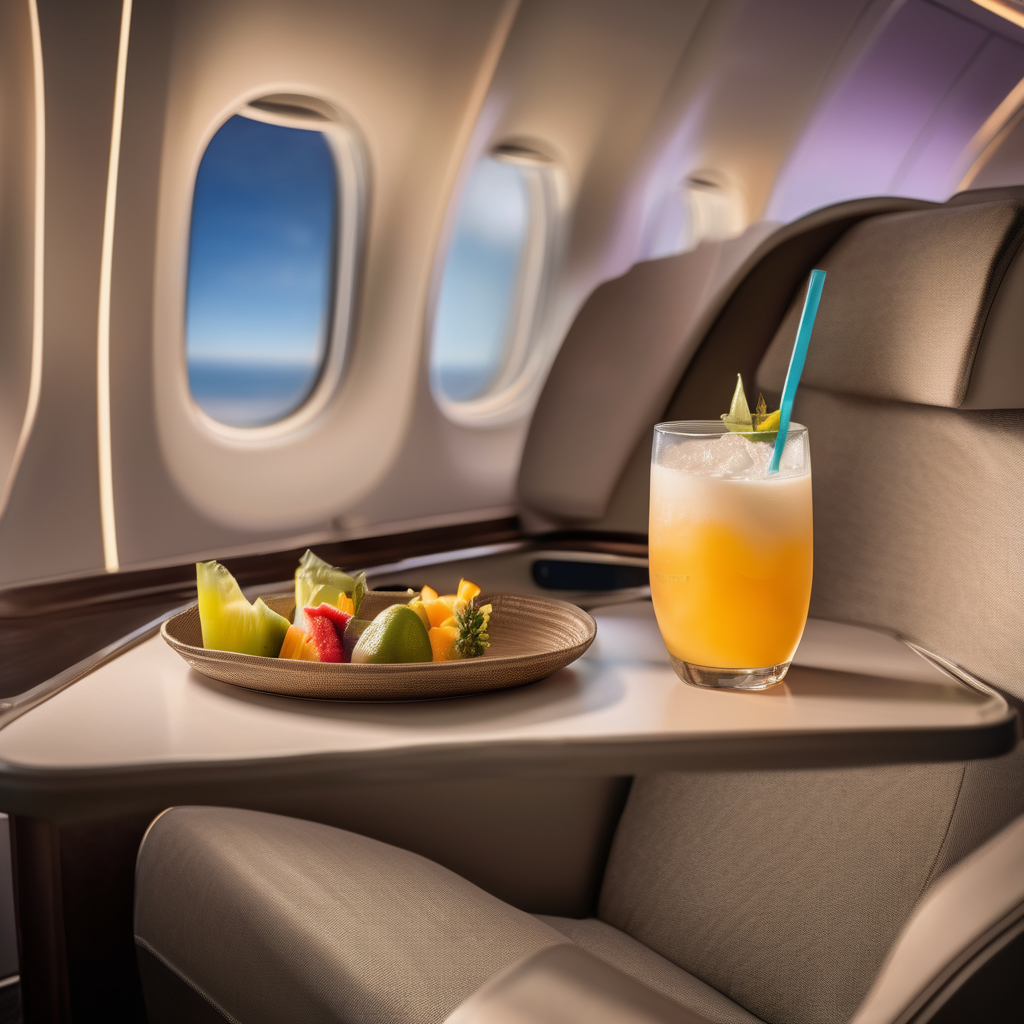
Alaska Air Group is in the spotlight as investors assess Hawaiian Airlines’ recent strategy regarding its A330 fleet and premium cabin enhancements. The airline intends to reduce its A330 fleet from 24 to 20 by 2028 as part of a broader restructuring aimed at optimizing revenue and mitigating declining cargo capacity. The revised strategy includes a significant overhaul of the cabin. Hawaiian plans to introduce modern premium suites and a legitimate premium economy section intended to attract customers willing to spend more, especially on longer leisure flights and visits to friends and family.
The implications of these changes are multifaceted for Alaska Air Group, especially as it considers operational adjustments amidst current market conditions. With Alaska’s stock recently priced around $52.13, attention is focused on factors such as capacity adjustments, pricing strategies, and aircraft delivery schedules, including the integration of 787-10s and MAX 10s, which are expected to improve seat economics on West Coast-to-Hawaii routes.
Hawaiian’s reduction in A330 aircraft poses a challenge since fewer aircraft could lead to diminished cargo revenue. However, the anticipated shift in seating configuration could help sustain and potentially increase ticket fares. Analysts are closely watching how the capacity changes may restrict market supply sufficiently to boost unit revenue without compromising connectivity for travelers. Observers are encouraged to follow updates regarding flight schedules to major Hawaii destinations and how interline and codeshare partnerships evolve.
Furthermore, the extensive renovation of Hawaiian’s A330s seeks to elevate the travel experience with a stronger emphasis on premium offerings. Upgrading to thoughtful lounge and meal services, alongside reimagined cabins, aims to create a compelling offering for consumers. This shift could generate a higher willingness to pay for premium seating, thereby enhancing revenue per available seat mile (RASM) while balancing out the cargo limitations introduced by the fleet reduction.
On the financial front, recent metrics reveal Alaska Air Group’s leverage points and liquidity challenges, with a debt-to-equity ratio of 1.67 and fluctuating operating cash flows. The $600 million investment targeted towards enhancing guest experiences in Hawaii requires close monitoring for return on investment and cash flow management.
Currently, Alaska’s stock valuation appears mixed, featuring a P/E ratio of 60.8 with a price-to-book ratio of 1.48. As the stock trades near its moving averages, market analysts highlight the importance of staying vigilant regarding upcoming earnings reports and operational milestones.
Hopes are cautiously optimistic regarding Alaska Air Group’s trajectory, especially as the planned deployment of 787-10s and the introduction of MAX 10s could reshape its competitive stance in the Hawaii market. While potential headwinds such as cargo softness and capacity cuts linger, the focus on premium cabin enhancements presents an opportunity for growth. Investors may find that Alaska Air Group stock is positioned to strengthen, particularly if premium seating trends solidify and operational efficiencies are realized.