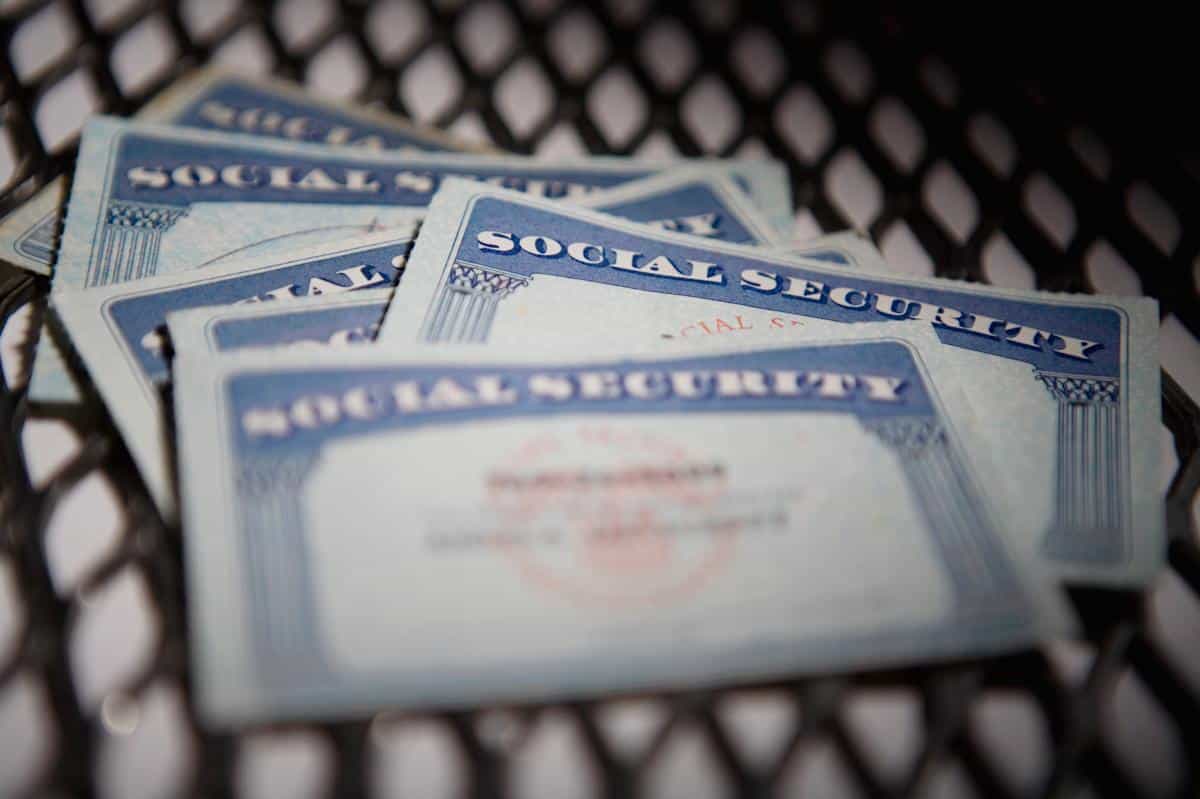
The Social Security Administration’s Office of the Inspector General has issued an urgent warning about a “sharp increase” in fraudulent emails impersonating the agency as scammers step up attempts to harvest personal and financial data from retirees and other beneficiaries. The warning comes as hundreds of thousands of Americans have sought information about the schemes, officials said, and regulators urged recipients to treat any unsolicited email that appears to come from Social Security with extreme caution.
Scammers are sending messages that mimic official Social Security language, logos and formatting to persuade recipients to click links or download attachments that lead to bogus websites or install malware. One recent phish claims to provide “information about the annual cost-of-living-adjustment” and directs recipients to a fake site that asks them to “update their information.” A similar campaign last year told people the SSA had “identified a potential error on your most recent report” and pushed a “Security Update Tool,” authorities said.
“These scam emails are designed to appear legitimate and often use official-looking language, logos, colors, and formatting to mislead recipients into clicking links or downloading attachments,” the OIG said in its notice. Once recipients follow the links, scammers can steal Social Security numbers, dates of birth, bank details or gain remote access to devices, the agency warned. The SSA reiterated that it will not send emails requesting personal information such as a date of birth or for recipients to confirm their Social Security number.
Officials gave straightforward steps for verifying whether a message is genuine: check that the sender’s address ends in “.gov,” never click links or open attachments in suspicious messages, and avoid replying to email solicitations. The safest way to manage Social Security matters online is to open a new browser window and go directly to ssa.gov/myaccount, rather than following links embedded in email. Those who receive requests for a personal visit should call the agency’s main number, 800-772-1213, to confirm an agent’s identity — the SSA says it will always notify beneficiaries by mail or phone before making a home visit.
The advisory also lists red flags to watch for: urgent demands for bank account information, offers to “safely” transfer funds on someone’s behalf, threats to suspend benefits or take immediate legal action unless a payment is made, and requests for one-time “security” payments. The Office of the Inspector General urged people who suspect they have been targeted to report the incident using the “Report Scams” button at oig.ssa.gov/report/, and to file complaints with the FBI’s Internet Crime Complaint Center (IC3). Victims who have already provided information or made payments are directed to the Federal Trade Commission for recovery steps.
Experts say the recent surge in Social Security impersonation attempts comes amid broader shifts in online identity and email practices that can make scams harder to spot. For instance, recent changes in Gmail’s username options and continued use of legacy aliases can complicate sender verification, increasing the risk that fraudsters will mask impersonating addresses. That context makes the OIG’s warning particularly timely, officials said, and underscores the need for users to adopt cautious habits when handling unsolicited communications about benefits or taxes.
With tax season and annual benefit notices prompting heavier online activity for many retirees, officials urged vigilance now. Anyone uncertain about a communication supposedly from Social Security should assume it is fraudulent until confirmed through official channels and should immediately report suspicious messages to the OIG and, where appropriate, to local law enforcement.