The Indiana Fever emerged from the WNBA expansion draft with their core intact, losing only two depth pieces as the Portland Fire selected Chloe Bibby and the Toronto Tempo took Kristy Wallace. With the key pieces — notably Caitlin Clark and Aliyah Boston — still under contract and Kelsey Mitchell showing no indication she will depart, general manager Amber Cox can enter free agency next month with a narrow, strategic focus.
Free agency opens April 12, and the early market has already taken some of the potential drama out of the equation. Several of the league’s marquee players — including Breanna Stewart, Sabrina Ionescu and A’ja Wilson — have announced plans to re-sign with their current clubs, reducing the likelihood of a blockbuster bidding war that could have reshaped rosters across the league. That stability makes it easier for teams like the Fever, who do not need another superstar, to concentrate on complementary role players.
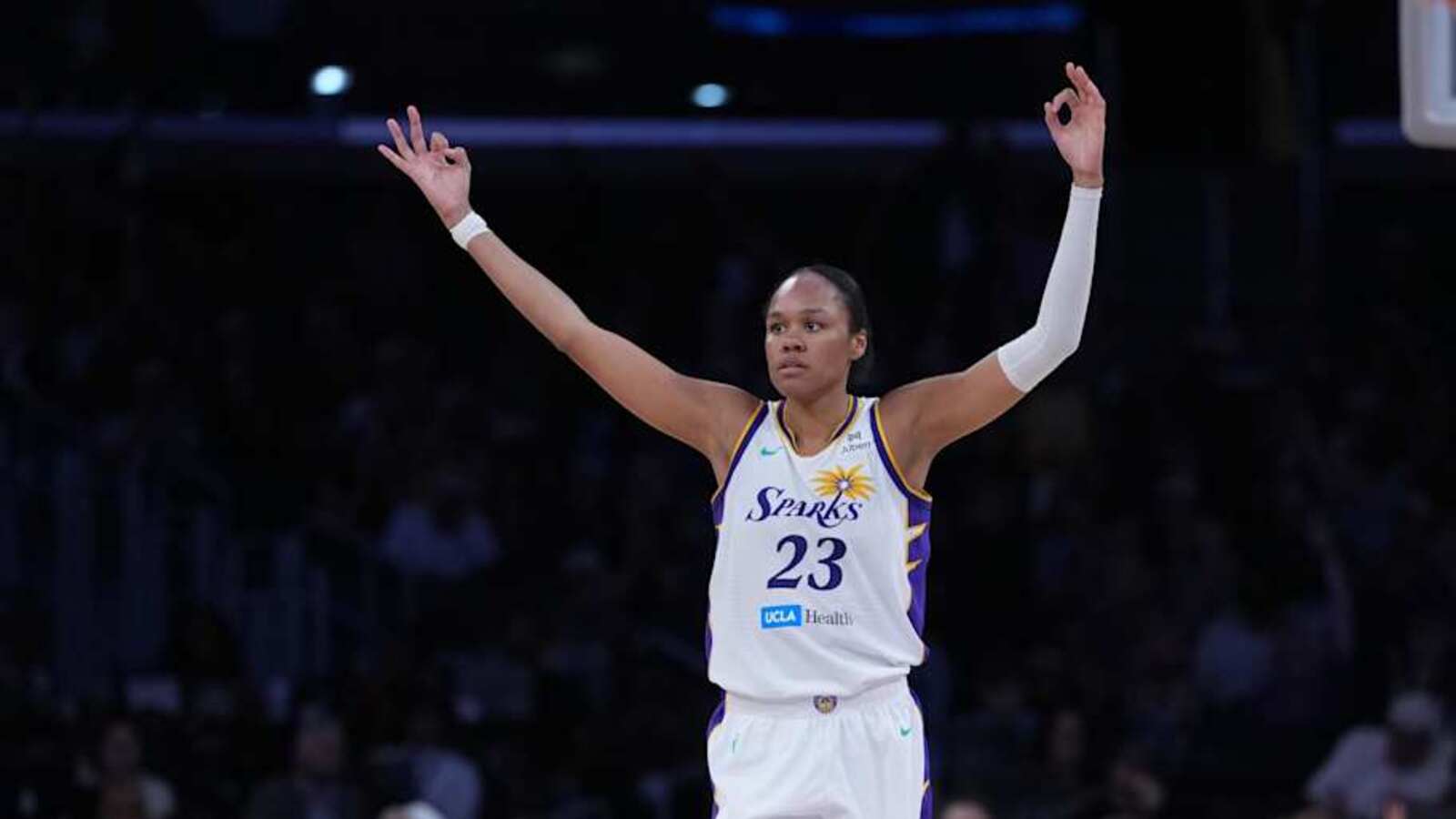
The incoming piece singled out Kennedy Burke as one name to watch for Indiana, reflecting a broader approach Cox appears likely to adopt: target experienced role players who can shore up defense, provide 3-point shooting and add rotation depth off the bench. Indiana’s priorities this offseason are less about chasing headline signings and more about assembling the right supporting cast around Clark and Boston — a twin core that will be expected to carry heavy offensive and defensive loads.
Off-court developments also shape the market this spring. A new collective bargaining agreement has lifted the WNBA salary cap, changing how teams deploy finite payroll resources and what they can afford in free agency. That altered financial landscape has encouraged many veterans to stay put while offering teams the flexibility to fill specialized needs. For the Fever, that likely translates into short-term deals aimed at role stability rather than long-term investments in another star.
Indiana’s conservative posture after the expansion draft contrasts with the restocking efforts of the Portland Fire and Toronto Tempo as they build inaugural rosters. The Fever’s front office must now balance the need to replace depth lost in the draft with preserving roster continuity for a squad centered on promising young talent and an established scoring presence. How Cox navigates limited cap space and targets a handful of veterans or two-way players will define the team’s outlook heading into training camp.
With the regular season scheduled to begin May 8, decisions made during the April free-agent period will quickly face the test of on-court chemistry. For now, the Fever enter the stretch with their headline trio intact and a clear offseason mandate: find role players who fit around the existing core rather than pursuing another superstar.