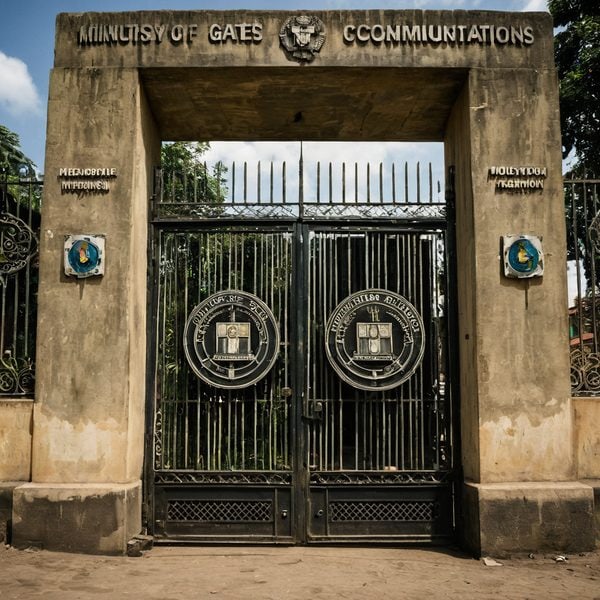
Congo will begin receiving migrants deported from the United States this month under a newly announced third‑country removals agreement, the Congolese government said Sunday, marking the latest African nation to accept people the US is sending to countries other than their homelands. The Congolese Ministry of Communications described the arrangement as temporary, said the United States would cover the logistical costs, and gave no details on the exact arrival dates or the number of people expected.
The ministry’s statement emphasized that the deal would come at "zero cost" to Congo and framed the move as reflecting the country’s "commitment to human dignity and international solidarity." It added that no automatic transfers are planned and that "each situation will be subject to individual review in accordance with the laws of the Republic and national security requirements," suggesting Congolese authorities will assess cases on arrival.
The announcement follows a broader push by the Trump administration to use third‑country removals as part of its immigration enforcement strategy. US officials have struck similar agreements with at least seven other African countries, including Eswatini, South Sudan and Equatorial Guinea, in recent months. According to a report from Democratic staff on the Senate Foreign Relations Committee, the administration has spent at least $40 million to deport roughly 300 migrants to countries other than their own.
Legal advocates and human rights groups have sharply criticized the program, arguing it shifts vulnerable migrants into jurisdictions with poor human rights records and repressive governments. A frequent concern is that some people included in third‑country transfers have active protection orders from US immigration judges who found they would face persecution or other serious harm if returned to their home countries. Critics say routing such migrants to third countries may circumvent protections intended by US asylum and immigration law.
Congo’s pledge of individual case reviews appears aimed at addressing those concerns, but the ministry did not specify the legal standard or procedure it will use when assessing incoming migrants. It also did not state whether arrivals would be offered any form of temporary status, integration support or the option to seek asylum in Congo, leaving unanswered questions about their immediate legal and humanitarian situation.
The expansion of third‑country removals raises diplomatic and logistical issues for both Washington and partner capitals. US restrictions on trade, aid and migration under the Trump administration have already strained ties with some African governments, and the financial and political incentive structures behind such agreements—Washington pays for transport and logistics while host countries assume custody—have drawn scrutiny. For now, Congo’s announcement makes it the latest state enlisted in a controversial US policy whose human rights, legal and foreign‑policy ramifications remain contested.