
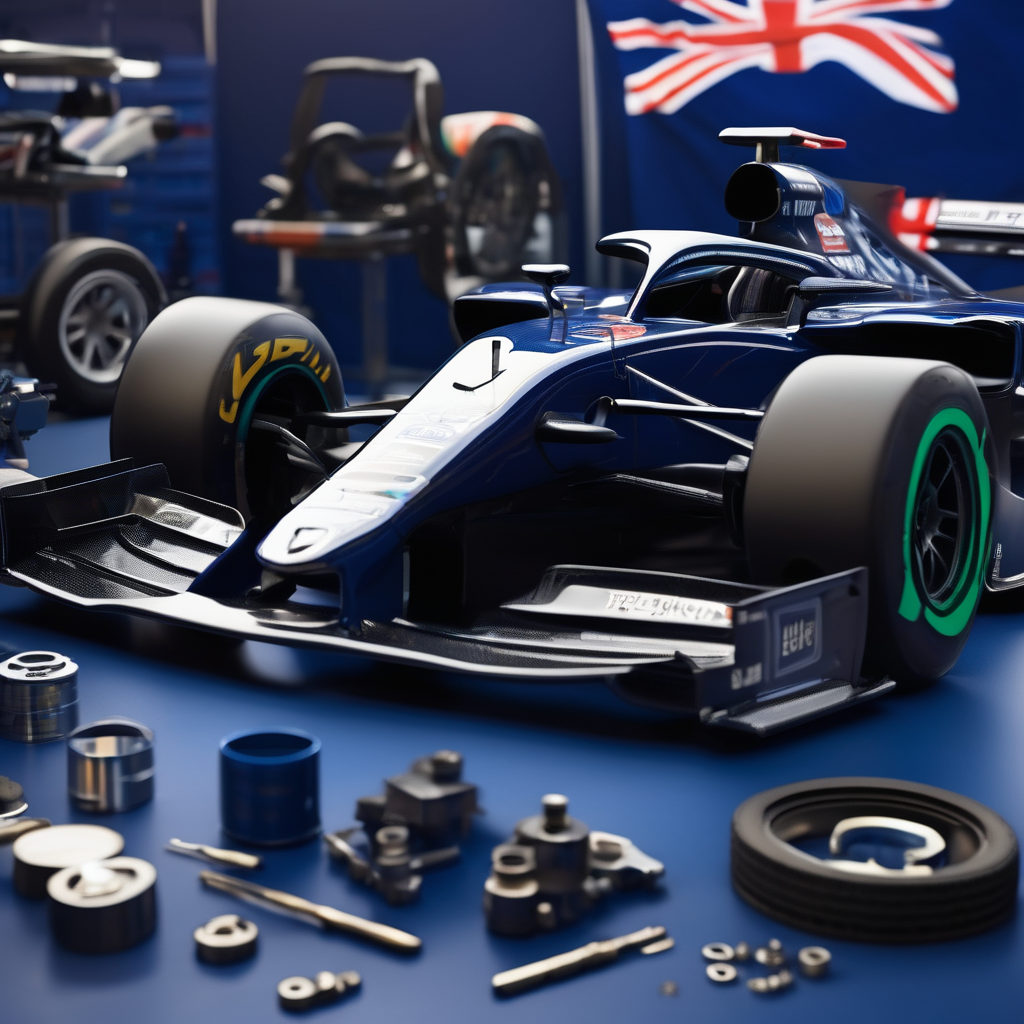
Williams Racing has faced significant challenges ahead of the 2026 Formula 1 season, with team principal James Vowles admitting to a frustrating delay in their car build. This marks the third time in seven seasons that the team has been late in completing its car, echoing issues from previous years where the team struggled with reliability and performance during pre-season tests.
In 2019, Williams missed considerable pre-season testing, and although last year’s car made it to testing, it was overweight and posed issues in spare parts availability and development timelines. This year, the team lost three crucial days of track testing, resulting in a staggering deficit of about 2000 kilometers compared to its competitors. As a result, there are concerns regarding whether the car will again be overweight and face performance compromises as the season unfolds.
Vowles acknowledged that the team encountered setbacks with the FW48 build related to crash tests and noted that the complexity of the new car has increased significantly. He believes the challenges stem from arduous design goals, which are essential for the team’s aspiration to transform into a top-tier organization. “One of the tasks that has been on my shoulders for a few years is making sure we transform this business at the absolute maximum rate possible,” Vowles explained.
Despite the recent struggles, Williams demonstrated a marked improvement in 2025 by securing two podium finishes and finishing fifth in the constructors’ championship. However, the ongoing difficulties with car builds suggest that this ambition for rapid progress comes at a cost.
Vowles has described the new car’s complexity as three times greater than previous builds, which has caused production delays. He admits to misjudging the team’s capacity to meet these ambitious targets. “This car has been developed in a way that is not what we were doing two years ago,” he noted, underscoring the need for better scaling of operations to cope with the innovative demands of the new design.
Notably, Vowles has been candid about the issues the team is facing. His commitment to transparency is commendable, especially as the challenges could lead to significant ramifications throughout the upcoming season. However, he also pointed out the importance of pushing the envelope in design, arguing that merely meeting conservative benchmarks would hinder the team’s development.
While Vowles has focused on aggressive decision-making to harness as much performance as possible from the car, he has also recognized the need for improved agility within the team’s operational systems. He stressed that the organization still relies heavily on its personnel to elevate performance levels, pointing to areas where improvements in efficiency are necessary.
Moving forward, the foundation laid in 2025 gives Williams a glimmer of hope as they aim to capitalize on past accomplishments. With time still ahead of the 2026 season, there remains potential for the team to refine its processes and emerge stronger, ultimately proving that the current pains will yield greater gains in the long run.