
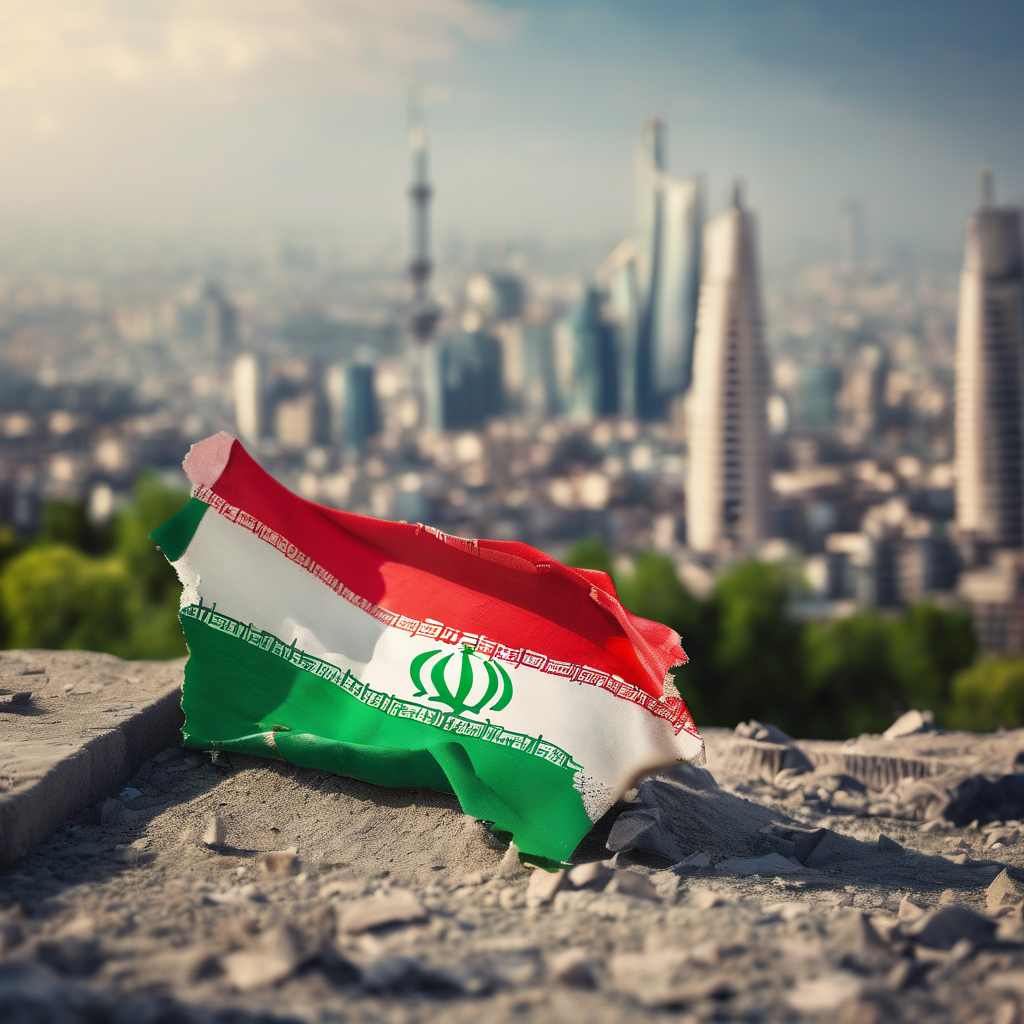
Protests across Iran have intensified dramatically since late last month, catalyzed by merchants in Tehran and now manifesting as widespread demonstrations and strikes in various cities. In Abdanan, demonstrators took to the streets on Tuesday evening demanding the death of Ayatollah Ali Khamenei, the country’s supreme leader. The following night, in Mashhad, crowds tore down a large flag symbolizing the Islamic Republic. On Thursday, protests surged after former crown prince Reza Pahlavi urged citizens to voice their dissent.
As demonstrations gained momentum, numerous businesses shut their doors, halting much of Iran’s already struggling economy. Security forces responded with force, leading to reports of violent clashes, arrests, and fatalities, with human rights organizations estimating casualties between 27 and 36, including six children.
Militarized responses from security forces have been evident, with visuals depicting their occasional inability to handle the large crowds. In a notable shift, despite attempts by the government to implement minor economic reforms and offer meager financial assistance to families, public unrest shows no signs of abating. Protesters have expressed that their basic demands have been ignored, fueling anger among the population.
Omid, a Tehran carpet store owner, emphasized the lack of government legitimacy regarding even basic citizen needs, while large gatherings across the country echoed themes reminiscent of the 2009 Green Movement. On Thursday night, demonstrators filled the streets of major cities like Tehran, Mashhad, and Isfahan, reflecting a unity among the populace not seen in recent protests.
The internet monitoring organization NetBlocks reported a nationwide internet blackout on Thursday, reminiscent of previous governmental tactics during civil unrest aimed at obstructing information dissemination. Eyewitness accounts highlighted sporadic violence from plainclothes agents, suggesting a tense atmosphere amid the protests.
Cities like Semnan, which had experienced little unrest during the protests of 2022, now saw gatherings with chants in favor of the deposed monarchy, signifying a broader discontent among citizens. Shop closures extended beyond urban centers to include Kurdish-populated areas, with a significant percentage of businesses in places like Semnan and Tehran opting to halt operations.
Food vendors and local residents have confirmed that the ongoing strikes echo a collective sentiment that economic stability is crumbling, with vendors stating their resolve amid the dire economic circumstances. This recent wave of protests is notably marked by widespread economic shutdowns, a stark contrast to previous incidents in Iran’s modern history of civil unrest.
As authorities continue to face resistance, both supporters and critics of the administration remain engaged in dialogue about the protest movements. Some Iranians view external support, including statements from former U.S. President Donald Trump, as a motivating factor for their actions. Text messages from the government threatening individuals participating in or supporting protests signal the heightened risks faced by dissenters.
The mounting tensions and reactions surrounding these protests highlight a significant moment in Iran’s political landscape, where many Iranians are rallying together to seek change. The aspirations for reform appear to resonate deeply within different communities across the nation, fostering hope that greater solidarity may lead to meaningful outcomes in the future.