
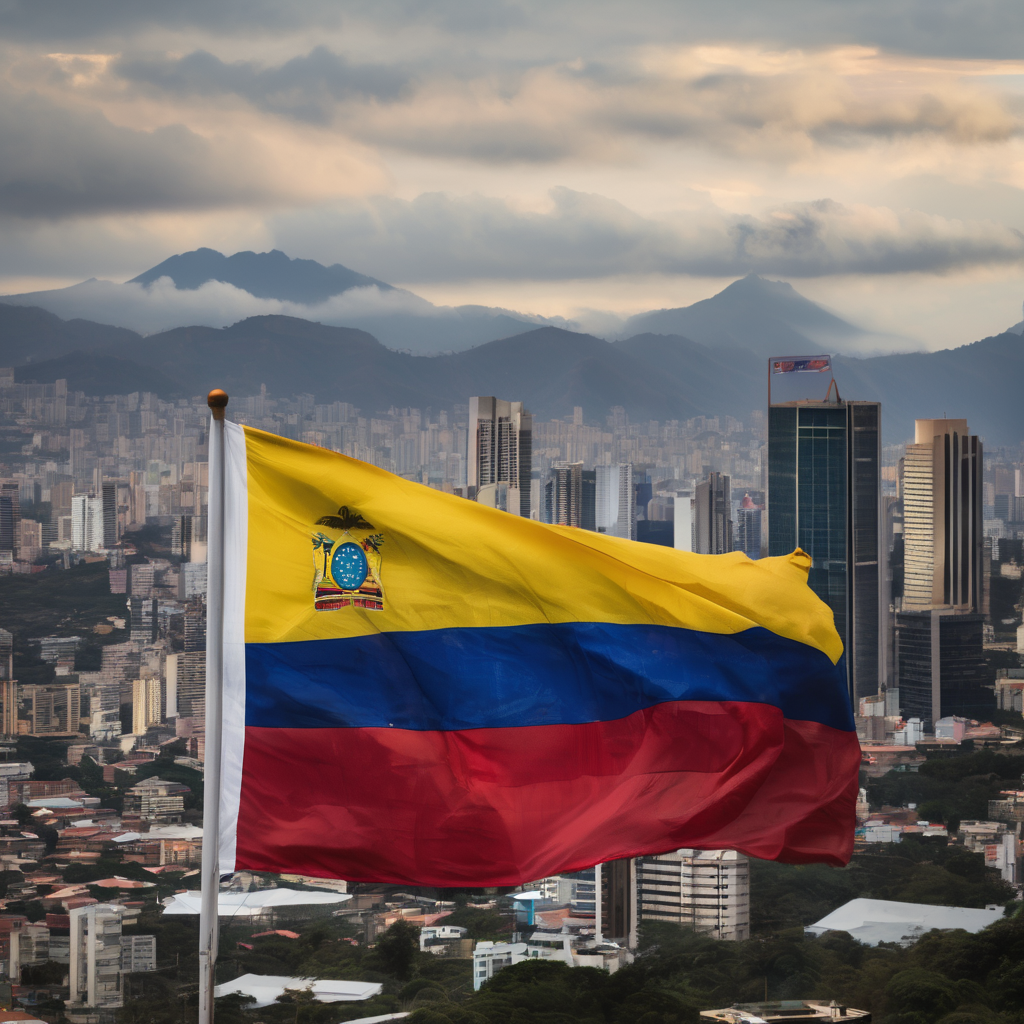
The recent upheaval in Venezuela has sent shockwaves across the globe as the country appears to be on the brink of liberation from Nicolás Maduro’s authoritarian regime. For many, including residents of communities like Doral, this moment brings hope for a future free from oppression. However, the potential consequences of Maduro’s ousting raise critical questions about the prospects for a peaceful transition to civilian-led governance.
The Trump administration’s approach has drawn sharp criticism, with accusations of misleading the public regarding the rationale for intervention in Venezuela. Allegations of weapons of mass destruction, extrajudicial actions, and dubious claims surrounding drug trafficking have sparked concerns about a potential pretext for military action, bypassing Congressional approval and public dissent. This dynamic illustrates a troubling trend reflecting the administration’s flouting of the rule of law.
Amidst this backdrop, the narrative surrounding Maduro’s arrest is complex. While it may be viewed as a victory by many, skepticism lingers regarding the actual motives behind U.S. involvement in Venezuela. Assertions that the U.S. is acting in the name of human rights seem disingenuous, particularly considering the revocation of Temporary Protected Status for Venezuelan refugees seeking safety in the U.S. Such actions suggest that the primary interest lies in the country’s resources, particularly oil, rather than genuine concern for the Venezuelan populace.
The history of U.S. interventions in South America serves as a cautionary tale. Previous attempts to impose change have often resulted in devastating consequences for the very people they purport to assist. The possibility of a new regime being installed, driven by imperial interests rather than the will of the Venezuelan people, is a genuine concern.
As the situation in Venezuela evolves, it is imperative that the voices of the Venezuelan people remain at the forefront. They deserve the right to define their own democracy and reclaim their dignity without external interference. Advocating for justice and accountability from U.S. political leaders is crucial to ensuring that past mistakes are not repeated.
The hope for a stable and democratic Venezuela underscores the necessity of empathy and vigilance in U.S. foreign policy, ensuring that interventions serve the true interests of the nations they affect rather than the ambitions of powerful elites. With the eyes of the world on Venezuela, the fight for self-determination continues.