
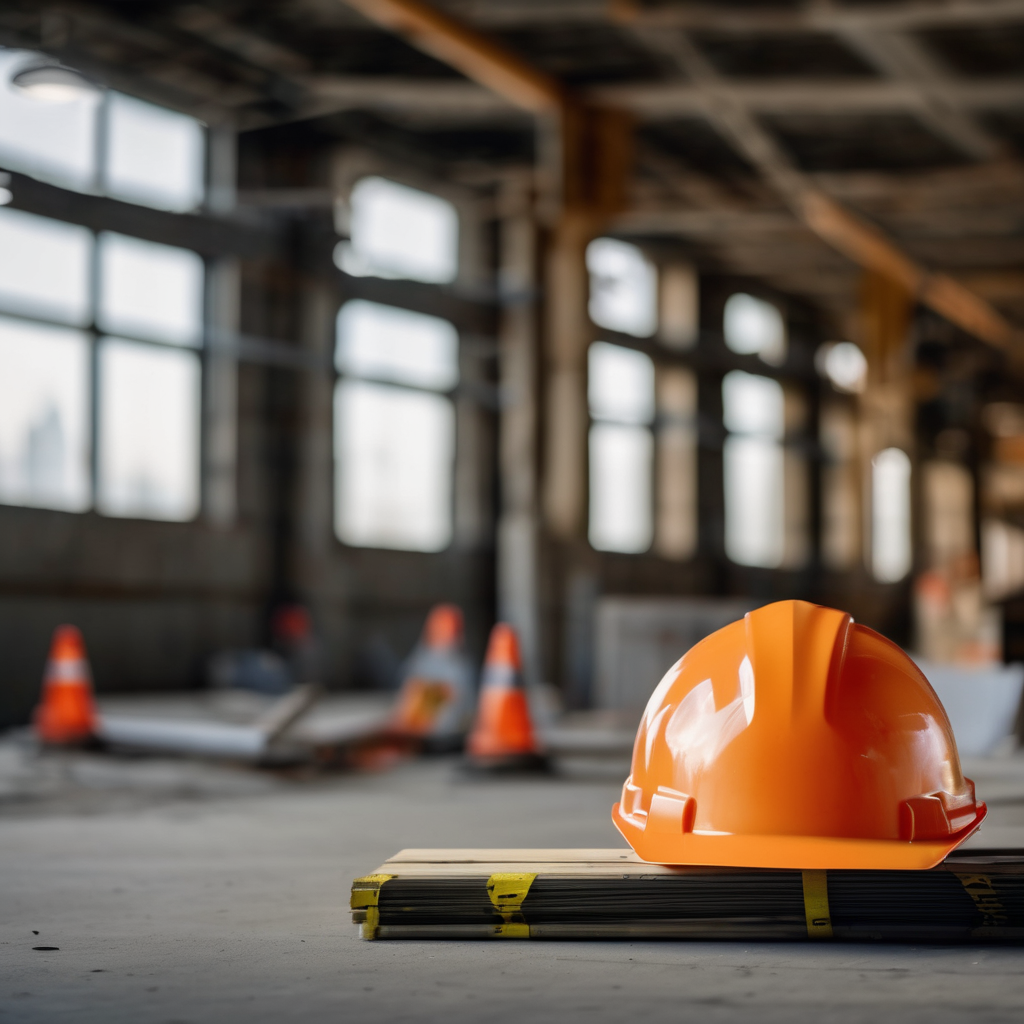
Construction safety groups are sounding the alarm over a potential rule change by the Occupational Safety and Health Administration (OSHA) that could repeal current illumination requirements for construction sites. Industry leaders warn that such a move may increase the number of workplace accidents, particularly slips, trips, and falls, while simultaneously exposing contractors to higher insurance costs and negligence claims.
This warning comes amid a broader discussion surrounding workplace safety, further underscored by findings from recent OSHA investigations into a grain processing facility operated by Archer Daniels Midland (ADM) in Nebraska. The facility recently experienced a grain dust explosion, which brought to light significant safety oversights and highlighted the dire consequences of relaxed safety regulations.
A coalition of construction industry associations, led by the Associated General Contractors (AGC) of America, reached out to OSHA’s assistant secretary of labor, David Keeling, to express their concerns about repealing the illumination standards. The groups emphasized that inadequate lighting increases the likelihood of accidents, as noted by statistics indicating that slips, trips, and falls contribute to billions of dollars in losses for American businesses each year. In fact, slipping injuries alone accounted for an average of 371 worker fatalities annually over the past decade.
Despite OSHA’s rationale for the rule change—citing the infrequency of citations related to improper lighting—the coalition argues that the current standards are effective precisely because they are well-defined. Divesting from these standards may create confusion over which regulations OSHA inspectors would apply, leaving employers in a precarious position where they lack clarity on safety enforcement.
Moreover, the coalition warned that the absence of codified lighting standards could lead to disparate evaluations of what constitutes “sufficient” illumination in various work environments, exacerbating risks for workers. The possibility of subjective assessments could open the door for increased negligence claims from injured employees.
In a related incident, OSHA’s investigation of ADM’s Fremont grain plant revealed troubling safety practices that resulted in a catastrophic explosion. Despite significant dust accumulation exceeding federal safety limits, plant managers were largely unaware of the relevant regulations. Interviews exposed a startling lack of enforcement regarding safety protocols, which could have prevented the conditions that led to the explosion.
The revelations from both the construction safety groups and the ADM incident underscore a critical reality: the importance of clear, enforceable safety standards cannot be overstated. They serve as essential protections for workers and help maintain accountability among employers. With the stakes so high—encompassing both human lives and the integrity of workplace safety regulations—industry stakeholders are hopeful that OSHA will reconsider its proposed changes and prioritize the implementation of rigorous safety measures.