
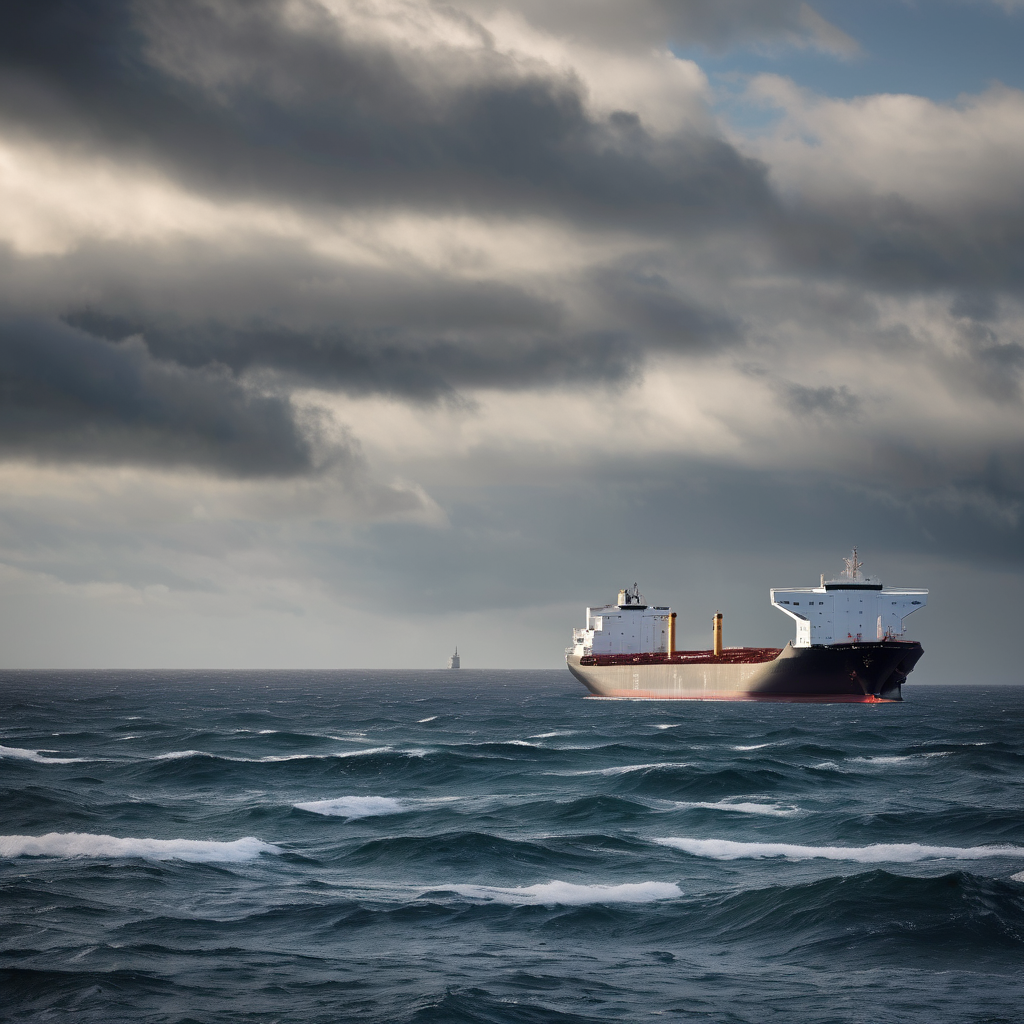
The U.S. government has escalated its enforcement against oil shipments to and from Venezuela, targeting over 30 vessels sanctioned for conducting business in the country. This intensification follows the recent seizure of a supertanker filled with Venezuelan crude oil intended for export, a move announced by President Donald Trump. This event marks a significant moment in the U.S. sanctions regime, being the first instance of intercepting an oil cargo from Venezuela since the sanctions were imposed in 2019.
The seizure reflects the Trump administration’s renewed commitment to applying pressure on President Nicolas Maduro’s government, which faces mounting challenges. It has sparked a wave of uncertainty among shipping companies, operators, and vessel owners, many of whom are now reconsidering their operations in Venezuelan waters. The ramifications are being felt throughout the shipping industry, prompting many to contemplate delays in their activities.
Experts suggest that the U.S. focus on Venezuelan oil exports could lead to immediate disruptions and deter vessel owners from participating in future oil transport from the country. In the past, the U.S. largely tolerated oil exports from Venezuela, which were often carried out through intermediaries using third-party vessels. The current crackdown indicates a significant shift in strategy.
This situation highlights the intricate dynamics at play in international oil markets, especially against a backdrop of rising geopolitical tensions. While enforcement actions may lead to temporary trade route disruptions, they convey a firm stance from the U.S. government against practices that breach international sanctions. As the situation evolves, the shipping industry and global oil markets will likely continue to feel the effects of these developments.