
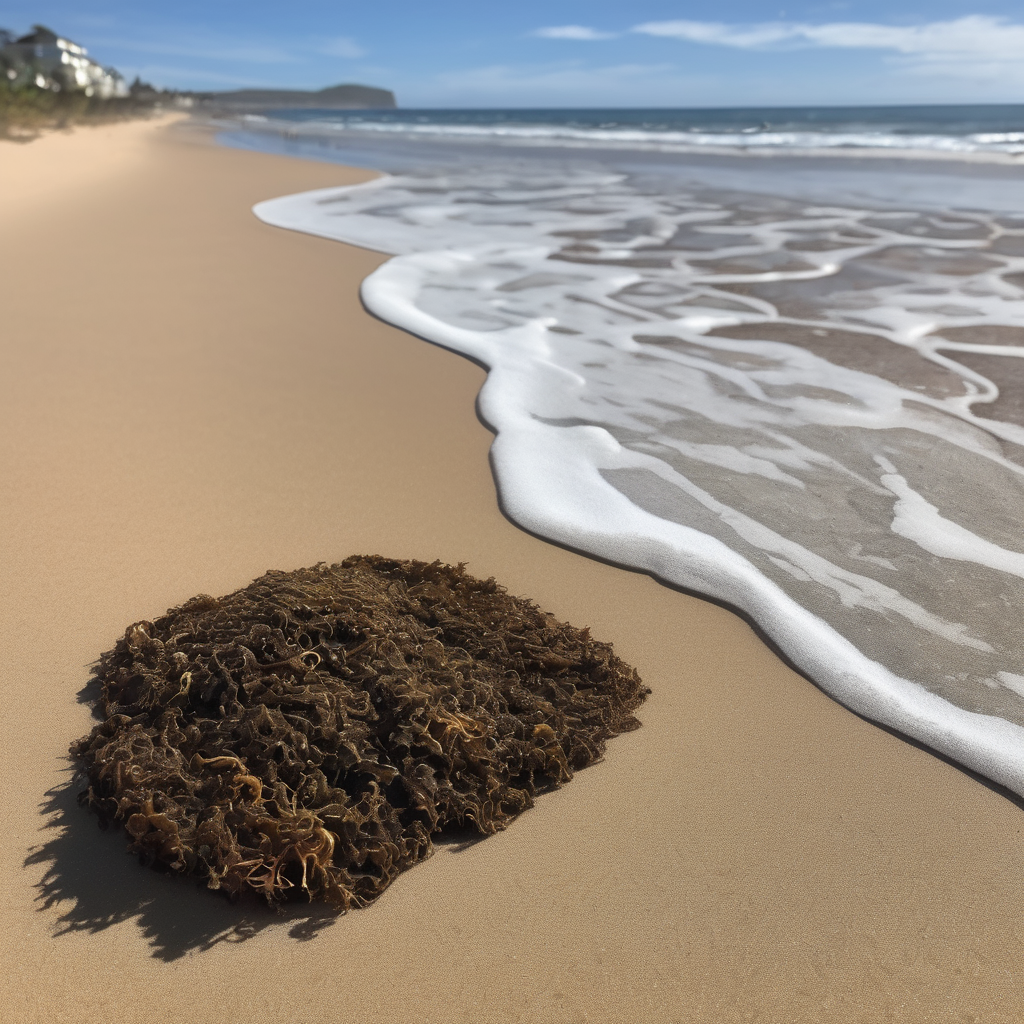
Travelers looking forward to a winter getaway in the Caribbean might need to reconsider their plans as an unprecedented surge of Sargassum seaweed has disrupted expectations this January. Traditionally, visitors pay premium prices for what is believed to be crystal-clear waters during this season, but recent events have turned that notion upside down.
On January 8, a significant “atypical surge” dumped approximately 25 tons of Sargassum onto Playa Mamitas in Playa del Carmen, one of the region’s most popular beaches. This unexpected influx of the brown macro-algae typically associated with the summer months has raised concerns amongst holidaymakers who anticipate pristine beach conditions in the winter. The cleanup crews from the Zofemat have been pressed into action to manage the situation.
Similar reports have emerged from Tulum, indicating that fresh seaweed masses are washing ashore, while Cancun is facing moderate levels of the algae, prompting a vigilance alert in the Hotel Zone. The currents are shifting these sizeable mats of algae northward, impacting other popular destinations.
Punta Cana in the Dominican Republic has also been placed on high alert as a large mat of Sargassum in the Central Atlantic heads in its direction. Beaches there, including Bavaro and Cabeza de Toro, primarily face east and are likely to be affected by incoming seaweed. Scientists are projecting that 2026 could see a significant increase in these blooms, arriving earlier in the season than in previous years.
Sargassum, while vital in its natural habitat, becomes problematic when it nourishes itself on the shores. The decaying algae releases hydrogen sulfide, producing an unpleasant odor akin to rotten eggs. Furthermore, it creates an unsightly sea that can detract from the clear blue waters tourists expect, contributing to irritations from tiny organisms trapped within the mats.
For travelers currently booked in the Riviera Maya or Punta Cana, there is still hope for an enjoyable trip. Resort amenities, particularly pools, provide perfect alternatives for beach-goers. The robust cleanup efforts in Cancun and surrounding areas increase the chances that beaches will be restored quickly.
Should conditions fail to improve, exploring the region’s cenotes—natural freshwater sinkholes—presents a refreshing alternative that guarantees algae-free waters.
With the travel landscape face a shift regarding expectations in beach conditions, it is crucial that visitors remain adaptable. Monitoring real-time beach conditions via live cams can provide an immediate sense of clarity while avoiding outdated photos on social media. The stormy Sargassum situation may indeed change plans for the near future, but quick thinking and readiness to pivot could lead to unforgettable experiences even amidst the challenges.