
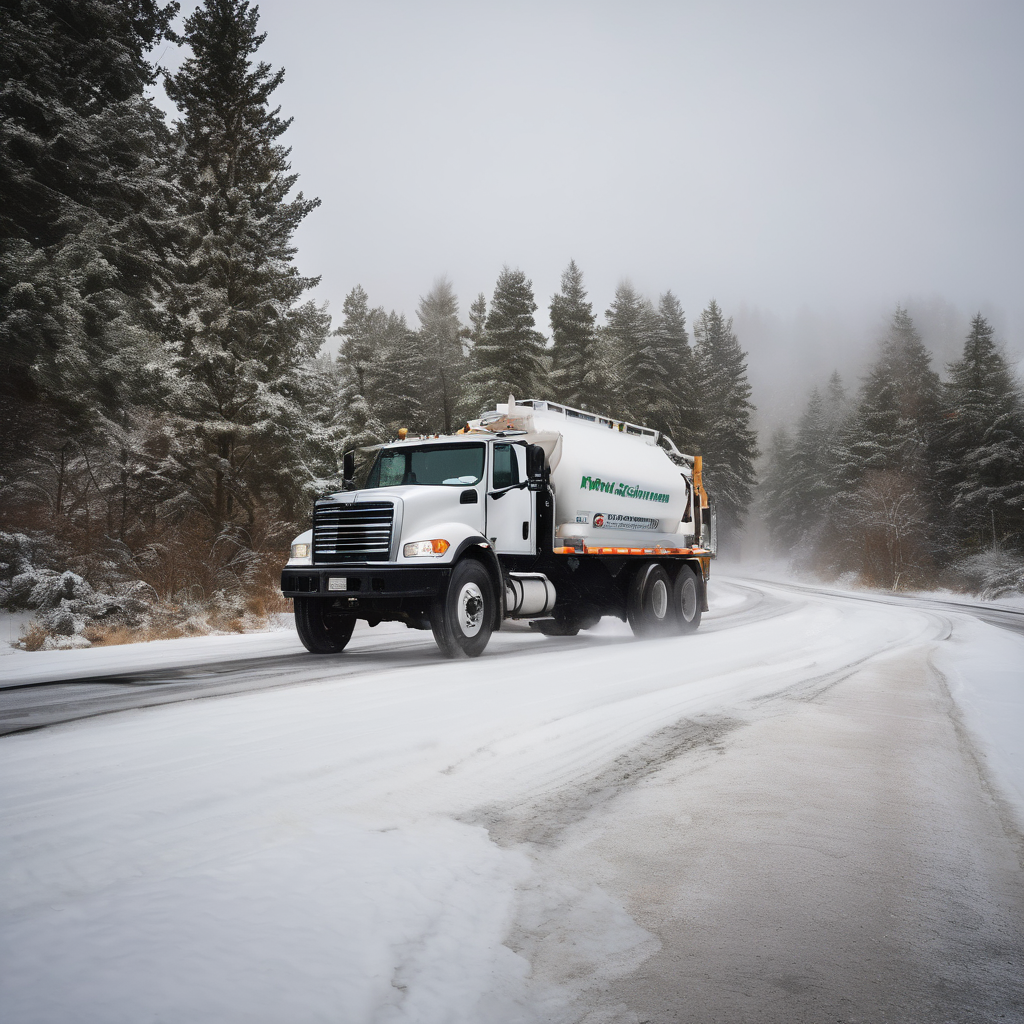
The City of Tulsa is taking proactive measures in anticipation of light winter weather expected on Monday. Forecasts currently suggest that snowfall and winter precipitation totals will be manageable, but city crews are set to report for duty at midnight to treat elevated surfaces like bridges, hills, and overpasses with a brine solution of salt and water to help prevent freezing.
Residents are urged to remain vigilant and prepared, as fluctuations in weather conditions can impact travel. The city has been gearing up for the 2025-26 winter season since late summer, ensuring that equipment, personnel, and supplies of salt and brine are fully stocked and ready to respond at any sign of snow or ice.
The City of Tulsa holds the responsibility for clearing snow and ice off major thoroughfares, including the Gilcrease Expressway (with the exception of the Turnpike section), L. L. Tisdale Expressway, and all arterial streets. Other portions of the highway network are overseen by the Oklahoma Department of Transportation.
When winter weather strikes, the city aims to make expressways and arterial streets safe and accessible as swiftly as possible. The available resources include a fleet of 66 trucks equipped with salt spreaders, 53 of which are fitted with snowplows, alongside 4 trucks that feature liquid applicator systems for brine. Additionally, there are 7 4×4 pickup trucks with snowplows, 2 motor graders to act as plows, and around 9,000 tons of salt on hand (with more scheduled for delivery). The city also utilizes two brine mixing systems capable of producing 76,600 gallons of salt brine, along with two tanks containing 3,000 gallons of 32 percent calcium chloride. A dedicated workforce of 210 employees, including drivers and support staff, is assigned to 36 specific routes that cover approximately 1,770 lane miles, which is roughly equal to the distance from Tulsa to San Francisco. The routes are prioritized based on traffic volume, first focusing on key streets before addressing residential areas.
During winter weather events, the city’s primary focus is to treat elevated surfaces and arterial streets first. Once these are clear, efforts will move towards residential and collector streets, especially those near hospitals, schools, and steep hills.
For those requiring a warm and safe refuge during the colder temperatures, the City of Tulsa has several warming stations and winter weather shelters available to the public.
This diligent preparedness demonstrates the City of Tulsa’s commitment to ensuring the safety and mobility of its residents during the winter months, fostering a spirit of community resilience.