
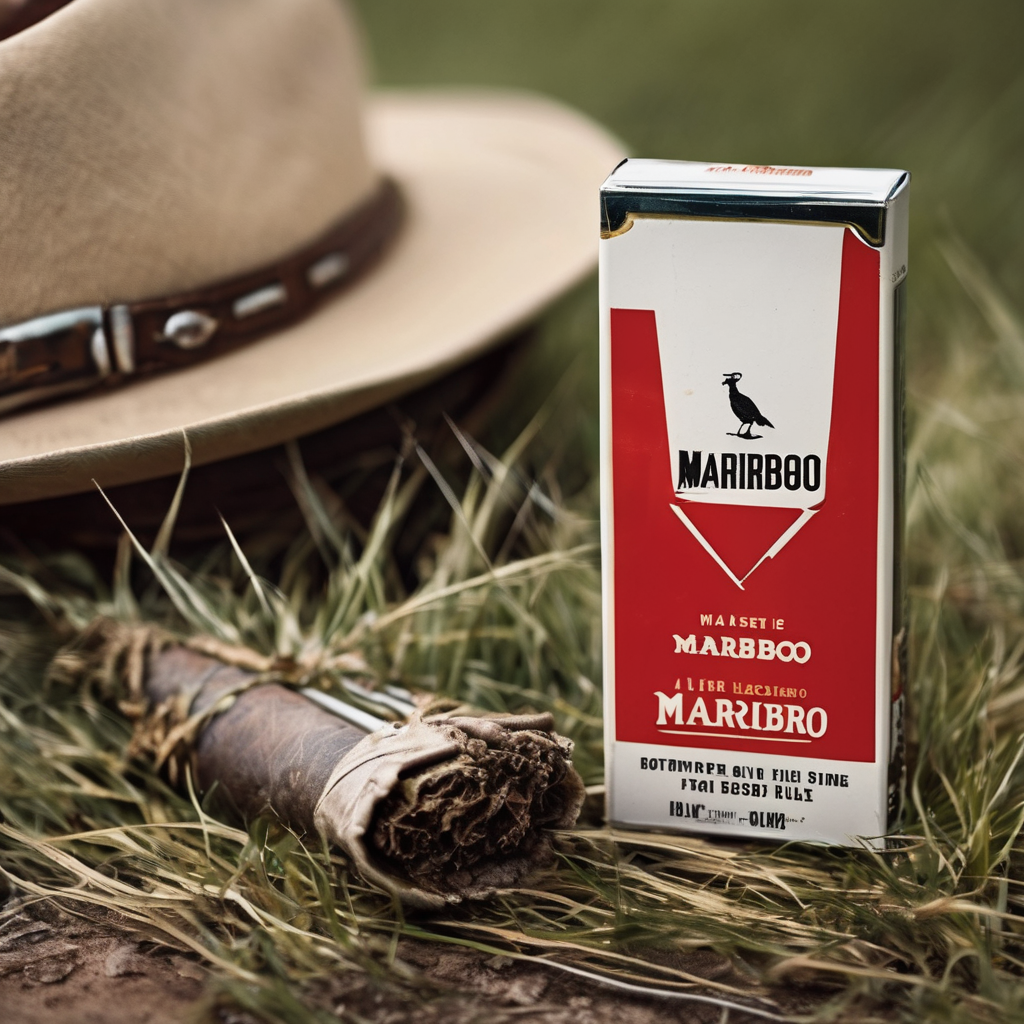
In a captivating reflection on American culture and its ties to personal history, Seattle Seahawks quarterback Sam Darnold has emerged as a figure steeped in a legacy that harks back to the mythos of the Marlboro Man. Darnold’s middle name, Richard, is a tribute to his grandfather, Dick Hammer, a celebrated consistent symbol of rugged masculinity and American spirit in the 1970s. Hammer not only portrayed the Marlboro Man but also had a background as an Olympic volleyball player, firefighter, and actor, adding layers to his emblematic persona.
This rich family heritage invites a wave of nostalgia, raising a hypothetical situation that fans now lament: the missed opportunity for a Dick Hammer III to grace the NFL landscape. As Darnold has navigated skepticism throughout his career—often ridiculed for perceived flaws on the field—the narrative shifts, suggesting that perhaps the weight of his lineage has served to transcend mere athletic performance.
Darnold’s struggles have drawn comparisons to a haunting connection with a glorified past, as he embodies the essence of a lineage that champions confidence and defiance. Interestingly, the ongoing conversation drifts toward a broader cultural commentary, particularly around the ritualistic aspects of smoking and how it has evolved—or devolved—in modern America.
The article reflects on how cigarettes once served as a cultural touchstone, forging communal bonds without necessitating formal platforms or invitations. The act of sharing a cigarette, once an emblem of freedom, connects individuals through shared moments, symbolizing a time when interactions were spontaneous and unscripted. However, this bond has faded as society has replaced those authentic experiences with digital distractions and vapes that mask the ritual significance of smoking.
The narrative paints a picture of an America that has strayed from its roots, suggesting that individuals today lack the informal spaces where genuine community could flourish. The collective reflection on Darnold’s heritage, intertwined with these broader themes, signals a longing for a return to simpler, more genuine interactions reminiscent of what America once was.
With the Seahawks and the hopes of their fans looking forward to a promising future, the deep-seated hope resonates that perhaps Darnold, with the spirit of his grandfather behind him, can help ignite a revival—both in his career and in the essence of genuine community interactions that reflect America’s rich cultural tapestry. As this season unfolds, all eyes will be on Sam Darnold, and the potential redemptive arc of a legacy is not just a personal narrative but a reflection of a collective longing for restoration in a world that seems to have lost its way.