
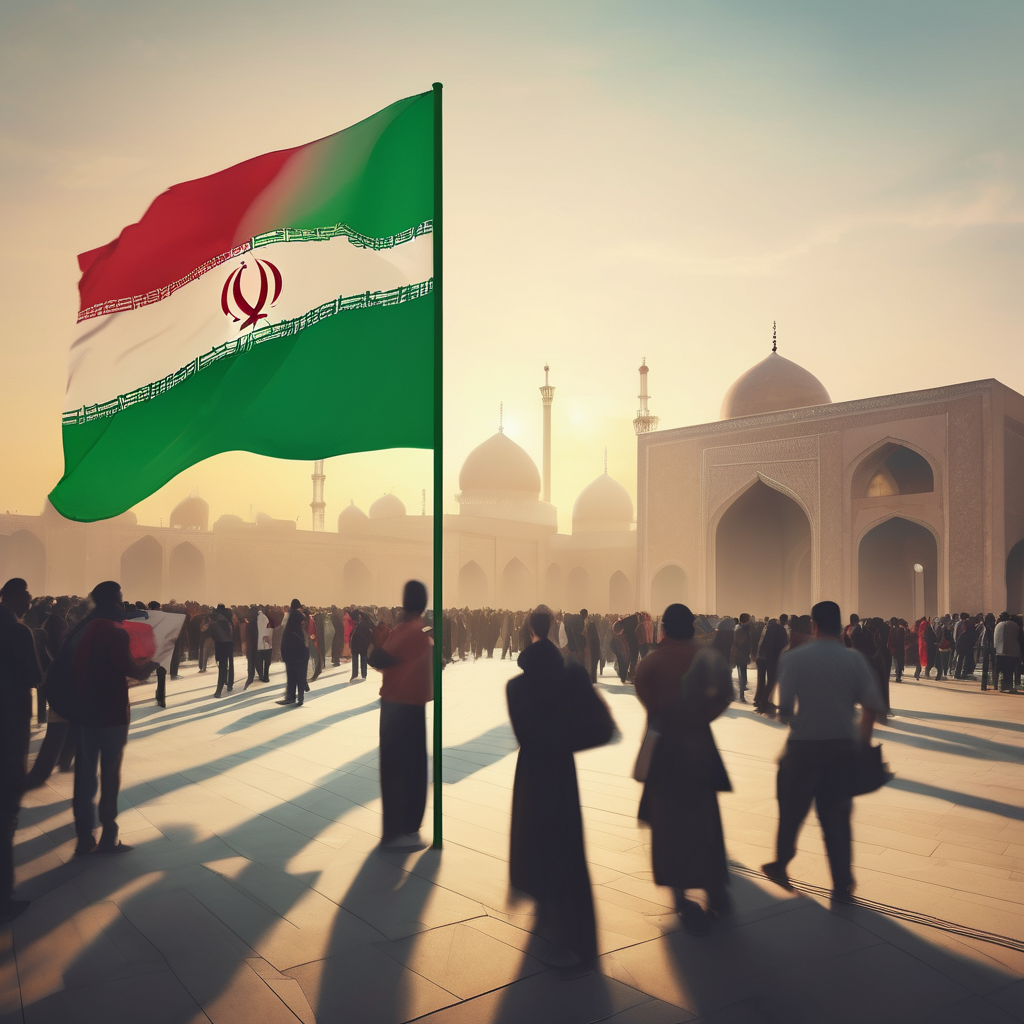
Reza Pahlavi, the exiled crown prince of Iran, is emerging as a significant figure amidst the ongoing nationwide protests against the Islamic Republic. These demonstrations, which have escalated over the past two weeks, have resulted in at least 116 deaths and left over 2,600 individuals detained, according to the U.S.-based Human Rights Activists News Agency (HRANA). Pahlavi, the son of the last Shah of Iran, has been vocal in his support for the protesters, urging them to continue their demonstrations.
The protests were sparked by a severe economic crisis, highlighted by the collapse of the national currency, the rial, which is currently valued at over 1.4 million to the U.S. dollar and has halved in value since September. This economic turmoil has driven public discontent, culminating in direct opposition to the Iranian government. Officials have responded with a crackdown on dissent. The country’s attorney general declared that those participating in the protests would be labeled “enemies of God,” facing severe consequences, including the death penalty for anyone perceived as supporting the rioters.
In light of the escalating tensions, Pahlavi has utilized social media to rally support for the demonstrators. He has encouraged them to reclaim public spaces by displaying historical symbols from the time of his father’s reign. Over the decades, Pahlavi has lived in exile, having left Iran nearly 50 years ago, just before the Iranian Revolution swept away the monarchy. While he aims to position himself as a potential leader for a future Iran, his return to the political arena has fostered debate over what a post-theocracy Iran might look like, particularly regarding the idea of a constitutional monarchy.
Support for Pahlavi remains divided within Iran. While some protesters have expressed a longing for the pre-revolutionary era, it is unclear if this sentiment translates to direct support for Pahlavi himself or a broader nostalgia for a different governance approach. His endorsement of Israel has drawn criticism among Iranians, particularly in the wake of recent conflicts involving the nation.
Despite the challenges and controversies surrounding his involvement, Pahlavi stands as a symbol of a potential alternative to Iran’s current leadership, advocating for dialogue and reform while deferring the ultimate decision on the country’s future to the Iranian people. This ongoing struggle highlights the complexities of Iran’s socio-political landscape and the quest for freedom and reform among its citizens.