
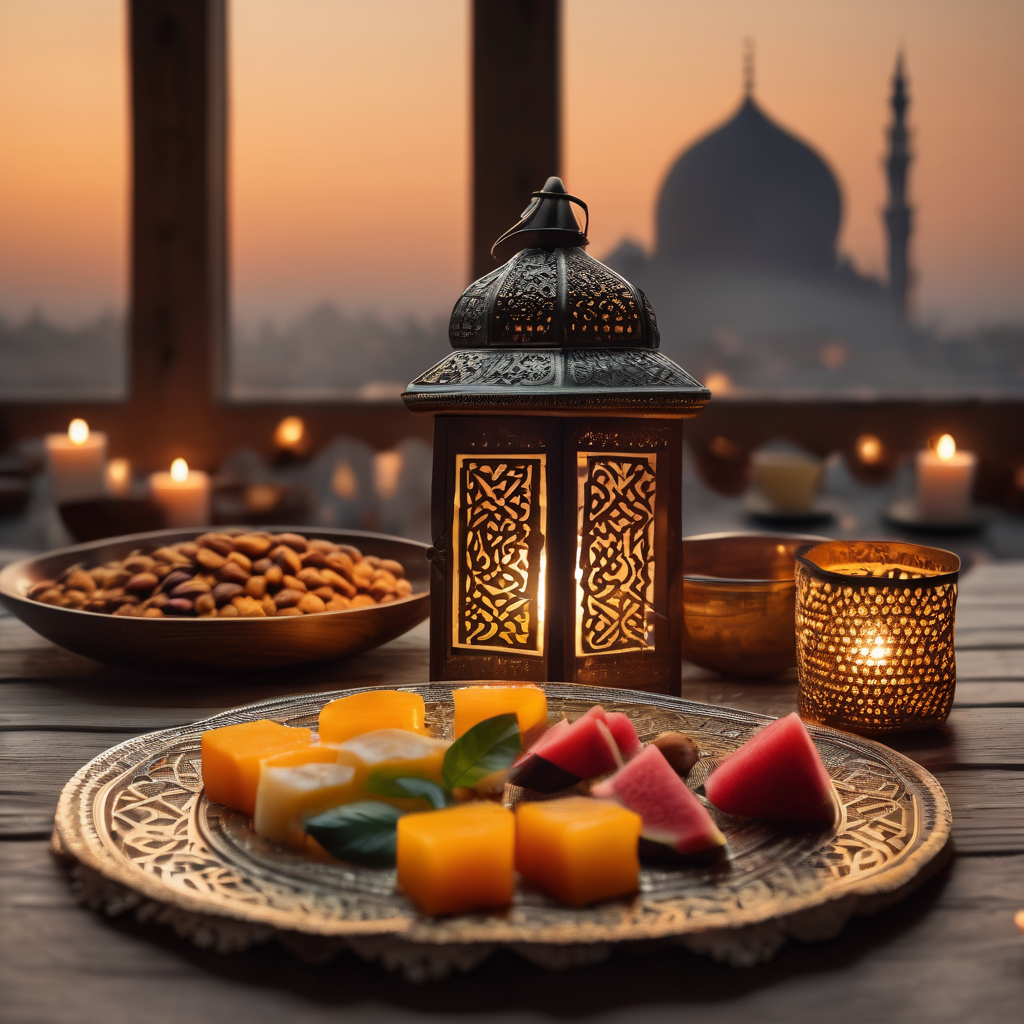
Ramadan, the ninth month of the Islamic lunar calendar, is a significant period of fasting, reflection, and community for Muslims around the world. During this holy month, adherents fast from dawn until sunset, refraining from eating and drinking, and are only permitted to indulge in meals before sunrise and after sunset.
This year, Ramadan is set to begin on the evening of February 17, 2026, and conclude on the evening of March 18, 2026. The duration of fasting typically spans 29 to 30 days, depending on the lunar cycle, as outlined by various Islamic organizations.
When evening falls, Muslims often partake in iftar, a festive meal that traditionally starts with dates, apricots, and either water or sweetened milk. To maintain energy throughout the fasting period, it is encouraged to consume a balanced diet consisting of whole grains, vegetables, fruits, lean proteins, and healthy fats. Foods like whole grain cereals, rice, fresh fruits, yogurt, eggs, and nuts are all advised to help nourish the body after a long day of fasting.
Staying hydrated during the night is also crucial; however, it is best to avoid drinking excessive amounts of water at once, as this can disrupt the body’s electrolyte balance. Additionally, during Ramadan, Muslims should steer clear of overly sweet, fried, or fatty foods, as well as dehydrating items. This includes fried snacks like potato samosas and salty foods, such as pickles. Avoiding caffeine is also essential, as it can lead to dehydration.
Ramadan serves not only as a time of spiritual reflection but also reinforces the values of patience, discipline, and community. As millions engage in prayer, reading the Qur’an, and coming together for communal activities, this holy month highlights the unity and solidarity among Muslims, fostering a sense of hope and well-being.