
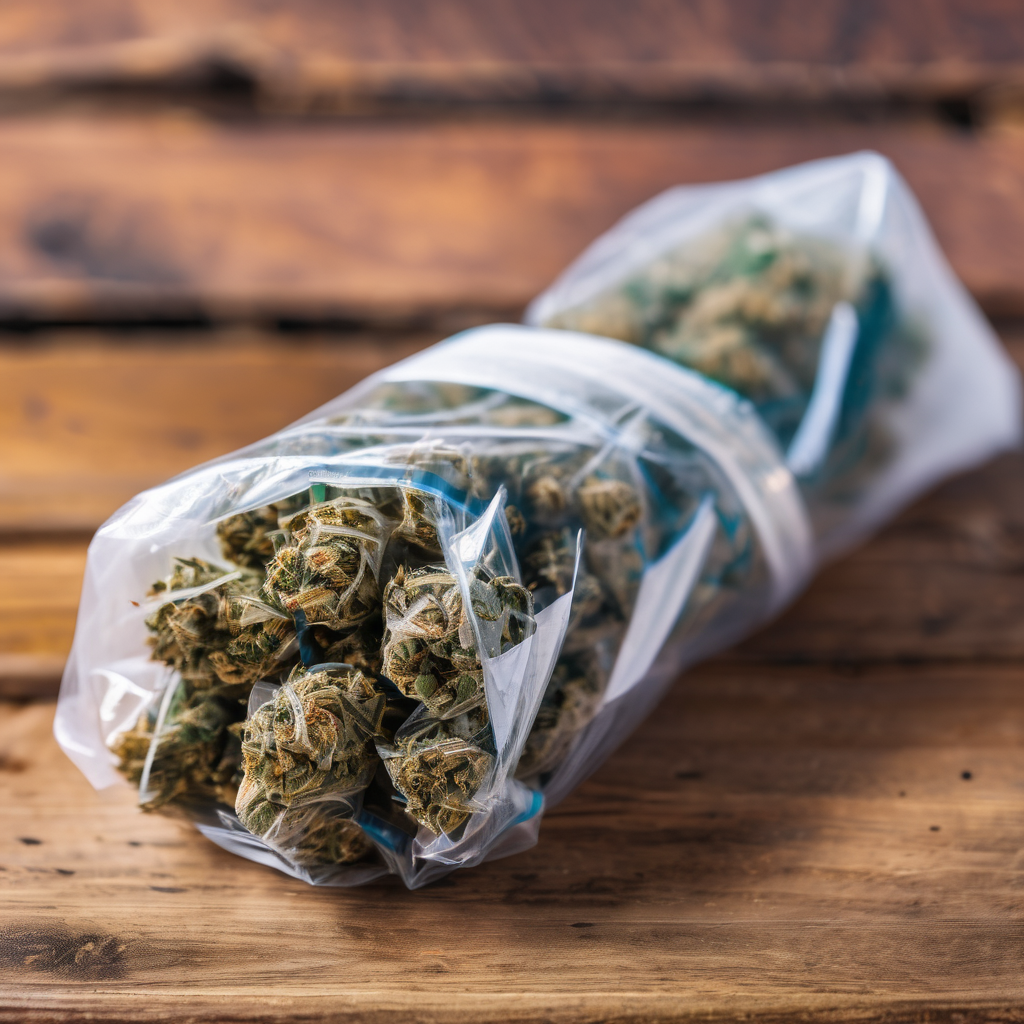
In a major development concerning drug enforcement in Paraguay, forty police officers are currently under investigation following a historic seizure of over 88 tons of marijuana by the country’s anti-drug unit. This incident, part of Operation Umbral, raises serious concerns regarding the pervasive corruption that has historically hindered anti-trafficking efforts and contributed to public mistrust of law enforcement agencies.
The officers in question were stationed at five different outposts along a trafficking route where the large marijuana shipment was intercepted on December 4. Jalil Rachid, head of Paraguay’s National Anti-Drug Secretariat (SENAD), stated that this seizure has far surpassed the previous record set in 2022 when 57,000 kilograms were confiscated during Operation Marangatu. Rachid emphasized the need for rigorous efforts to combat such immense trafficking operations.
SENAD, along with the army’s Internal Defense Operations Command (CODI), tracked the convoy for an extensive stretch, covering 120 kilometers past eleven police stations. Alarmingly, despite the vehicles’ blatant transport of illicit goods, there was no police intervention or inspection. Officials suspect that law enforcement may have deliberately cleared the route for traffickers, with Rachid pointing out the clear absence of police action in light of the brazen manner in which the cargo was being transported.
The operation concluded with a shootout, resulting in the death of one suspect and the arrest of five other individuals, including a retired police officer. Authorities also discovered the identification of a local police chief close to the scene during the scuffle. The police chief claimed his ID fell out during the chaos and asserted he was involved in the operation.
Despite this remarkable seizure representing a success for anti-drug authorities, widespread corruption within the Paraguayan police force remains a significant barrier to effective combat against drug trafficking. Reports have long implicated lower-level officers in accepting bribes from traffickers, further complicating the ongoing fight against organized crime.
Ester Roa, an anti-corruption attorney, highlighted how systemic corruption within police ranks has exacerbated the inability to address drug trafficking comprehensively. Trust issues among law enforcement agencies have stymied cooperative efforts essential for efficient intelligence sharing and operational effectiveness.
The success of the recent operation illuminates the potential for effective drug law enforcement in Paraguay, though it simultaneously underscores the urgent need for reform within the law enforcement community to ensure collaboration and transparency. As criminal organizations grow more sophisticated, the necessity for a cohesive, joint response among various law enforcement branches is paramount to improving outcomes in the ongoing war against drug trafficking.