
A recent incident at the Cortina Curling Olympic Stadium has sent shockwaves through the curling community, spotlighting tensions over gameplay integrity. During the heated Canada vs. Sweden match, which Canada ultimately won 8-6, Canadian curler Marc Kennedy faced a heated altercation with Swedish curler Oskar Eriksson. A live microphone captured Kennedy angrily telling Eriksson, “You can f*** off,” following accusations from the Swedish team that Kennedy had committed a foul by double-touching the stone beyond the “hog line.”
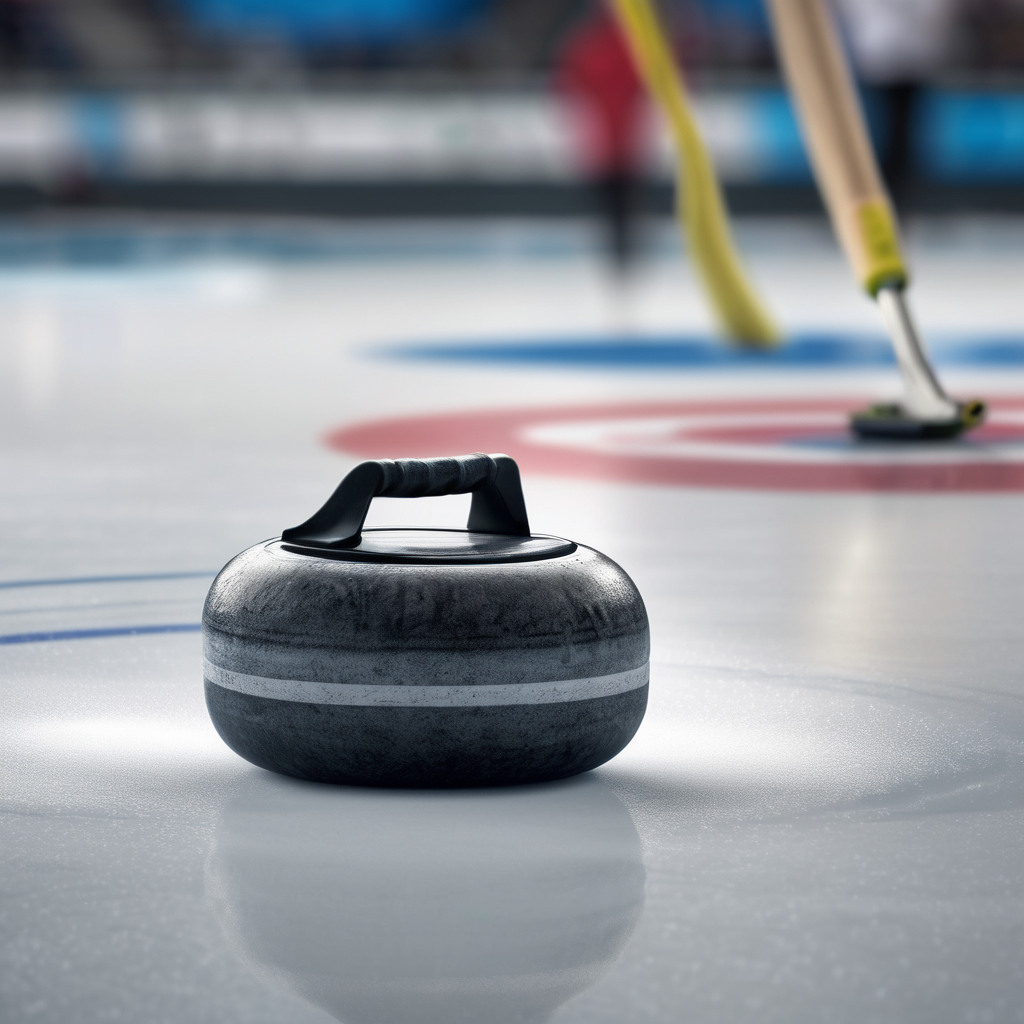
In curling, players slide granite stones down the ice, needing to release them before the hog line to keep them in play. Eriksson, joined by his teammate Niklas Edin, stated that Kennedy was intentionally touching the stone’s surface as it crossed the line, which is strictly against the rules. Edin emphasized the technicality that even a slight touch can significantly affect the stone’s trajectory and speed.
Kennedy vehemently denied the allegations, rejecting any suggestion of intentional cheating. “I’ve curled my whole life, never once with the intention of getting an advantage through cheating,” he stated, although he acknowledged his temper could have been better managed during the incident. Meanwhile, curling officials at the game confirmed they did not observe any violations that warranted a penalty.
In response to the controversy, World Curling, the sport’s governing body, issued a statement clarifying the rules around touching the stone during forward motion. They emphasized the importance of keeping gameplay fair and transparent but decided against using video replays to reassess calls made by on-site officials. Instead, the organization announced plans to assign more observers to future games and provided a verbal warning to Kennedy regarding his conduct.
The fallout from this incident poses a significant challenge to curling’s reputation, which is anchored in the “Spirit of Curling” ethos—a code promoting sportsmanship, respect for opponents, and a commitment to fair play. Eriksson lamented that the competitive nature might be undermining the noble spirit of the sport, while Kennedy shared similar sentiments about the sport’s current climate.
The controversy continued to unfold as a new observational policy was abruptly rescinded after a brief implementation. In subsequent matches, players like Canada’s Rachel Homan and Great Britain’s Bobby Lammie faced similar violations, raising further concerns over the enforcement of rules amid the high stakes of the Olympics. Curlers now anticipate continued discussions on potential rule changes, including the possibility of introducing video technology to assist referees and how best to penalize rule violations.
While there is a sense of turmoil in the air, this incident could ultimately lead to a strengthening of rules and sportsmanship in curling, reinforcing its cherished values for future generations.