
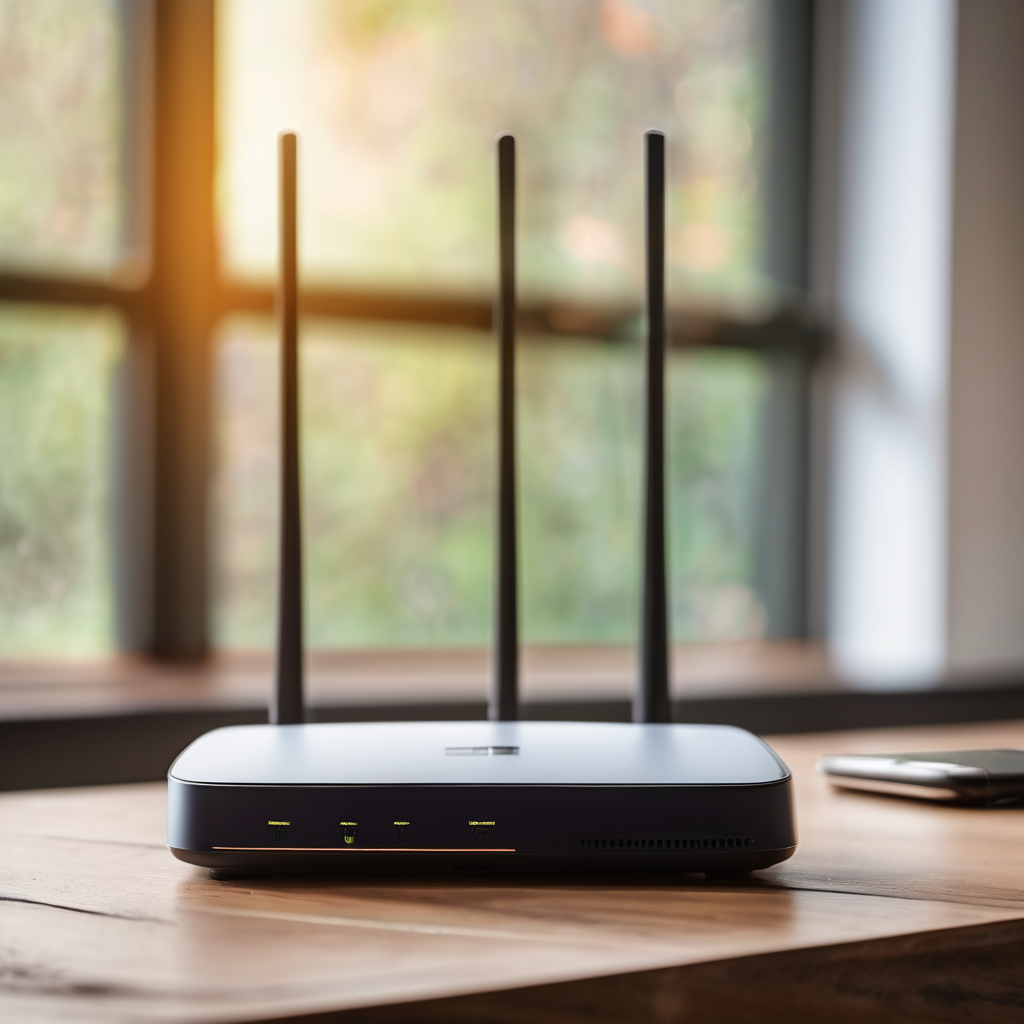
Wi-Fi has become an integral component of home internet setups, providing convenience and connectivity to numerous devices. However, many users overlook the importance of securing their Wi-Fi networks, often relying on the default settings provided by Internet Service Providers (ISPs). While these settings may suffice for casual use, significant security vulnerabilities could leave users exposed to cyber threats.
When you subscribe to an ISP, you typically receive a combined modem and router device. The modem facilitates internet communication, while the router enables multiple devices to connect wirelessly. Wi-Fi access points transmit data as radio waves, allowing any compatible device to receive and send information with ease. This seamless connectivity, while convenient, opens up potential security risks, as radio waves can extend beyond your home. Consequently, it is essential to implement appropriate security measures to safeguard personal information.
Most routers come pre-configured with encryption protocols to add a layer of security. Encryption scrambles data during transmission, ensuring that only authorized devices can decode and access this information. However, not all security protocols are equally effective. For example, WEP (Wired Equivalent Privacy) has known vulnerabilities that make it relatively easy for attackers to gain unauthorized access. WPA1, which replaced WEP, also presents security shortcomings due to its reliance on outdated encryption methods.
Another potential weakness lies in the default login credentials for routers. Many devices come with generic usernames and passwords, such as “admin” for both. If you don’t change these upon setup, a knowledgeable hacker could exploit this vulnerability if they have access to your device.
Additional security risks can arise from other devices connected to your network. Internet of Things (IoT) devices are particularly problematic. They often feature weak authentication methods, making them easy targets for attackers who might use these entry points to infiltrate your home Wi-Fi network.
Although modern web traffic is increasingly encrypted through protocols such as SSL, vulnerabilities within your home network still present risks. A single compromised entry point can provide malicious actors with the ability to monitor traffic and capture unencrypted passwords, leading to further exploitation.
To bolster your Wi-Fi security, follow these actionable steps:
1. Change the default login credentials of your router to strengthen access controls.
2. Enable WPA2 or WPA3 encryption protocols to enhance the protection of your local network traffic.
3. Activate any built-in firewall features to prevent unauthorized external access.
4. Consider disabling the SSID broadcast to make your network less visible to potential attackers.
5. Turn off remote administration features unless absolutely necessary, as they can provide hackers with an exploitable vector.
6. Regularly update your router’s firmware to mitigate security loopholes.
7. Utilize a Virtual Private Network (VPN) when operating on public Wi-Fi or shared networks to add a layer of encryption to your traffic.
These measures not only help secure your Wi-Fi network, but they also protect your personal data. While the convenience of wireless connectivity is undeniable, taking the time to ensure a secure setup is an investment in your digital privacy and safety. By adopting proactive security practices, you can enjoy the benefits of Wi-Fi without compromising your security.