
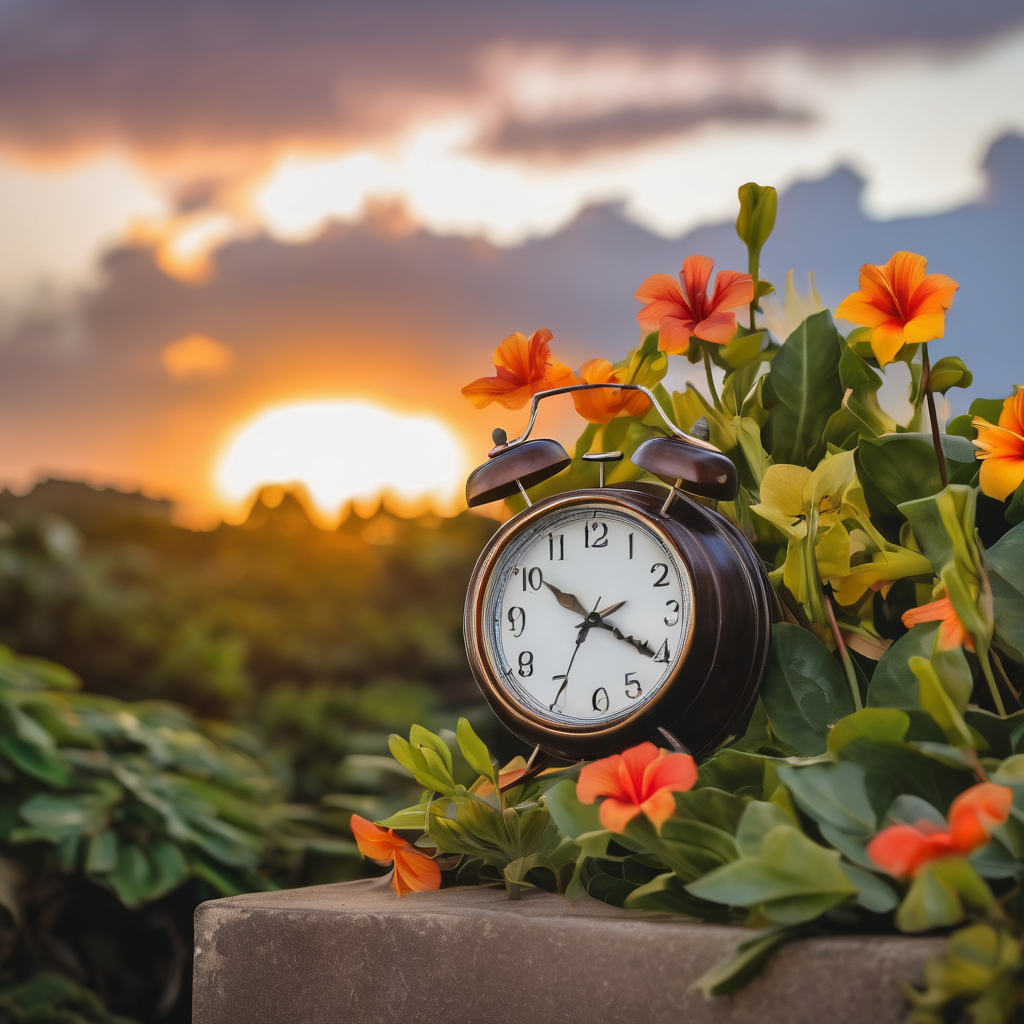
As many people prepare for the clock change, a familiar seasonal shift is on the horizon. Daylight Saving Time (DST) will return this Sunday, March 8, prompting millions to set their clocks forward one hour. While this annual adjustment will bring longer evenings with sunsets shifting from 5:34 p.m. to 7:09 p.m. by the end of March, it will also mean later sunrises, with morning light arriving after 7 a.m. for some time.
For those with a preference for sunrise over sunset, this time of year can be less than ideal. However, it’s also a tangible sign that spring is approaching, having already begun solar spring on February 6, with meteorological spring kicking off on March 1.
As clocks spring forward, daylight hours will increase significantly. On March 8, there will be approximately 11 hours and 34 minutes of daylight, and by the end of the month, daylight will stretch to an additional hour, totaling 86 more minutes of light throughout March. This increase will continue as the summer solstice approaches on June 21.
Daylight Saving Time was initially introduced during World War I to conserve energy, later becoming codified in law with the Uniform Time Act of 1966. Interestingly, the start date for DST has been adjusted over the years; since 2007, it begins on the second Sunday in March, a couple of weeks earlier than the timeframe observed from 1987 to 2006.
Currently, most states in the U.S. observe DST, with Hawaii and most of Arizona being notable exceptions. The territories of Puerto Rico, Guam, American Samoa, the Northern Mariana Islands, and the U.S. Virgin Islands also do not participate in this time change.
The movement towards establishing permanent daylight saving time is gaining momentum, with the Sunshine Protection Act introduced multiple times in Congress since 2018. While it garnered unanimous support from the Senate in 2022, it has faced hurdles in the House of Representatives. Advocacy for this change includes backing from President Trump. Yet, the American Medical Association and the American Academy of Sleep Medicine advocate for sticking with standard time year-round, emphasizing its benefits for human biology and sleep patterns.
As we transition into longer days, birds will soon be chirping more frequently in the mornings, adding to the signs of spring. Regardless of individual preferences regarding the clock changes, this time of year celebrates the extended daylight bringing warmth and vibrancy back into our lives.