
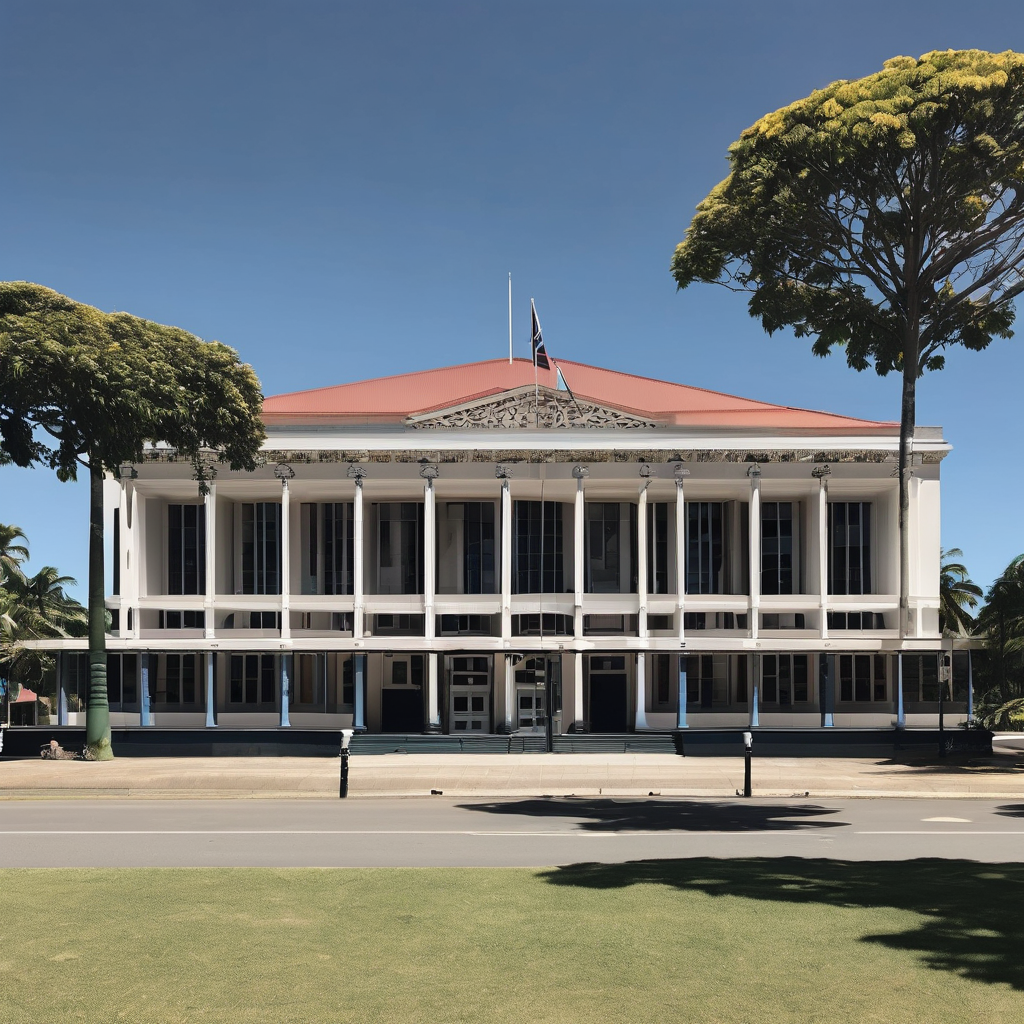
The Suva High Court is set to announce its ruling this afternoon regarding the judicial review concerning former FICAC Commissioner Barbara Malimali. The anticipated decision seeks to clarify the extent of presidential powers as well as the procedures for appointing or dismissing key figures within the anti-corruption framework in Fiji.
Last year, during the hearings, Malimali’s attorney, Tanya Waqanika, argued that Prime Minister Sitiveni Rabuka’s process for revoking her client’s contract was flawed. Waqanika claimed that Malimali was deprived of natural justice when the Prime Minister directed President Ratu Naiqama Lalabalavu to terminate her role as FICAC Commissioner.
Waqanika emphasized that the findings of the Commission of Inquiry should have been presented to the Judicial Services Commission, allowing for a tribunal to be formed. This tribunal would provide recommendations to the President regarding Malimali’s position.
Moreover, Waqanika pointed out that the dismissal of the FICAC Commissioner is only valid under specific circumstances, such as incapacity or misconduct. The situation surrounding Malimali’s termination was compared to the dismissal protocols for judges, highlighting the necessity for a clear and equitable process.
Waqanika firmly stated that due to the neglect of constitutional protocols, Malimali should still be recognized as the valid FICAC Commissioner. The outcome of this judicial review is poised to carry significant consequences for how anti-corruption institutions are governed in Fiji, potentially reinforcing the essential nature of due process in the approach to public office appointments and dismissals. This turning point could enhance accountability and establish higher governance standards in the nation’s ongoing battle against corruption.