
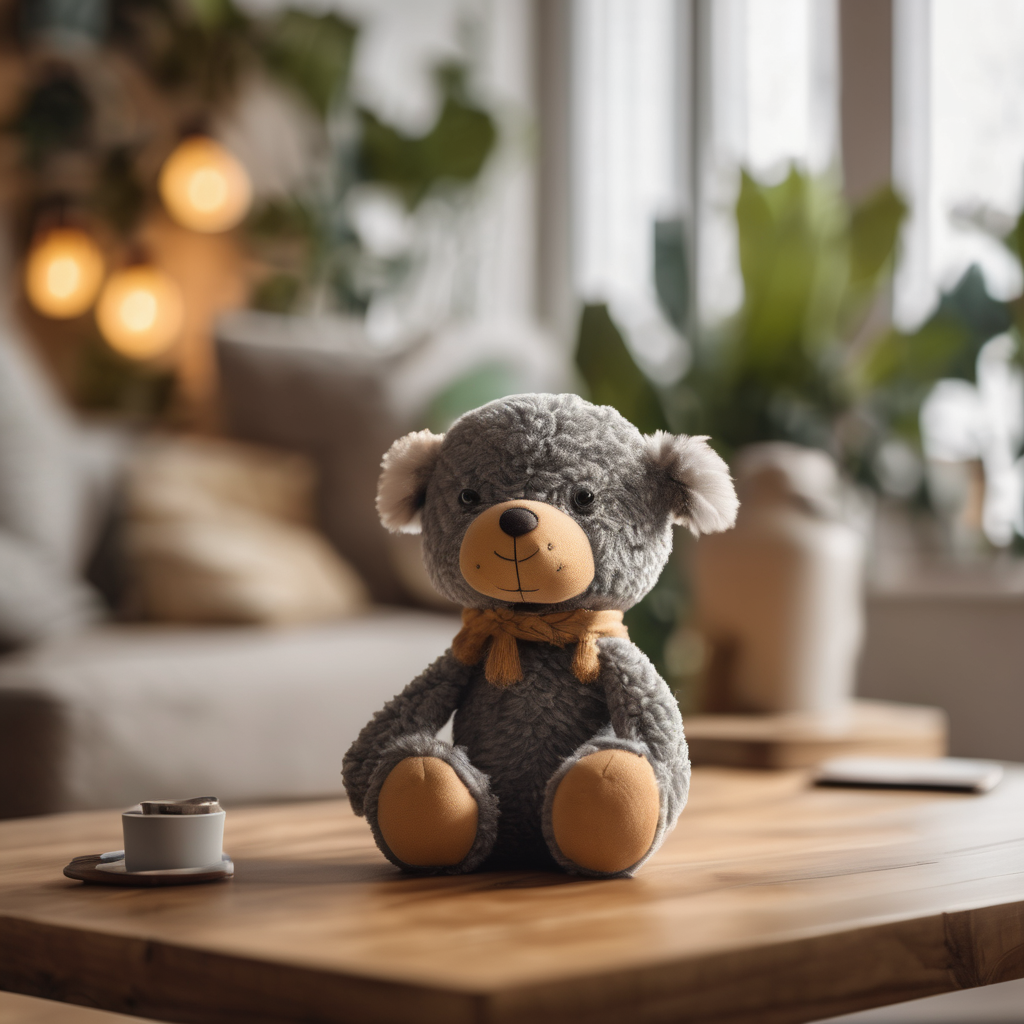
After nearly 24 hours of travel, I find myself standing in line at Ikea’s click and collect service, laser-focused on picking up one specific item: a plush orangutan named Djungelskog. This mission is fueled not only by my exhaustion but also by a growing viral phenomenon surrounding a monkey named Punch at a Japanese zoo. Punch has captured the hearts of many online, primarily because of the comfort he finds from his own Djungelskog, a plush toy given to him by zookeepers to alleviate his loneliness.
Punch’s situation is quite heartbreaking; he’s among older macaques who seem indifferent to him, making his reliance on the soft toy nearly a lifeline. Although the monkey shares similarities with Moo Deng, another viral animal sensation, Punch’s story strikes a more somber chord. His attachment to the plush toy has resonated with animal lovers, prompting many, like myself, to seek out the same Djungelskog in hopes of replicating the comfort it appears to provide.
The demand for this Ikea plush has skyrocketed, with eBay Australia reporting a staggering 650% increase in listings from January to February, fetching prices from $33 to $175. Ikea Australia confirmed an over 200% surge in Djungelskog sales recently, with nearly 1,000 units sold in just one week. A spokesperson explained that as attention around Punch’s tale grows, so too does the demand for the soft toy, urging fans to act quickly before stock runs out.
When I finally reach the front desk of Ikea to collect my order, I’m met with disappointment—Djungelskog has already sold out. However, I am assured it will be back in stock the following day. Although tired and let down, I make a note to return. The next morning, I arrive early, and a friendly Ikea employee hands me a fresh Djungelskog, sharing her disbelief at the craze. “What is up with all these monkeys?” she laughs, reflecting the collective fascination with Punch.
Coupled with my newly acquired Djungelskog, I am surprised at the immediate sense of peace enveloping me. Its soft, oversized body feels remarkably comforting, and I hold it close as I drive home. On my commute to work, I can’t help but talk to the plush toy, sharing snippets about my day and the environment, treating it almost like a co-worker.
Yet, while I indulge in this lighthearted experience, I’m reminded of the more sobering aspects surrounding Punch. His story evokes memories of Keiko, the orca from *Free Willy*, whose tragic life illustrates the challenges wild animals face when human existence disrupts their natural upbringing. Keiko’s attempts to reintegrate into the wild ended poorly, highlighting the complex relationship humans have with wild creatures.
As I enjoy my time with Djungelskog at work, I can’t overlook the gravity of Punch’s reality. Unlike my enthusiastic dog who warmly greets me with genuine affection, Punch’s bond with his plush toy underscores a deeper sadness. It’s a stark reminder that, while we see human traits in Punch’s attachment, he is inherently a wild animal, and the companionship my toy provides will always differ substantially from the connections we share with our pets.