
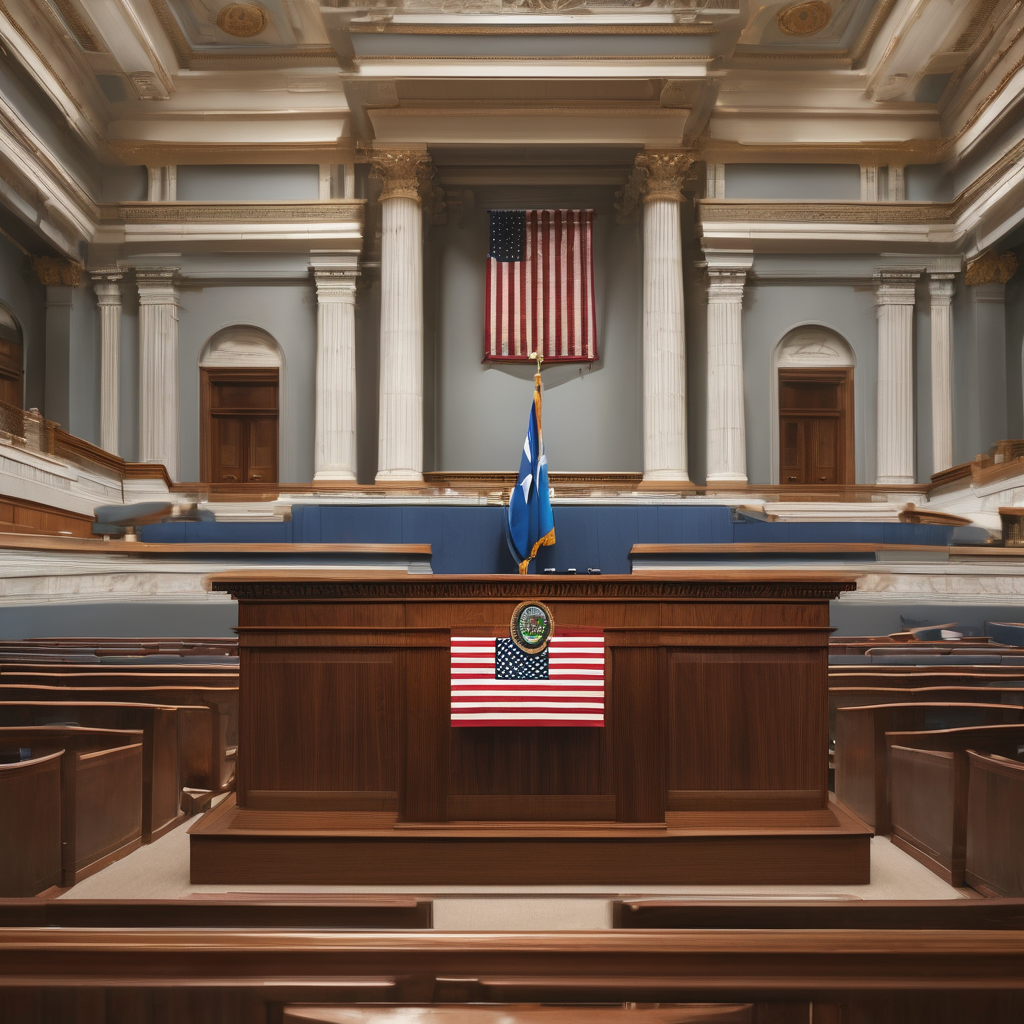
The role of the designated survivor, a position that has echoes of fiction but bears the weight of reality, is one filled with tension and unexpected responsibility. This unique duty stems from the Cold War era, a time when the U.S. government needed a fail-safe plan to preserve the continuity of leadership during catastrophic events. This tradition has been popularized in literature and media, notably in the ABC series “Designated Survivor,” which stars Kiefer Sutherland.
The identity of the designated survivor for the upcoming State of the Union address remains undisclosed. History has shown that during such significant events—like a presidential address to Congress—one Cabinet member is chosen to remain away from the crowd to ensure that at least one person in the line of succession remains safe, should disaster strike.
Reflecting on their experiences, former Cabinet members reveal that the role brings a mix of adrenaline and a sobering realization of the gravity of potential leadership. James Nicholson, who served as Veterans Affairs Secretary under President George W. Bush, shared that the role focuses one’s thoughts on the possibility of unplanned ascension to the presidency after a major calamity. The emotional weight of this role can be daunting, as one contemplates the potential devastation that would necessitate their leadership.
Historian Garrett M. Graff explains that the allure of the designated survivor concept lies in the striking juxtaposition of ordinary individuals suddenly thrust into extraordinary circumstances. This element of surprise captures the public’s imagination, highlighting the precariousness of power and the reality that anyone could become president under unusual circumstances.
The practice has evolved over the decades, formalized during the administrations of Carter and Reagan amid fears of nuclear threats, highlighting the government’s ongoing preparations for unimaginable events. Various designated survivors have shared their own stories, with some even taking the opportunity to travel elsewhere for the duration, contrasting their low-profile roles with what could have been an extraordinary leap into leadership.
Former Agriculture Secretary Dan Glickman recalled the thrill of being selected in 1997, mentioning that while excitement was present, there was less emphasis on the potential dangers. Similarly, Alberto Gonzales, who served during the Bush administration, recounted his experience of being in-flight while the State of the Union address took place, and realizing the sobering possibility that he could suddenly be in charge.
As life moves on, the designated survivor’s experience can starkly shift back to normality. Glickman’s story about his post-speech struggle to grab a taxi serves as a reminder of how quickly one can transition from the heights of power back to everyday life, highlighting the contrast of such moments in the high-stakes world of politics.
In the end, while the position of designated survivor resonates with themes of leadership and survival, it also underscores the human element—realizing that behind the titles and roles, there are individuals grappling with the responsibilities and challenges of leadership during crisis. As we await the announcement of the next designated survivor, it is a poignant reminder of the extraordinary lengths taken to ensure that our government remains intact, even in the face of the unthinkable.