
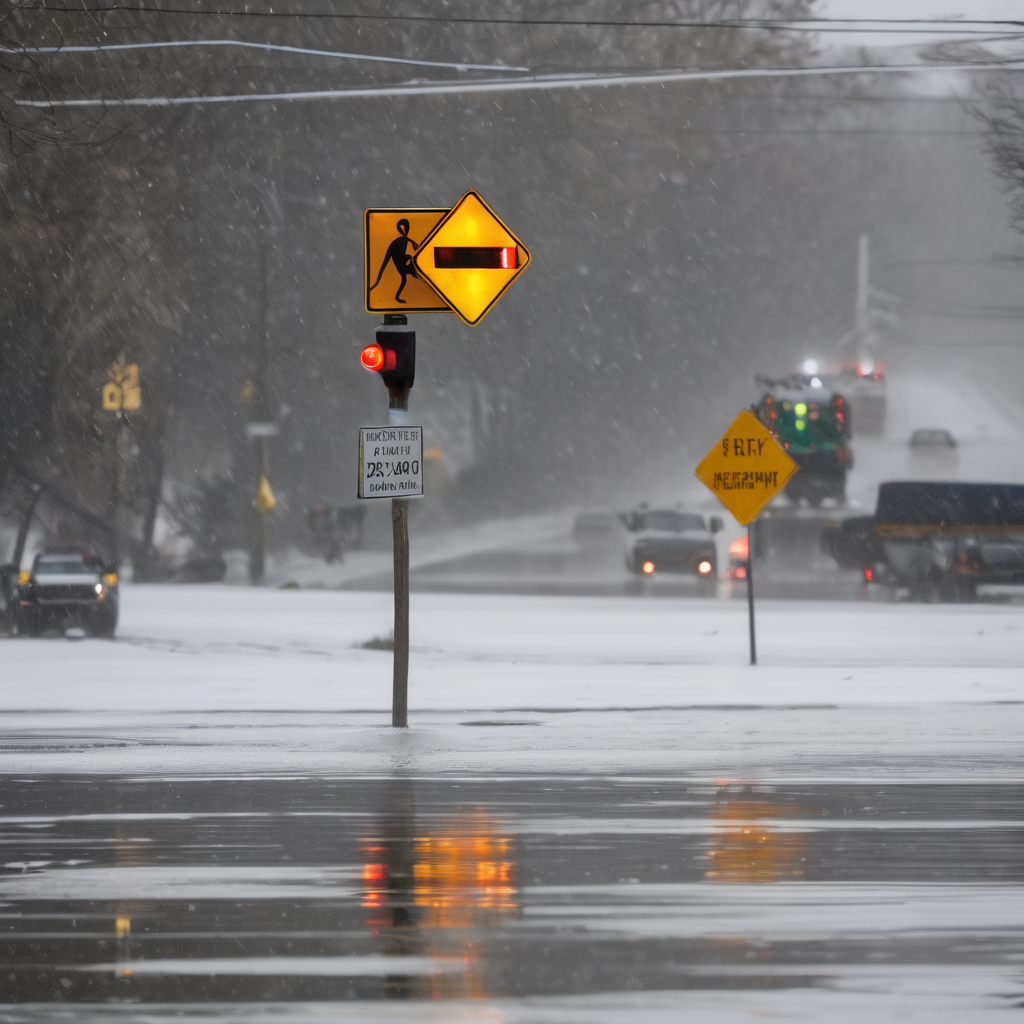
A significant winter storm is expected to impact Washington this week, bringing heavy rainfall to regions already affected by severe flooding. According to Steve Bodnar, a meteorologist with the National Weather Service in Spokane, the new storm system is forecasted to start on Monday, though it is expected to bring less rainfall and shorter durations compared to the previous storm that caused significant damage across the region.
Bodnar detailed that last week, rainfall reached between seven to thirteen inches along the Cascade Mountain crest, extending into Eastern Washington and North Idaho. This week’s storm is anticipated to last approximately 48 hours, with rainfall expected to accumulate between three to four inches along the mountain ridges. He indicated that precipitation will arrive in waves throughout this period.
While the Columbia Basin and North Central Washington are unlikely to receive substantial rainfall, they will still be affected by increased wind conditions. Strong gusts of wind are projected to pick up from Monday through Wednesday, with peak gusts potentially reaching 30 to 40 miles per hour on Monday and escalating to 40 to 60 miles per hour by Tuesday night into Wednesday morning.
In light of last week’s devastating flooding, the Washington Congressional delegation has successfully requested an expedited emergency declaration from the Trump Administration, which was granted on Friday. Senator Maria Cantwell expressed optimism, stating that federal support is on the way to assist local officials and first responders who have been tirelessly working around the clock.
Governor Bob Ferguson also joined in on the call for the emergency declaration, which has garnered support from local representatives. State Senator Judy Warnick emphasized her gratitude for the efforts of emergency responders, highlighting the community’s dedication amid challenging circumstances.
As the state anticipates federal assistance, the local response will require careful coordination, especially as Washington faces a budget shortfall. Lawmakers will need to assess the financial implications and determine how to address the needed infrastructure repairs. State Representative Tom Dent underscored the importance of restoring the infrastructure, stating, “That’s on the state, that’s for sure.”
The recent storm not only caused extensive damage and flooding across Western Washington but also specifically affected areas such as the Wenatchee River and Icicle Creek. It resulted in the closure of significant stretches of highways, including U.S. 2 and intermittent closures of U.S. 97 and Interstate 90, due to mudslides and downed trees. The flooding led to power outages in Leavenworth and necessitated the cancellation of the town’s annual winter lights festival.
Despite the ongoing challenges posed by the storms, there remains hope for recovery and rebuilding as local and state officials work together with federal resources. The resilience of the community and its responders continues to shine through these difficult times.