
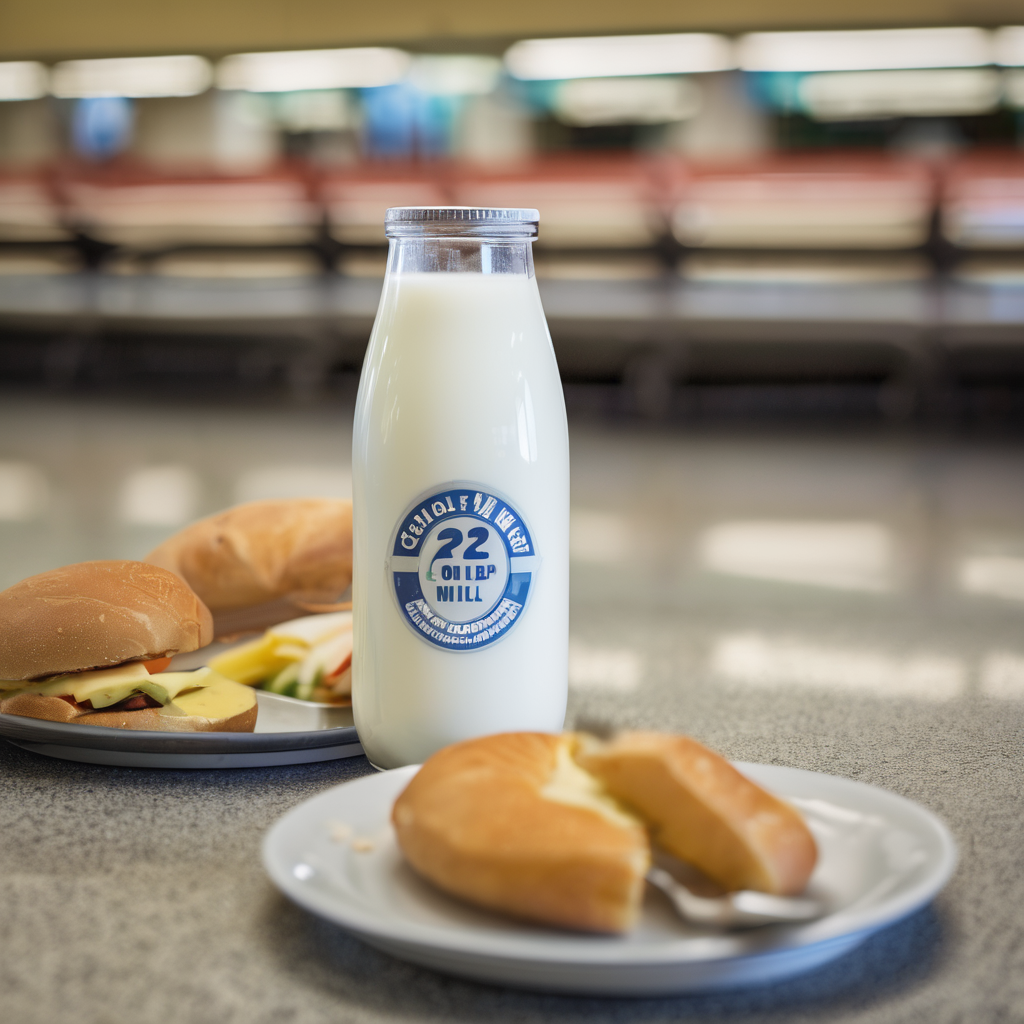
President Donald Trump is poised to sign a significant bipartisan bill on January 14, aimed at allowing schools across the nation to serve whole milk and 2% milk, an action that reverses restrictions imposed during the Obama administration. These prior measures limited milk options for students to fat-free or low-fat varieties.
The upcoming signing ceremony for the Whole Milk for Healthy Kids Act is scheduled for 2 p.m. ET in the Oval Office, with various members of Congress and dairy advocates in attendance. This legislation, which received unanimous support from both chambers of Congress late in 2025, reflects a shift in dietary policies, particularly after Health and Human Services Secretary Robert F. Kennedy Jr. announced new guidelines promoting full-fat dairy and healthy fats.
“This law represents a sensible adjustment to policies that previously restricted our children’s access to essential nutrients found in whole milk,” stated White House spokeswoman Taylor Rogers. She emphasized that this move is favorable for students, dairy farmers, and parents, asserting that it prioritizes parental choice over government mandates.
Under the new law, schools within the National School Lunch Program can provide whole and 2% milk, along with nutritionally equivalent nondairy alternatives, in addition to reduced-fat and fat-free options. This change aims to improve dietary options for nearly 30 million students, including approximately 21 million who receive meals at reduced or no cost.
The legislation represents a dramatic overhaul of the milk standards established by the Healthy, Hunger-Free Kids Act of 2010, which aimed to combat childhood obesity by limiting milk types available in schools. With the new regulations, schools are now permitted to offer both flavored and unflavored milk, with provisions for organic and nonorganic options, encompassing both breakfast and lunch meals.
In an added note of accessibility, the new law allows parents to authorize milk substitutes for their children due to dietary restrictions without the necessity of a doctor’s note, streamlining the process.
Alongside the signing, the U.S. Department of Agriculture is promoting whole milk consumption through a campaign featuring Trump with a milk mustache, alongside a nostalgic nod to the popular “Got Milk?” advertisements of the late 90s and early 2000s.
Experts note that while higher-fat dairy products provide essential nutrients such as vitamin A, calcium, and protein, moderation is necessary. Current guidelines suggest limiting saturated fats to 10% of daily calorie intake. Nevertheless, this policy shift reflects a growing recognition of the importance of whole dairy in a balanced diet, providing students with nutritious options.
This new law not only aims to enhance children’s nutrition but also signifies a broader shift towards embracing the benefits of whole fats in a healthy diet, echoing a changing landscape in dietary guidelines nationwide.