
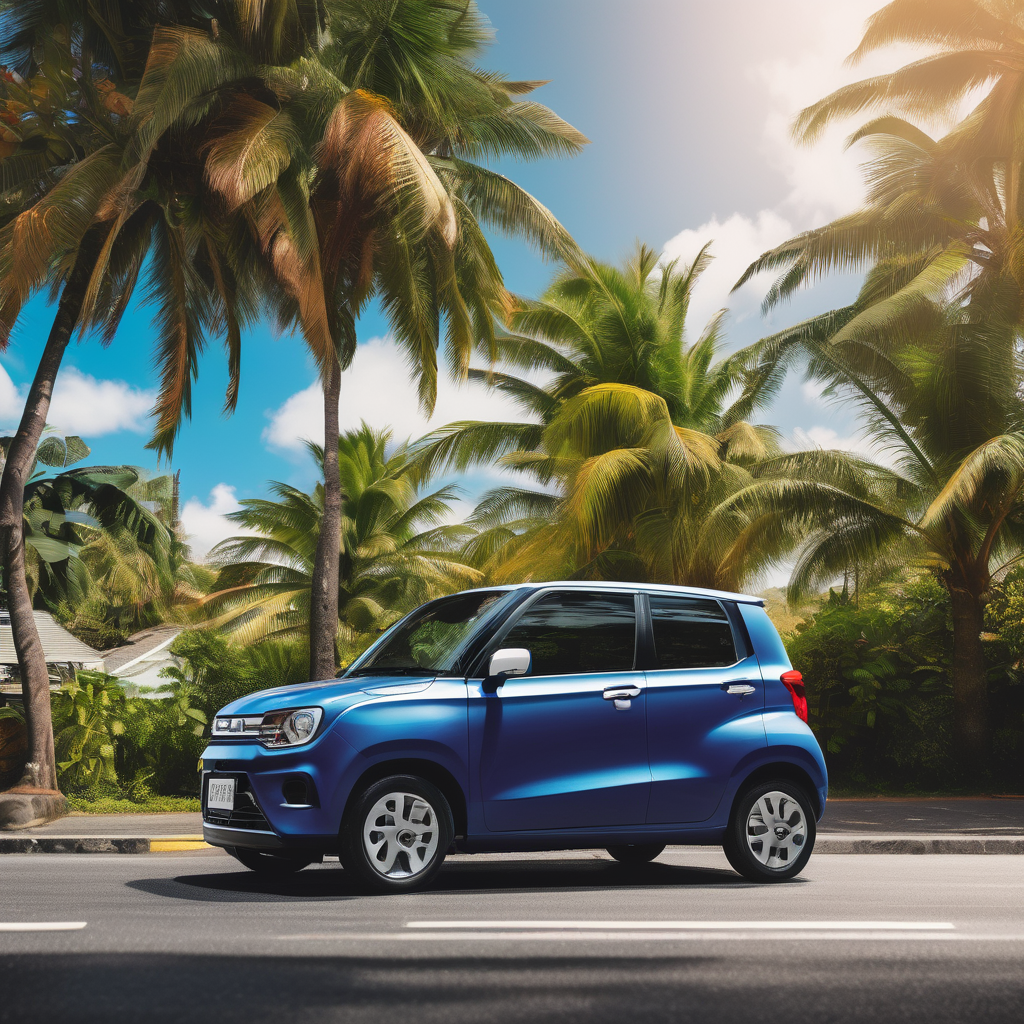
Kei cars, recognized for their compact, charming designs, hold a significant place in Japan’s automotive landscape. However, their presence in the U.S. market remains limited due to stringent safety regulations that differ substantially from Japanese standards. While it is not illegal to manufacture tiny cars for the American market, kei vehicles produced abroad do not comply with U.S. safety requirements, preventing their import unless they qualify as antiques, specifically being over 25 years old.
This situation gained attention recently when President Donald Trump made an offhand comment during a press conference about the potential for kei cars in the U.S. market. He likened them to the classic Volkswagen Beetle, describing them as “really cute” and surprising kei car enthusiasts with his suggestion that the Secretary of Transportation should approve their production domestically. The remark sparked hope among fans of these vehicles, who believe this could prompt the American automotive industry to reconsider their stance on small cars.
Kei cars, trucks, and vans are immensely popular in Japan, notable for their affordability and unique designs, often retailing for under $15,000. In the U.S., those looking to own a kei vehicle often pay upwards of $8,000 for antique imports, a figure that still pales in comparison to the current average price for mainstream pickups, which exceeds $34,000. Enthusiasts appreciate the practicality of kei vehicles, often boasting features such as surprisingly spacious beds in their mini trucks, allowing for significant functionality despite their small size.
However, there are significant safety concerns associated with kei cars. As vintage designs lacking modern safety features, they pose risks that some states have addressed by prohibiting their use. While owners are aware of these drawbacks and often embrace the unique experience of driving a kei vehicle, the lack of safety features is a genuine consideration. Interestingly, some advocates argue that smaller cars can pose fewer risks to pedestrians, showcasing the potential benefits of kei cars in urban settings.
Despite Trump’s enthusiastic endorsement, the reality is that the market demand for smaller vehicles in the U.S. has been declining. The consumer preference for larger SUVs and trucks has consistently overshadowed the appeal of compact cars. Histories of failed attempts to introduce smaller cars, such as the Smart fortwo, indicate that American buyers have little interest in them compared to larger vehicles.
Yet, hope remains among enthusiasts of kei cars. They argue that the right conditions could change market dynamics, highlighting that many other countries enjoy a thriving kei car culture. With increasing awareness of fuel efficiency and urban congestion, advocates believe there may be a future where American drivers embrace the joy of these small, economical vehicles.