
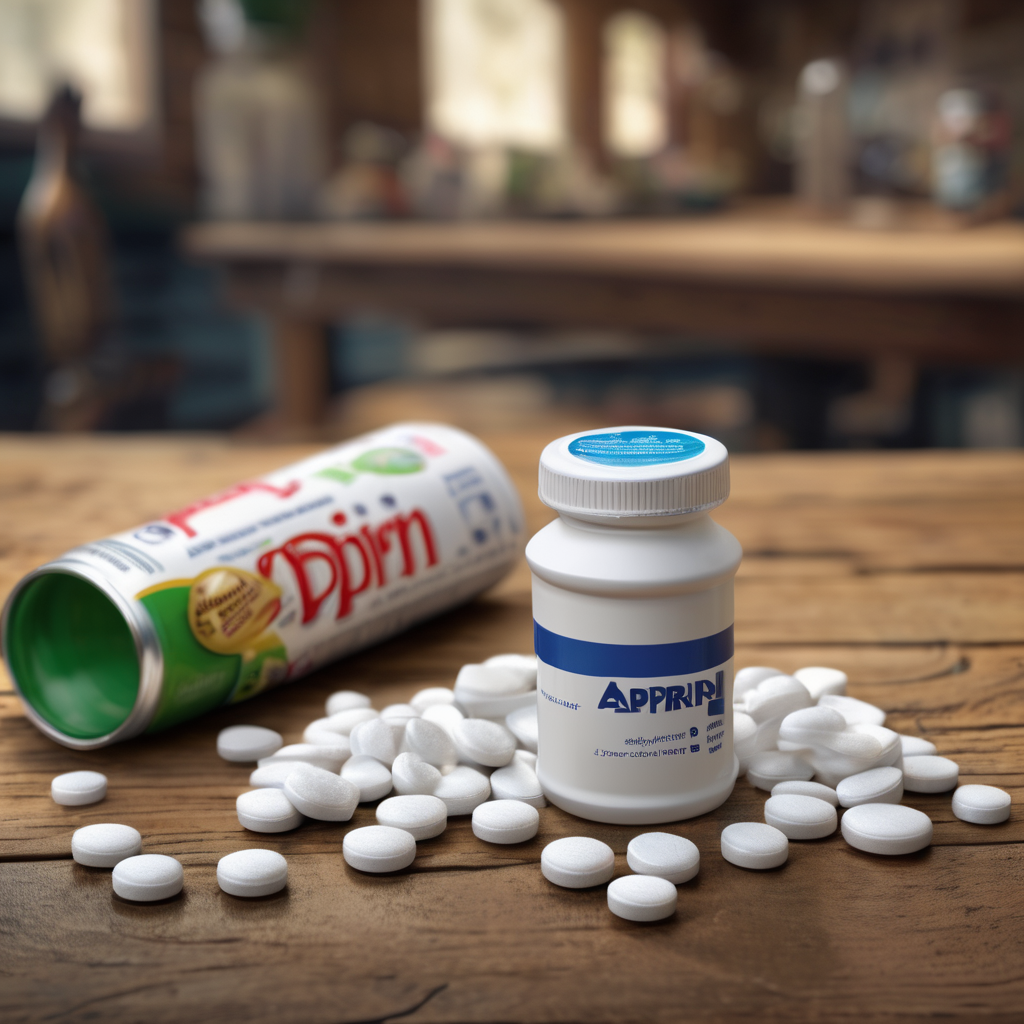
Donald Trump has kicked off 2026 in his signature fashion, grappling with health concerns and continuing his pointed criticisms of foreign leaders. Surprisingly, as he works to maintain a public image of good health, details about his substantial aspirin consumption have come to light.
In a recent interview with the Wall Street Journal, Trump, now 79, asserted that his health is “perfect,” even as he revealed he takes an unusually high daily dose of 325 milligrams of aspirin—around four times the typical recommendation for someone his age. Despite efforts to downplay health rumors, Trump’s discussion of using compression socks for leg swelling, and the admission that he only stopped wearing them for personal comfort, have sparked fresh concerns. He insisted that bruises he has experienced result from “frequent handshaking and the use of aspirin,” albeit in a context that some found perplexing.
Aside from health issues, Trump’s eating habits have also made headlines. During the campaign trail, he reportedly enjoyed a heavy McDonald’s meal, which included a Filet-O-Fish, a Quarter Pounder, and a Big Mac, often with “hot fries” ready at hand. This culinary indulgence illustrates his unabashed embrace of fast food, a detail that underscores the contrast between his lifestyle and the expectations of a political figure.
Internationally, Trump has not shied away from escalating rhetoric regarding Iran amid rising protests and public demonstrations in the country. Armed with a provocative message on social media, he warned Iranian authorities against harming peaceful protesters, suggesting the U.S. would “come to their rescue.” This statement followed the recent escalation in tensions tied to the regime’s efforts to suppress dissent, drawing countercharges from Iranian officials accusing the U.S. of meddling in their affairs.
On a different political front, New York City has seen its new mayor, Zohran Mamdani, take office while notably omitting any acknowledgment of Trump in his inaugural speech. Mamdani expressed a commitment to transparent governance free from oligarchic influence, setting a tone that contrasts sharply with Trump’s presidency.
Further complicating matters is Trump’s recent decision to postpone planned tariff increases on furniture imports, leading some critics to adopt the acronym “TACO” (Trump Always Chickens Out) in reference to his retreat from bold economic promises. While the continuation of a 25% tariff on upholstered furniture remains, plans for a more significant tax hike are on hold for a year, revealing a reluctance to confront industry backlash at this time.
As Trump navigates his political narrative amid health inquiries, fast food habits, and international tensions, he remains a potent figure on the American landscape, continuing to draw attention both for his policies and his personal idiosyncrasies.