
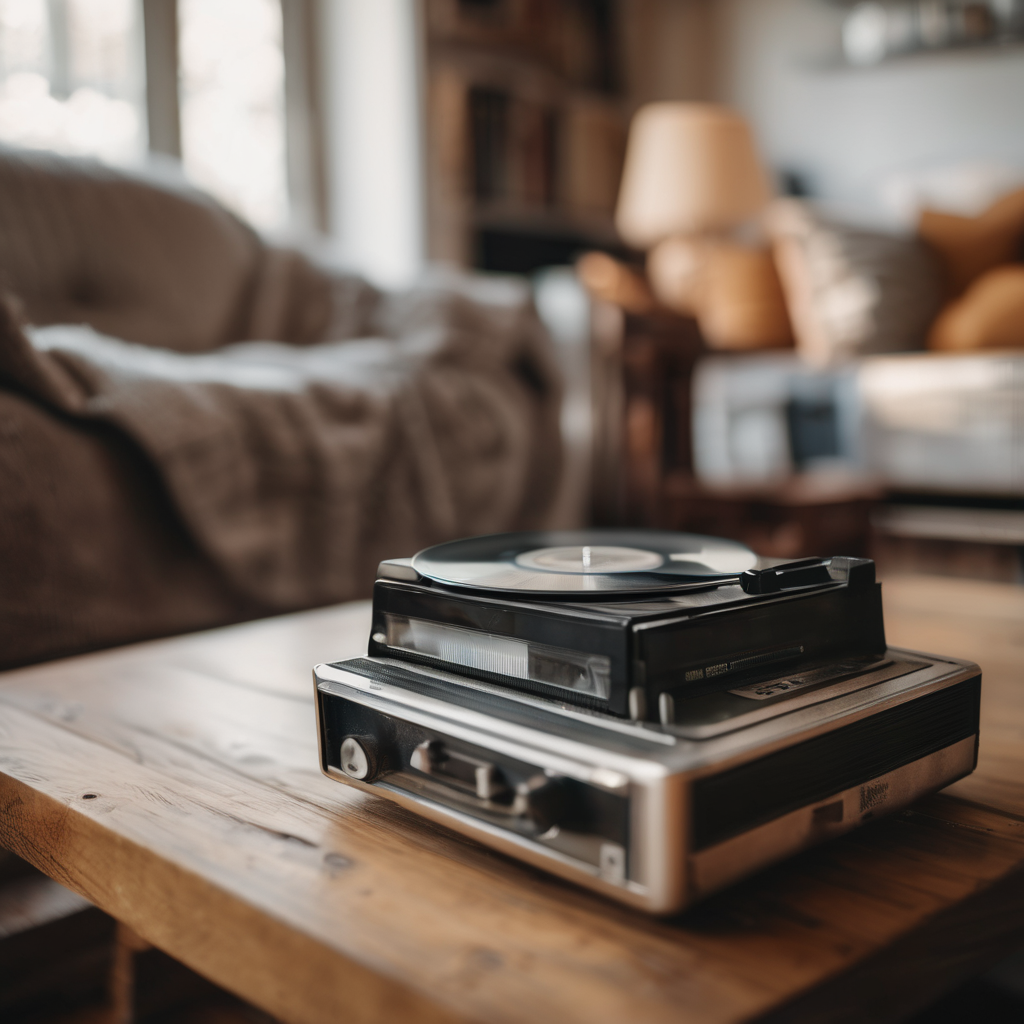
In the first weeks of 2026, a nostalgic wave has swept across social media as users enthusiastically declare, “2026 is the new 2016.” This trend has sparked a renaissance of retro posts, with individuals sharing lo-fi images and throwback moments from a decade ago, often accompanied by filters reminiscent of the past.
Recently, platforms like Instagram and TikTok have seen a dramatic increase in content reflecting this trend, with TikTok reporting a staggering 452 percent rise in searches for “2016” in just the first week of January. Over 56 million videos have been created utilizing a specific hazy filter that invokes the distinctive vibe of that year. The revival has captivated audiences, showcasing everything from popular Snapchat filters to memories of playing Pokémon Go.
Many celebrities and influencers have also joined the nostalgic celebration. Selena Gomez shared images from her tours during that time, while Charlie Puth delighted fans by lip-syncing to his hit, “We Don’t Talk Anymore.” The year 2016 is fondly remembered not just for its popular hits from artists like Beyoncé and Taylor Swift, but also for cultural phenomena like the Mannequin Challenge and the overwhelming presence of the now-defunct platform, Vine.
But what exactly is driving this wave of nostalgia? As users delve into their digital archives, many express a longing for a more straightforward time. The landscape of 2016 stands in stark contrast to the complexities of today, lacking the chaos brought on by the coronavirus pandemic, political upheaval, and the flood of misinformation rampant in current social media.
Contributors to this trend often express a desire to return to what they perceive as a simpler era. However, some critics, including The Independent’s Katie Rosseinsky, point out that while 2016 had its share of memorable and joyful moments, it was also marked by significant tragedies, such as the Pulse Nightclub shooting and the losses of iconic figures like Prince, David Bowie, and Carrie Fisher.
This phenomenon highlights humanity’s remarkable ability to romanticize the past, transforming even painful memories into objects of nostalgia. As social media continues to serve as a platform for sharing and reminiscing, this reflection allows individuals to process complex emotions about both the past and the present, reinforcing the importance of storytelling and shared experiences in navigating through life’s ups and downs.