
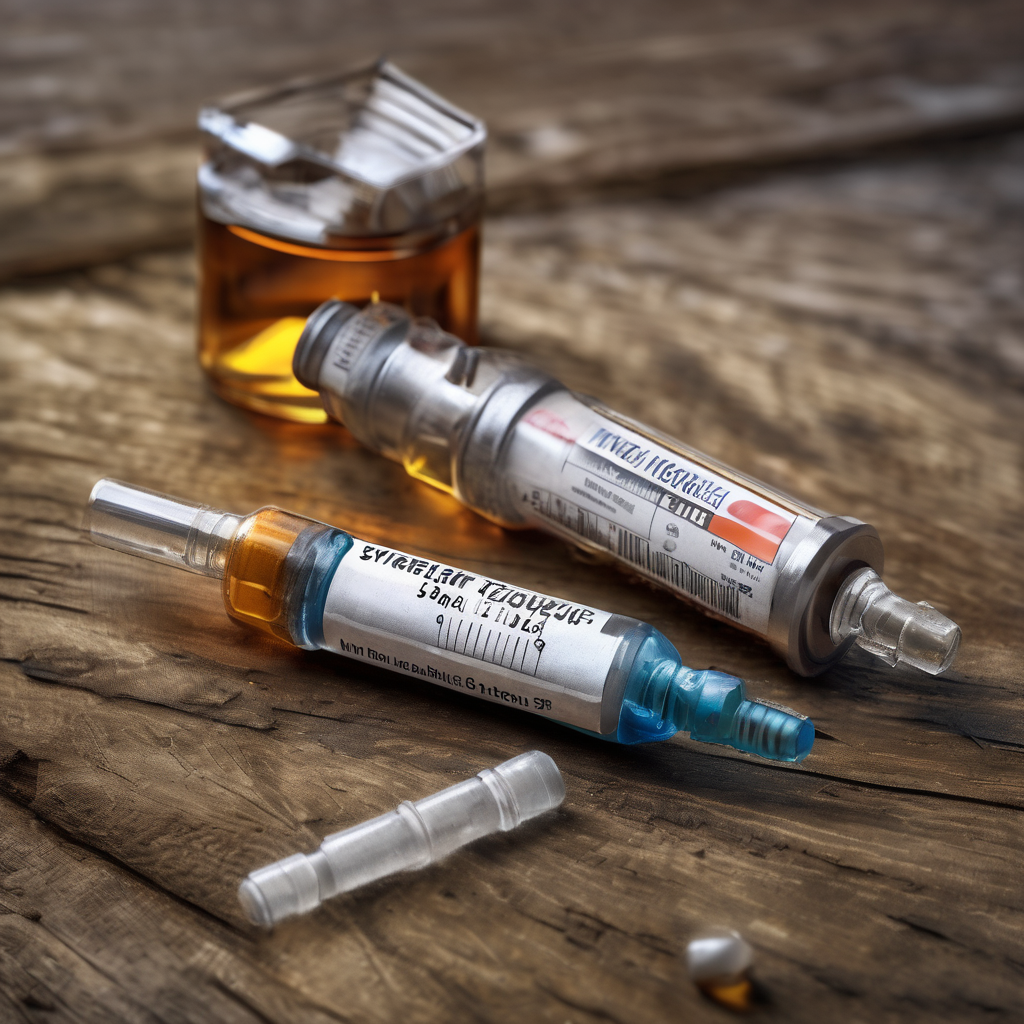
Sarah Hartsfield was convicted of murdering her fifth husband, Joseph Hartsfield, by administering a lethal dose of insulin in early 2023. Following an investigation that raised red flags surrounding Joseph’s sudden death, police reopened a case involving the 2018 fatal shooting of her former fiancé. In October 2025, Hartsfield was sentenced to life in prison.
The case began on January 7, 2023, when Sarah called 911, reporting that Joseph, who had diabetes, was unresponsive. After being rushed to a Texas hospital, he died a week later. Chambers County Sheriff Brian Hawthorne labeled the situation as a “suspicious illness.” Although the cause of death was initially determined to be undetermined, insulin toxicity was identified in Joseph’s autopsy. Prosecutors alleged that Sarah had deliberately administered the fatal dose, but she denied the accusations, claiming it was more likely that Joseph caused his own death through other medications he was taking that increased his insulin sensitivity.
However, Sarah’s history raised alarm. Prosecutors highlighted her tumultuous relationships, including a claim that she shot her former fiancé, David Bragg, in self-defense in 2018. While the initial investigation deemed the shooting justifiable, the recent murder case led authorities to revisit Bragg’s death, considering new evidence that raised doubts about Sarah’s narrative.
During the trial, evidence was presented that suggested a troubling pattern in her past relationships. Sarah had been married five times, and there were multiple allegations related to violent behavior and murder plots. In one instance, her brother testified that she allegedly set fire to their grandmother’s house, resulting in significant damage. Allegations of her attempting to have her former husband’s new spouse killed also surfaced, demonstrating a controversial and violent past.
Throughout the proceedings, the prosecution emphasized that Joseph was contemplating ending his marriage to Sarah and that he expressed fears for his life, apprehensive that she might “kill him in his sleep.” Testimonies pointed to unusual behavior from Sarah in the hours leading up to Joseph’s hospitalization, including sending messages from his phone with sensitive information shortly before his death.
Diagnosed and found guilty of first-degree murder, Sarah’s trial lasted a week, culminating in a jury deliberation of about an hour before reaching a verdict. Subsequently, she was sent to the William P. Hobby Unit in Marlin, Texas, to serve her life sentence. Soon after her conviction, Sarah filed an appeal and sought a new trial, alongside a change in her legal representation. She is currently eligible for parole in 2053, when she will be in her late 70s.
Sarah Hartsfield’s case has raised significant questions about the complexities of domestic relationships and the potential for a history of abuse to manifest into severe violence. As the judicial system navigates the intricacies of her case, it highlights the critical importance of recognizing and addressing patterns of behavior that can lead to tragic outcomes.