
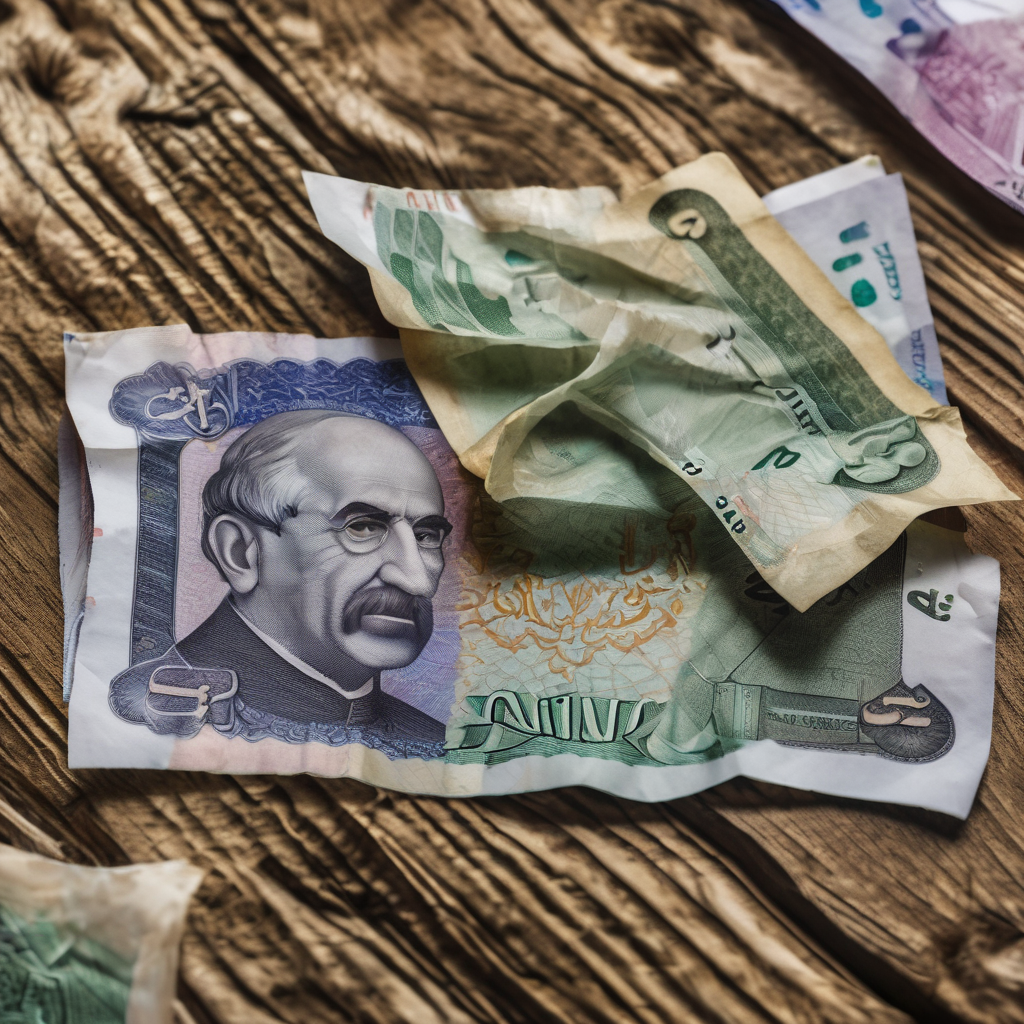
Iranians are facing mounting hardships as their economy continues to deteriorate amidst an energy crisis, severe water shortages, and alarming pollution levels. Protests have erupted in downtown Tehran as business owners respond to the spiraling value of the national currency, the rial, leading to widespread shop closures and demonstrations demanding change.
Recent protests were observed in the Jomhouri area, where shopkeepers near major tech and mobile phone shopping centers closed their businesses and voiced their frustrations. On Sunday, demonstrators gathered, chanting slogans such as “Don’t be afraid, we are together,” signaling growing unrest. The protests intensified on Monday, drawing more participants and extending to surrounding neighborhoods.
State responses have included significant police presence and measures to disperse crowds, with reports of tear gas being used against peaceful demonstrators. Footage from the protests shows shop owners in and around Tehran’s Grand Bazaar also urging fellow vendors to join their closure movement in solidarity with those affected by the economic crisis.
The Iranian state media has reported on the protests while attempting to downplay the anti-government sentiment, suggesting that the grievances are solely about economic conditions rather than opposition to the ruling theocracy established after the 1979 revolution.
The Iranian rial plummeted to a record low of over 1.42 million per US dollar recently, exacerbating economic woes. However, the economic struggles of the Iranian populace extend beyond currency devaluation. Iran faces a persistent energy crisis that contributes to severe air pollution, reportedly resulting in tens of thousands of deaths annually. Additionally, major water sources are alarmingly low, impacting many cities across the country.
American and Israeli pressure surrounding Iran’s nuclear program further complicates the nation’s economic landscape. A recent military confrontation claimed numerous lives and inflicted significant damage on Iran’s nuclear facilities, which are now subject to heightened scrutiny and restrictions.
The backdrop of these current protests echoes the civil unrest seen in 2022 and 2023, triggered by the tragic death of Mahsa Amini while in police custody. That period of protests led to the deaths of hundreds and mass arrests, as authorities blamed the upheaval on foreign interference and internal destabilization efforts.
In a recent address to parliament, President Masoud Pezeshkian highlighted the grim economic outlook while defending his government’s controversial budget proposal. With inflation hovering around 50 percent, he acknowledged the difficult balance between calls for wage increases and the necessity of raising taxes by an unprecedented 62 percent.
As these challenges mount, the resilience of the Iranian people is evident through their ongoing protests and communal solidarity. While the road ahead appears fraught with obstacles, the persistence of public dissent may signal an opportunity for change in a landscape marked by hardship.