
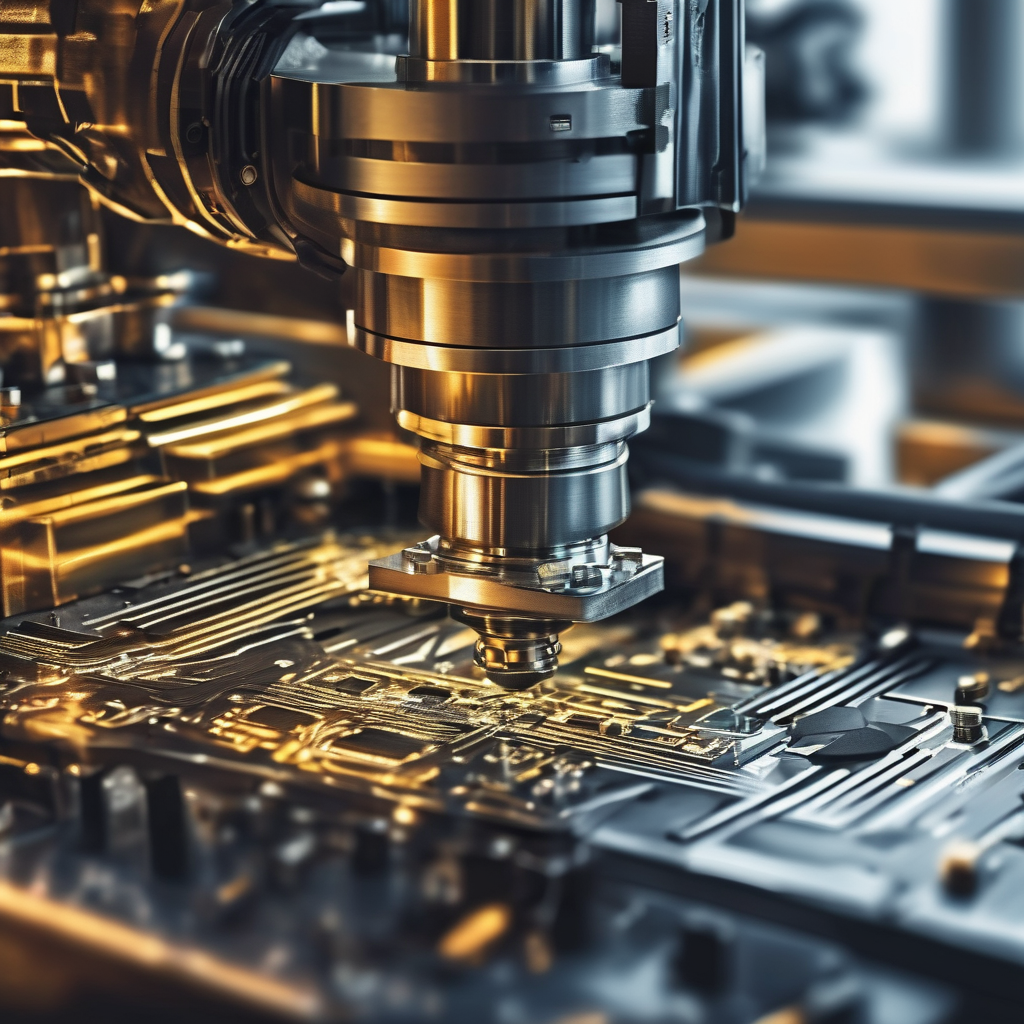
Manufacturing jobs in the United States are on the decline, raising questions about President Trump’s assertions that tariffs would lead factories to thrive and bring jobs back to the country. Despite promises that protective tariffs would bolster domestic manufacturing, recent data indicates a troubling trend as factories continue to shed jobs.
The decline in manufacturing employment highlights a complex economic landscape where various factors, including automation, global competition, and shifting consumer demands, play significant roles. Many factories are increasingly relying on technology and automated processes, reducing the need for a large labor force. Additionally, challenges such as supply chain disruptions and rising costs of raw materials further complicate the picture for U.S. manufacturers.
While Trump has touted tariffs as a means to protect American jobs, industry experts suggest that a broader strategy focused on innovation and workforce development may be necessary to reverse the downward trend. Economic recovery in manufacturing may hinge on adapting to the evolving market and investing in new technologies and skills for the workforce.
As the situation unfolds, it becomes apparent that the path to revitalizing American manufacturing is not solely through tariffs but requires a comprehensive approach. The focus on sustainable growth and the resilience of the industry may pave the way for a more promising future in manufacturing.