
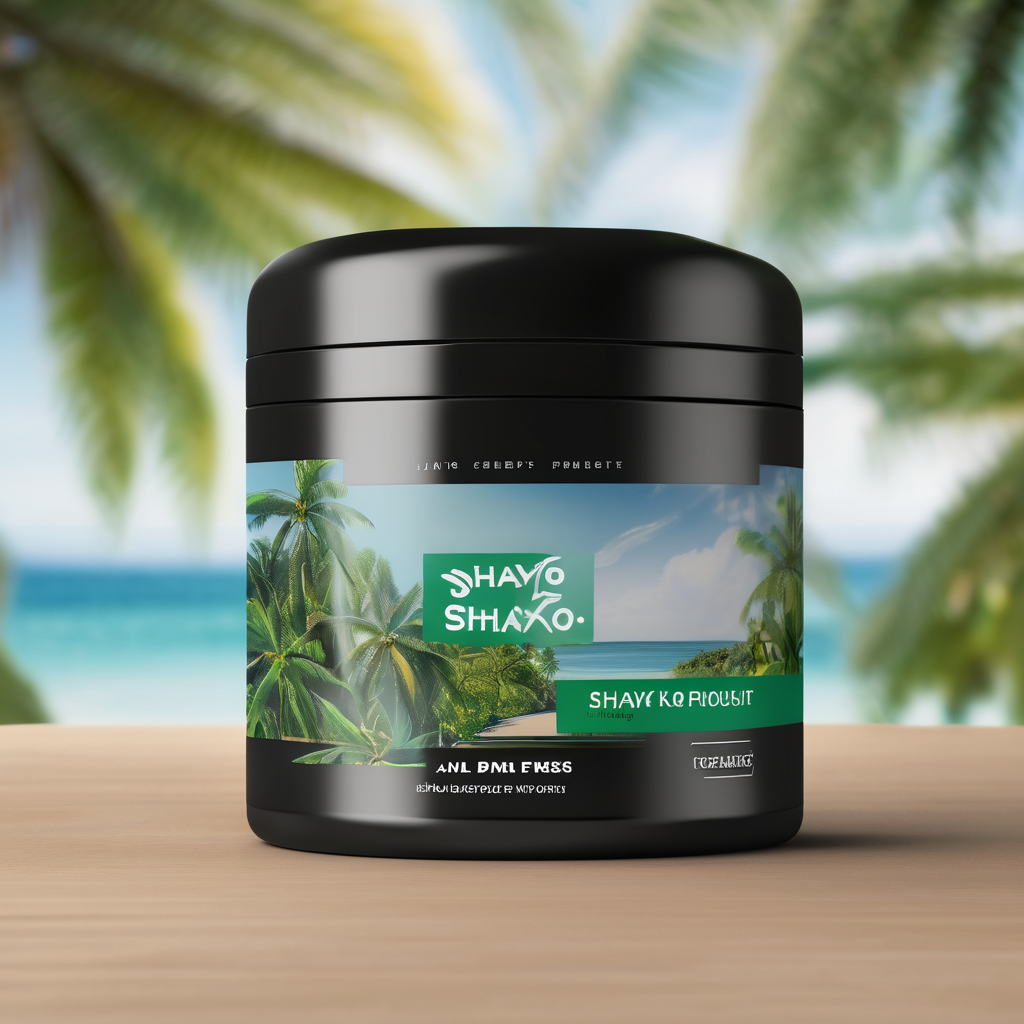
The drama surrounding *The Real Housewives of Potomac* has intensified as Wendy Osefo levels accusations against Stacey Rusch, claiming that the name of Rusch’s cannabis company, “SHAYO,” is an intentional act of revenge rooted in personal grudges. This revelation emerges from the contentious season nine reunion, where intense personal confrontations and competitive rivalries came to a head. The use of a Nigerian term, which means “to be happy,” has sparked accusations of cultural appropriation, complicating the narrative within both the cast dynamics and the broader context of the rising cannabis industry among women of color.
Osefo alleges that the branding choice was a targeted maneuver against her and her husband, Eddie, in response to claims made by Stacey’s ex-boyfriend, Thomas Anthony “TJ” Jones. Wendy expressed her belief that Stacey’s decision was a calculated attempt to retaliate: “I think that was the way for Stacey to get back at Eddie and me for doing the TJ thing.” This assertion not only adds layers to their personal feud but also highlights the strategic nature of branding in today’s competitive market.
Reactions from fellow cast member Gizelle Bryant introduce further nuance to the situation, as she questions the depth of Stacey’s motivations. “You think she’s that deep?” she asks, prompting Wendy to defend her stance. Such dialogue underscores the competition not just among the women personally, but also sheds light on the intersection of cultural significance and individual ambition within a broader, predominantly white industry.
The conflict echoes larger societal trends impacting the cannabis sector, particularly the increasing acceptance of cannabis in markets across the US, UK, Canada, and Australia. As perceptions shift from taboo to legitimate business, the demand for cultural authenticity has become paramount, placing brands from marginalized communities under heightened scrutiny regarding their brand narratives.
The unfolding feud between Osefo and Rusch is likely to have significant ripple effects. It raises questions about consumer perceptions of Stacey’s business amid allegations of disloyalty and cultural insensitivity. Audience reactions will be critical in determining whether Rusch’s brand can navigate these challenges successfully.
As we look to the future, key developments are anticipated. The rivalry between Wendy and Stacey is expected to escalate, potentially leading to more confrontational exchanges. Additionally, as viewers monitor consumer reactions to Stacey’s brand, the implications for industry standards around cultural appreciation and appropriation could prompt broader discussions among brands seeking genuine representation.
Ultimately, this complex interplay of personal grievances, cultural sensitivity, and the evolving landscape of the cannabis industry encapsulates the challenges faced by women of color entrepreneurs as they strive to establish a foothold in a space that is becoming increasingly competitive and conscious of cultural narratives.