
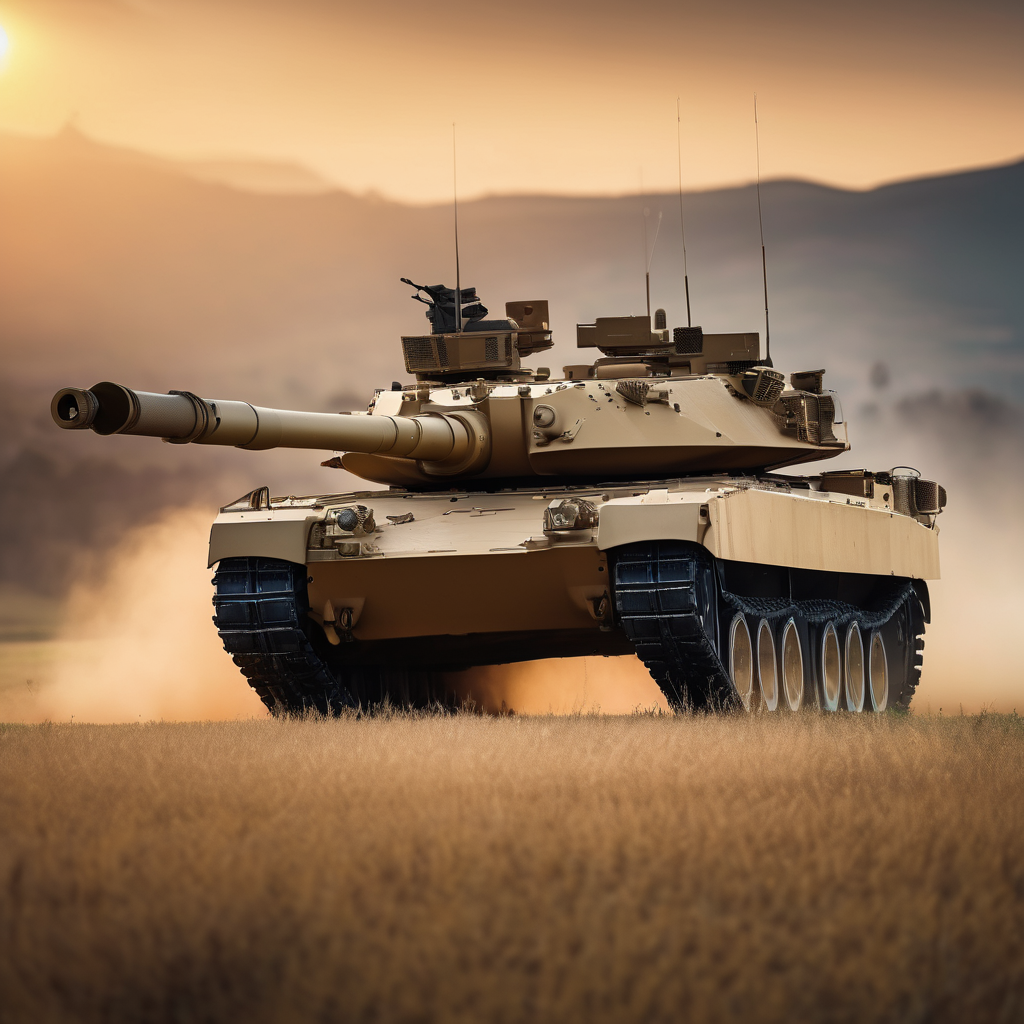
BERLIN — When NATO allies agreed to President Donald Trump’s call for nations to allocate 5 percent of their gross domestic product annually on defense, the defense industry was poised for a significant transformation. This shift particularly benefited the German defense contractor Rheinmetall, which has transitioned from a seemingly outdated relic of the Cold War to a dominant player in Europe’s military landscape.
Since Trump’s demand was made as he was elected president in December 2016, Rheinmetall’s stock has skyrocketed almost threefold. With a market valuation now exceeding $91 billion, its rise has outpaced iconic German brands like Adidas, Bayer, Lufthansa, and Volkswagen, positioning it as Europe’s leading arms manufacturer.
Rheinmetall’s ascendance is largely attributed to its CEO, Armin Papperger, who has taken a prominent role in Europe’s military expansion. With a background in mechanical engineering, he stepped into leadership at a time when German defense spending was barely over 1 percent of GDP and public sentiment leaned towards pacifism. Now, with a notable security concern due to Russia’s aggression, the landscape has changed drastically, with Germany pledging more than $100 billion to revitalize its military capabilities.
Just months after Russia’s invasion of Ukraine, Rheinmetall ramped up production of ammunition and armored vehicles, which are critical to Ukraine’s defense efforts. The company is also set to become the largest munitions factory in Europe in Unterlüess, Germany, further bolstering its production capacity.
Papperger has articulated a vision where Rheinmetall’s sales could rival those of leading U.S. defense firms like Lockheed Martin and Northrop Grumman. This ambition reflects not only a significant pivot in global defense dynamics but also underscores Europe’s existing anxiety in light of the changing security environment.
In recent months, Rheinmetall has experienced a surge in demand, resulting in a backlog of orders nearing $75 billion—anticipated to exceed $93 billion by year-end. Despite potential geopolitical shifts that could alter the landscape of military procurement, Papperger remains optimistic, arguing that NATO’s current focus on deterrence will sustain business continuity.
However, the rapid growth of Rheinmetall has not come without controversy. Some critics accuse Papperger of leading a “militaristic” shift within Germany, which has long been known for its cautious postwar approach. Activist groups like Rheinmetall entwaffnen have staged protests against the company’s expanding influence, linking Papperger personally to war profiteering.
Critics and supporters alike recognize the precarious balance between defense needs and the ethical implications of an arms industry boom. As NATO urges its member states towards unity in their military strategies, Rheinmetall’s evolution mirrors the broader shifts within Europe, highlighted by Germany’s increasing dominance in defense manufacturing.
In response to calls for cooperative efforts in defense, Papperger expressed confidence in the competitive nature of the industry, noting that the market would naturally accommodate various players as it evolves. As Europe roles towards rearmament, Rheinmetall stands at the forefront of a seismic shift, illustrating both the business potential of defense spending as well as the inherent tensions in evolving geopolitical landscapes.