
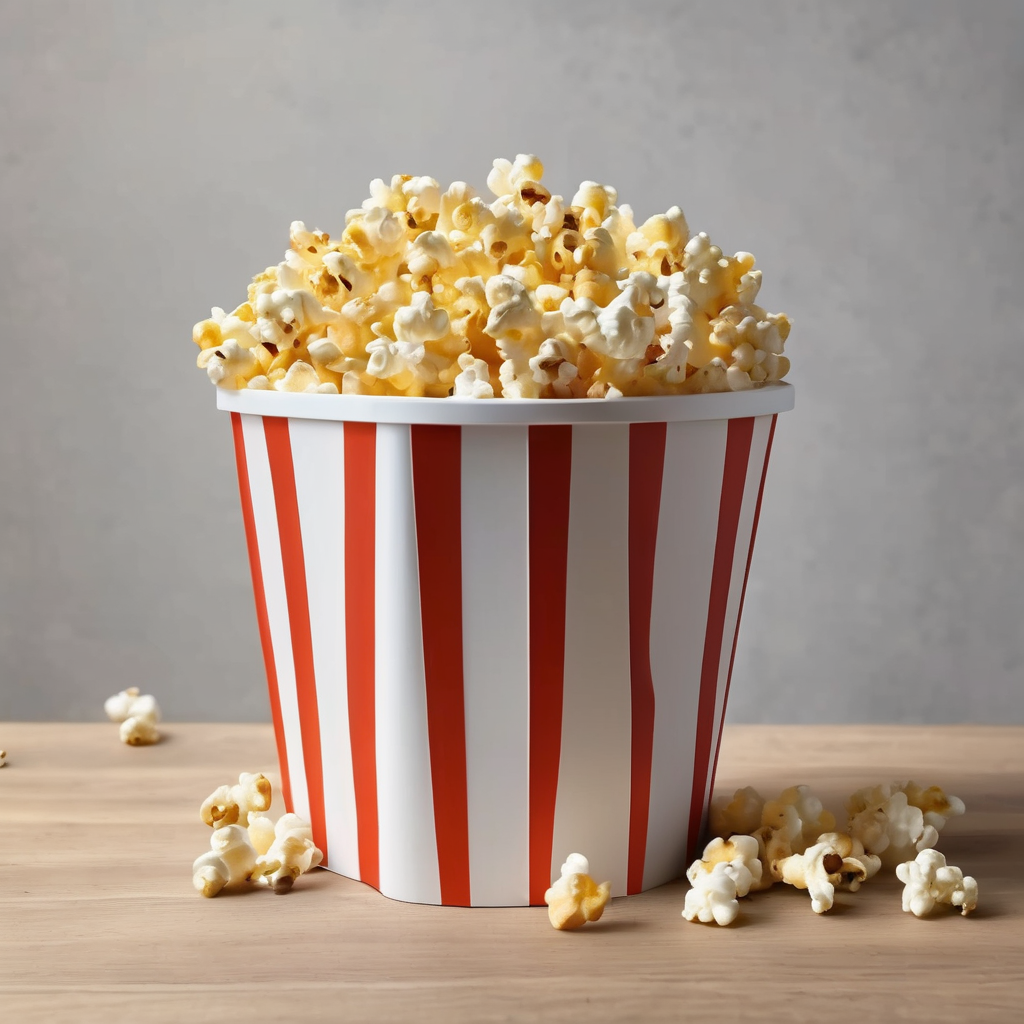
The trend of themed popcorn buckets has evolved into a popular collectible among movie enthusiasts, originating from limited-release items at theme parks and expanding into major movie theaters. Fans may recall unique designs, such as the quirky Dune bucket or the humorous Deadpool and Wolverine offerings. In recent years, however, significant film releases have embraced this collectible culture with specially designed buckets and cups. Notably, smaller film productions, like the upcoming Markiplier-backed project “Iron Lung,” are now exploring creative ways to engage fans. Through a partnership with Regal Cinemas, moviegoers can utilize their 3D printers to create customized buckets themed around the film.
The project encourages creativity by inviting participants to print their own popcorn buckets at home. Those who arrive at the theater with their creations during the opening weekend will receive free popcorn, further adding excitement to the experience. The design of the bucket is intricate and visually striking, providing an opportunity for fans to showcase their artistic skills.
While the concept of a 3D-printed popcorn bucket may be enticing, there are important safety considerations to keep in mind. The most popular filament used for 3D printing, polylactic acid (PLA), is generally deemed food-safe at room temperature; however, its food safety can be compromised during the printing process. Risks arise from lubricants on the printer’s mechanical parts, which can inadvertently transfer to the printed object. Additionally, the semi-porous nature of PLA can harbor bacteria, particularly if the bucket is not properly sealed after printing.
To enhance safety, it may be advisable to opt for polyethylene terephthalate glycol (PETG) filament—an alternative that offers better food safety characteristics—or to apply a food-safe sealant to the printed bucket. Although using 3D printing materials can introduce various challenges, the creative possibilities are exciting, and improvements in design and safety can lead to a thriving culture of fan-supported collectibles.
However, potential drawbacks include the material waste generated during the printing process. The Iron Lung bucket design consists of two separate parts, each requiring a substantial amount of filament. The design process also includes intricate components that may necessitate support structures during printing, which can lead to increased costs and complexity.
Despite these concerns, the spirit of community engagement and accessible fan participation remains strong. As cinemas seek innovative ways to connect with their audiences, the conversation around 3D-printed collectibles like the Iron Lung popcorn bucket demonstrates how fandom can inspire creativity and enhance the moviegoing experience. With some modifications and careful consideration, these early efforts could pave the way for an exciting era of unique themed memorabilia in the film industry.