
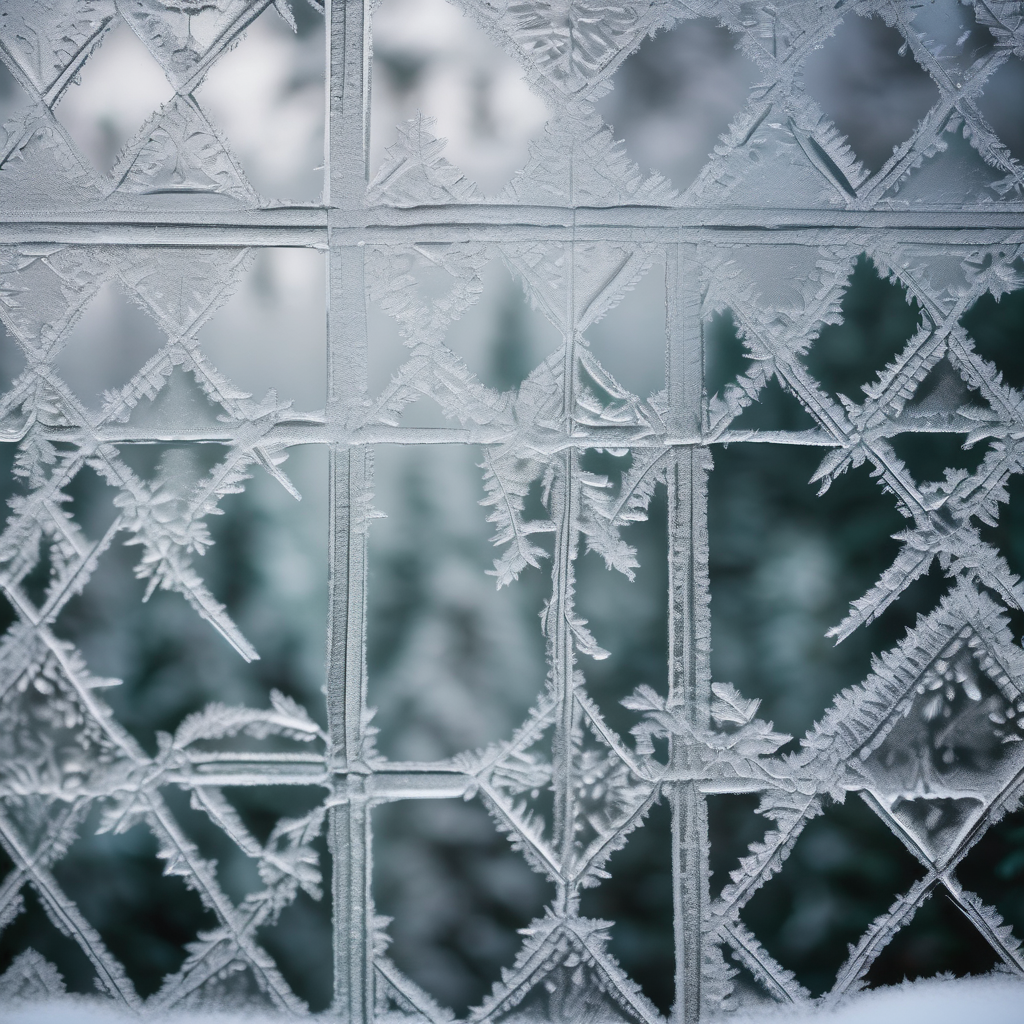
A significant cold snap is set to envelop much of the United States as a wave of arctic air from Canada sweeps down, leading to frigid conditions across the Midwest, Mid-Atlantic, and Southern regions. The current winter storm is predicted to unleash a mix of snow, sleet, and ice from Texas and Oklahoma to the Carolinas, pushing temperatures well below freezing.
Forecasts indicate that major cities such as Philadelphia will experience daytime highs barely reaching the low 20s, with “feels like” temperatures plunging into the teens. This stark drop in temperature is attributed to a polar vortex, a large upper-air weather pattern that usually keeps the coldest conditions near the North Pole but can occasionally shift southward, affecting the U.S., Europe, and Asia.
Recent studies signal that such arctic outbreaks may persist over the coming decades, even as the Arctic region itself continues to warm at an accelerated rate. Research published in the journal Environmental Research: Climate indicates that the frequency of these polar air blasts will not diminish.
The polar vortex typically holds the harshest winter conditions tightly around the North Pole, but disturbances in the jet stream can lead to segments of this vortex pushing further south. The National Oceanic and Atmospheric Administration (NOAA) has observed shifts in the polar vortex that may coincide with these sudden temperature drops, suggesting the potential for more arctic air incursions in the near future.
As the cold sets in, individuals should be wary of the increased risk of frostbite in subfreezing temperatures. The National Weather Service (NWS) employs wind chill calculations to give insight into the dangers posed by low temperatures combined with wind speed. The NWS’s wind chill index is a valuable tool for understanding how these conditions can elevate risks during extreme cold spells.
Forecasters urge residents to prepare for the approaching winter blast and stay informed about changing weather patterns as the last week of January approaches, cautioning that while mild temperatures have recently swept across parts of the country, the return of chilling air is imminent.