
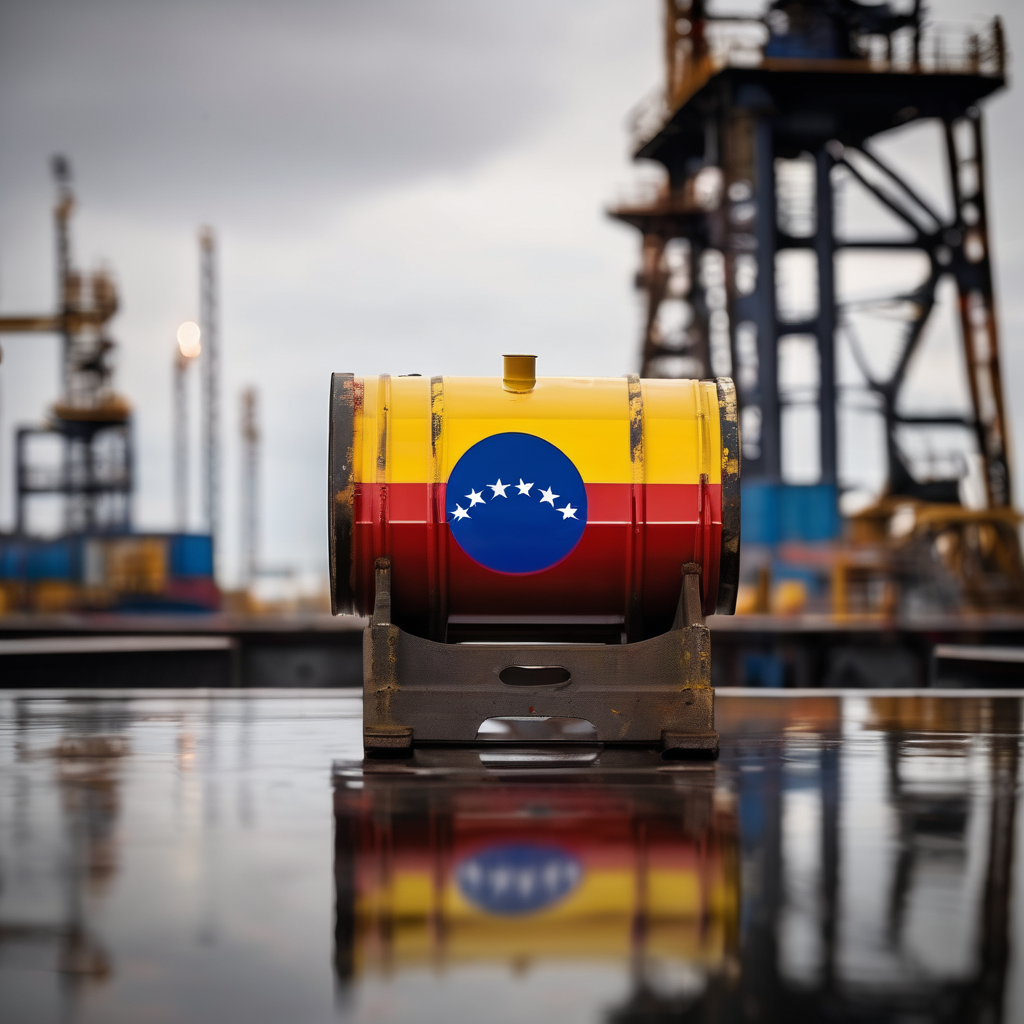
Colombia’s leftist President Gustavo Petro expressed serious concerns about the future of Venezuela under U.S. oversight, predicting it would “implode” if such control were to extend for an indefinite period, as suggested by former President Trump. Petro’s comments came during an interview with CBS News, highlighting the potential repercussions for Venezuelan society should U.S. intentions materialize into prolonged governance.
Petro emphasized the broader implications of U.S. intervention, stating, “there’s a crucial point that’s not only about Venezuela but about the idea that the United States has a right over the resources of not only Latin America, but the world.” His remarks reflect a growing anxiety regarding foreign influence on Latin American nations, particularly amidst discussions about revamping Venezuela’s oil sector.
Former President Trump has advocated for U.S. control in selling Venezuelan oil and is encouraging American firms to invest heavily in revitalizing the country’s oil infrastructure. This Friday, he is set to convene with oil executives at the White House to deliberate on these plans.
The dialogue between Trump and Petro, which took place this past Wednesday, marks a noteworthy moment in their relationship. The conversation seemed to alleviate some rising tensions, particularly after Trump had threatened military action against Colombia in a bid to combat narcotics trafficking. Following their discussion, Trump extended an invitation to Petro to visit the White House.
Petro also critiqued Venezuelan opposition leader María Corina Machado, whom Trump plans to meet next week. On the issue of supporting Machado’s leadership, Petro noted his past invitation to her, which she declined, expressing surprise that Trump shared his sentiments regarding her viability.
Despite internal strife, Machado has garnered significant support, polling at 93% before an election in which her opponent, Nicolás Maduro, was accused of fraud. While Trump indicated skepticism about Machado’s leadership potential, pointing to a lack of domestic support, Petro’s comments reflect a complex interplay of internal and external factors shaping Venezuela’s political landscape. The situation remains fluid, with ongoing discussions and developments likely to influence the region’s stability and relationships in the coming months.