
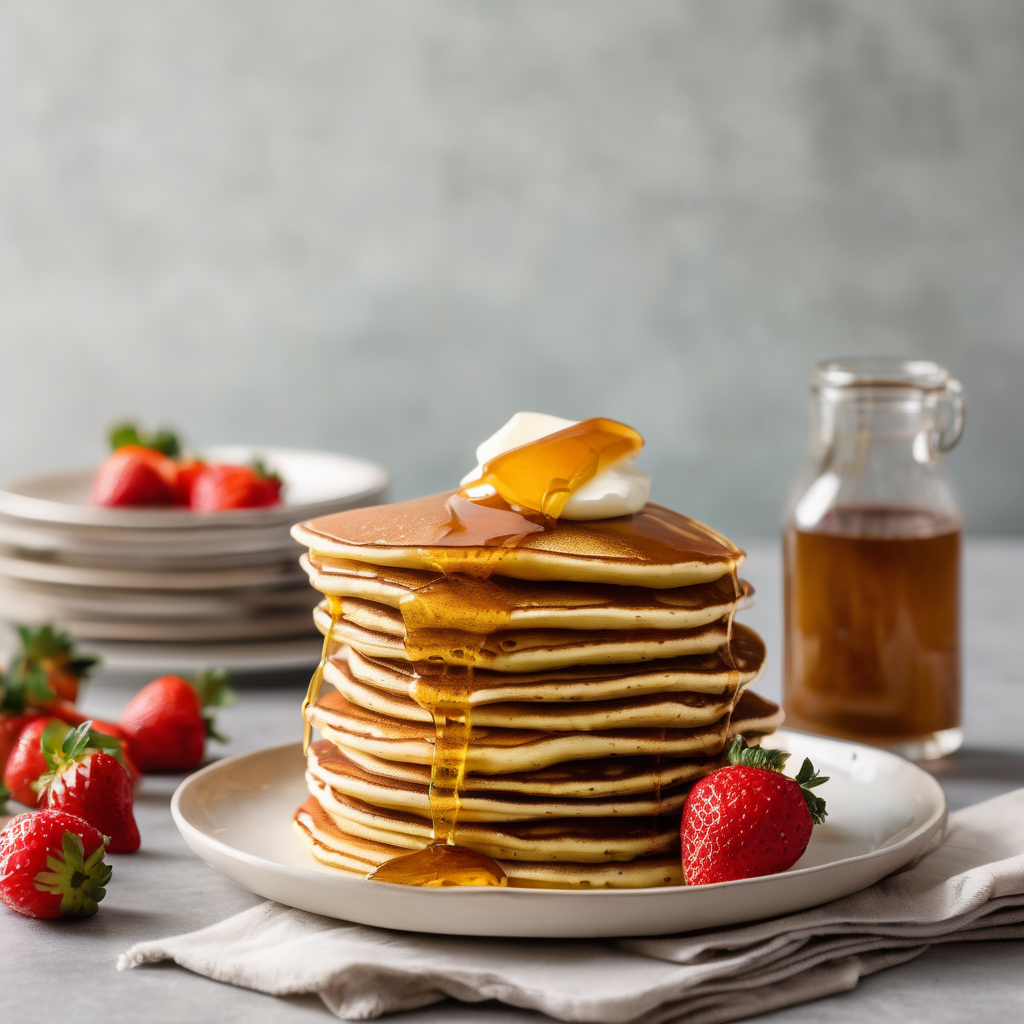
As Pancake Day approaches, it’s a perfect time to delve into the intriguing history of this beloved dish. Originating in England, pancakes have long been associated with Shrovetide, the period leading up to the Lenten Fast, when various rich ingredients were used up to avoid temptation during the 40 days of fasting before Easter. Traditionally made thin and crispy, early pancakes were crafted from eggs, cream, butter, and lard, which were all prohibited during Lent.
Historical recipes showcase a fascinating evolution of pancake preparation. In the past, pancakes were often flavored with ingredients like ale, reminiscent of the beer-battered fish we know today. A notable recipe from the Tudor era combines thick cream, egg yolks, a handful of flour, and a splash of ale, seasoned with sugar and spices. The batter was then cooked in a generous amount of butter until crispy.
The acclaimed writer Gervais Markham’s 1615 publication, “The English Housewife,” features a recipe for pancakes which advises using water instead of milk to achieve a more pleasant texture. He emphasizes that a batter made with water yields pancakes that are crisp rather than tough.
The interplay between pancakes and fritters was evident as early as 1661, when diarist Samuel Pepys enjoyed a lively gathering where pancakes and fritters were served. Interestingly, the terms were frequently used interchangeably during the 16th and 17th centuries; with fritters typically containing fruit. Recipes from that time often elaborate on extravagant ingredients that would have delighted the gentry, indicating how pancakes were more than just a simple fare.
In the 19th century, the combination of lemon juice and sugar as a pancake topping made its first documented appearance, further enhancing the traditional dessert. A recipe from Elizabeth Hammond’s “Modern Domestic Cookery” recommends a batter enriched with nutmeg and ginger, fried in hot lard, and served with a sprinkle of powdered sugar and lemon juice.
The 20th century saw a shift towards more refined ingredients, marked by the introduction of self-raising flour by Be-Ro in 1923, which prompted many families to adopt new recipes. This brand’s small cookbook, still available today, featured pancake recipes that required precise measurements, a stark contrast to earlier practices.
Modern pancake recipes have further evolved, yet the essential enjoyment of the dish remains firmly intact. Whether one prefers the simplicity of a Be-Ro pancake or a more elaborate variant, the rich history behind pancakes reminds us that they need not be confined to Shrove Tuesday. Instead, pancakes can brighten up any day, inviting everyone to indulge in the delightful tradition that spans generations.