
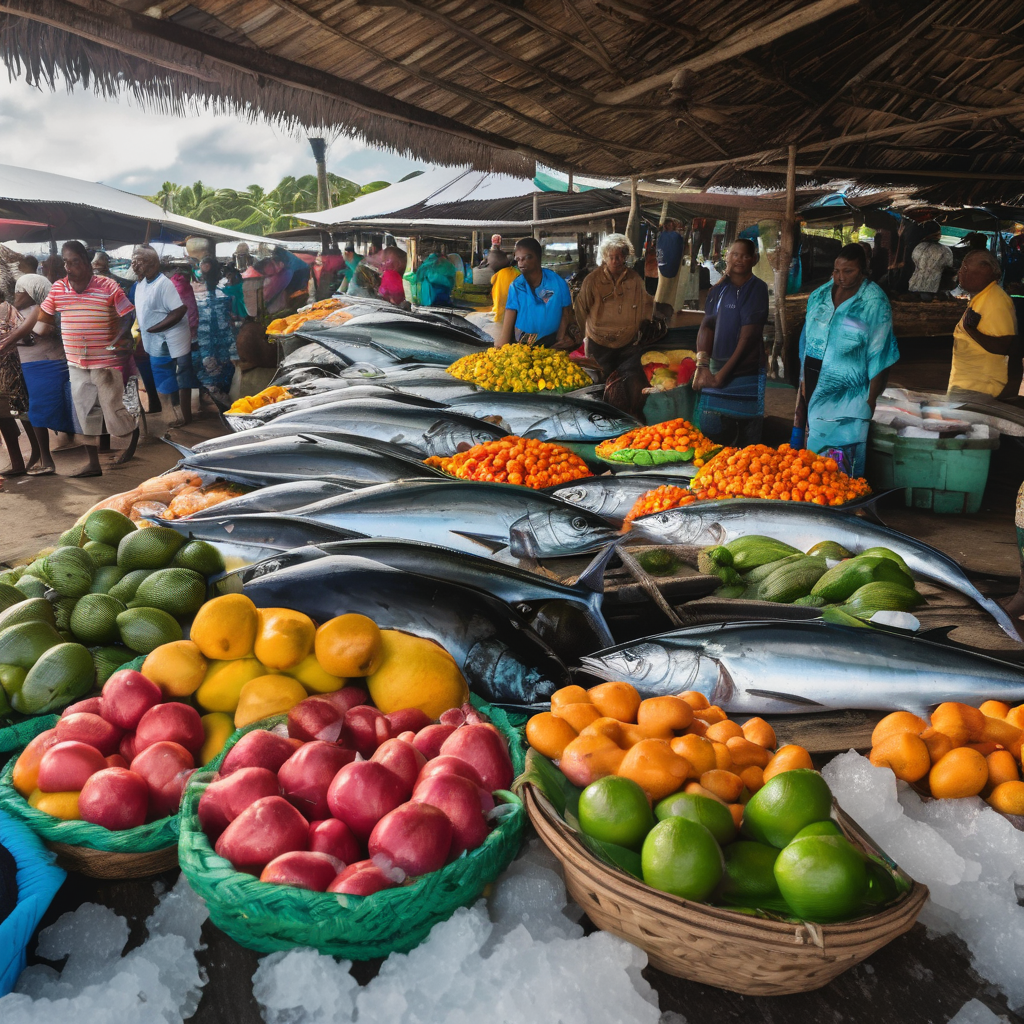
The tuna resources of the Blue Pacific are crucial for the economic resilience and sovereign decision-making of member nations. As a vital natural resource, tuna plays a significant role in underpinning national budgets and development initiatives across many countries in the region.
During the Second Development Partner Symposium, Noan David Pakop, the Director-General of the Pacific Islands Forum Fisheries Agency (FFA), emphasized the importance of tuna revenues in supporting public services and enhancing economic stability for member countries. For some nations, tuna represents the primary natural resource, making its sustainable management essential for both economic and environmental sustainability in the Blue Pacific region.
The establishment of a regional fisheries agency 50 years ago marked a significant step toward the sustainable management of these resources, leading to the development of what are now recognized as some of the world’s most sustainable tuna fisheries. Pakop highlighted this legacy, stating it demonstrates the foresight of Pacific leaders in fostering regional cooperation and responsible resource management.
Currently, the FFA is adapting to a complex array of challenges, including climate change, technological advancements, and shifting geopolitical dynamics that impact fisheries management. These evolving conditions—such as climate variability, changing fish stocks, and increasing geopolitical interests—call for improved coordination and collaboration among the region’s countries.
In light of these challenges, the Secretariat is committed to enhancing governance and operational effectiveness, driven by independent performance reviews that inform improvements. A new strategic plan is set to be presented to ministers in June, aiming to ensure that the Secretariat can navigate this rapidly changing environment sustainably.
The symposium is a key opportunity to strengthen collaboration in sustainable fisheries management, with the theme “Casting Together for Impactful and Sustainable Fisheries” underscoring the necessity for coordinated regional initiatives. Pakop noted that successful management will rely on strategic cooperation, mutual trust, and timely action among member nations and partners. The discussions fostered at the symposium will contribute to shaping future investments and policy directions for sustainable fisheries throughout the region.
Through shared responsibility and collective action, the symposium aspires to enhance the long-term stewardship of tuna resources, the Blue Pacific’s most valuable shared asset. With a commitment to transparency and partnership, the FFA encourages open dialogue on improving resource management strategies that will benefit all member nations moving forward.