
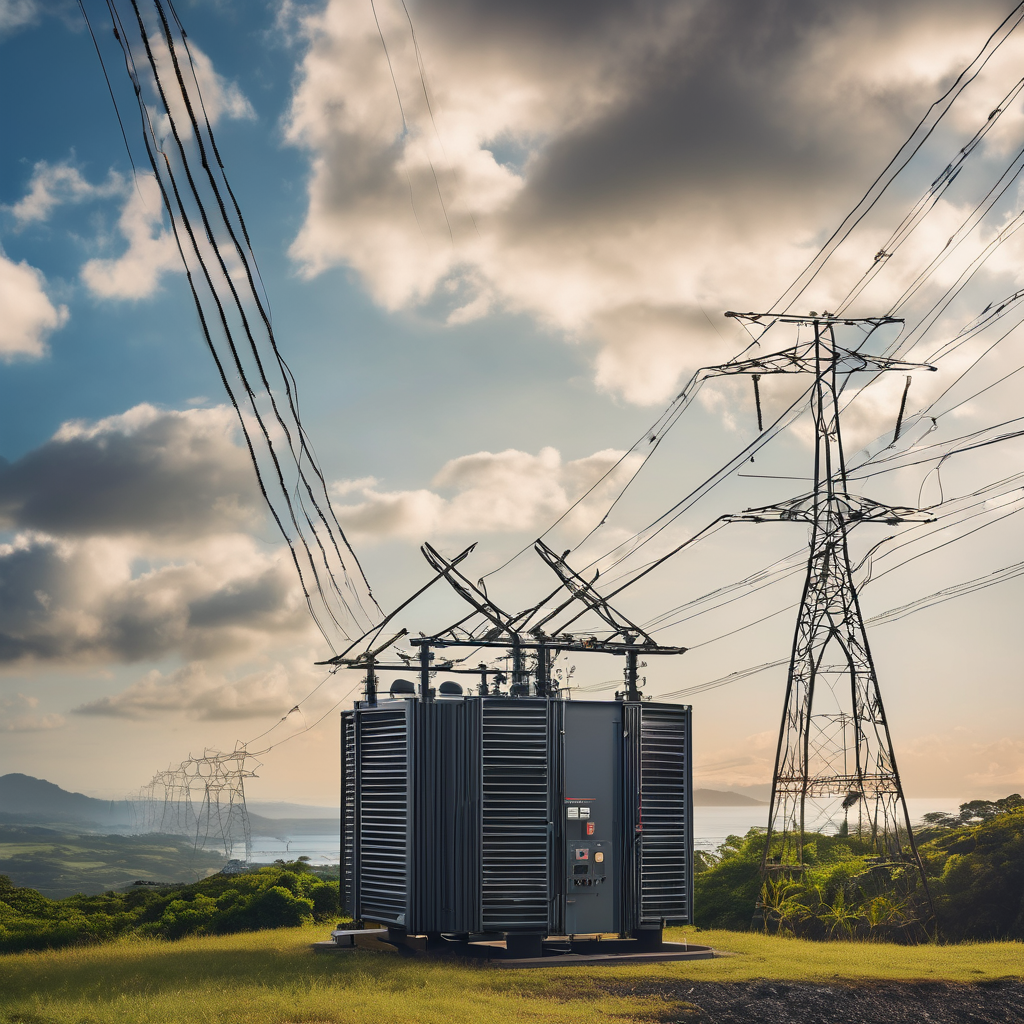
Energy Fiji Limited (EFL) has highlighted that a small segment of its consumer base is responsible for a substantial load on the national power grid, which has led to the implementation of higher tariffs for large users. In a recent public notice, EFL revealed that about 1% of its customers account for roughly 31% of the total electricity consumption in Fiji. This concentration of demand necessitates a grid that is capable of supporting the needs of a relatively minor yet energy-intensive group.
EFL emphasized that the electricity system must be capable of handling peak demands while ensuring reliability, a requirement that entails significant investment in infrastructure. CEO Fatiaki Gibson explained that adequately serving high-consumption customers demands substantial resources including large power generation facilities, sophisticated machinery, expansive transmission and distribution networks, as well as a skilled workforce.
In light of these considerations, EFL maintains that it is just for those who exert the greatest pressure on the system to contribute more to its upkeep and development. The company also reassured stakeholders that its approach to tariffs has undergone rigorous evaluation.
Gibson stated that the tariff levels have been independently assessed, with financial and cost assumptions reviewed by a globally recognized audit firm, aligning their strategy with international best practices. The utility framed its pricing structure as a means to ensure that Fiji’s electricity supply remains reliable and financially viable, while promoting fairness for all consumer categories.
This proactive stance by EFL reflects its commitment to maintaining a balanced and sustainable energy landscape in Fiji, while highlighting the importance of responsible consumption amongst its users.