
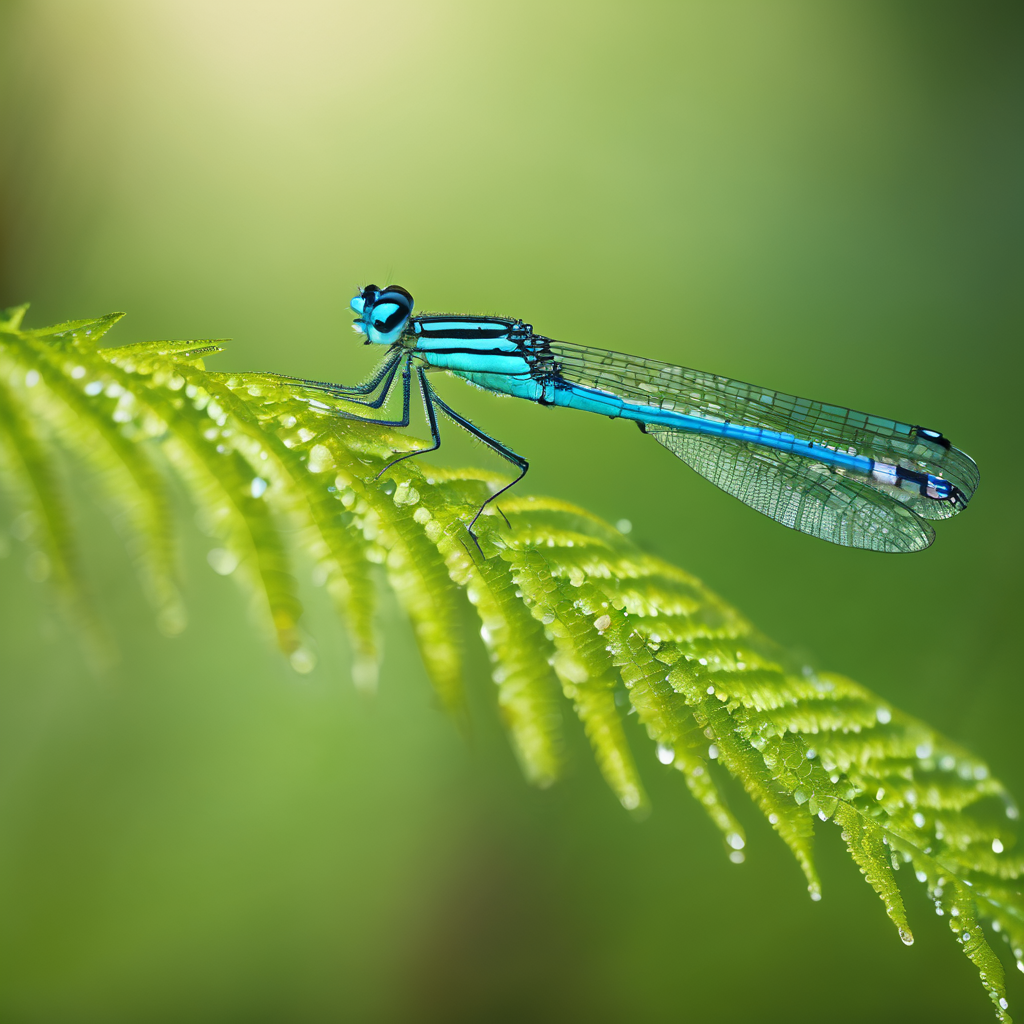
A PhD scholar from The University of the South Pacific (USP) has made impressive strides in the field of Pacific freshwater ecology by co-authoring the identification and documentation of eight new endemic species of damselflies, along with establishing a new genus specific to Fiji. The newly identified genus, Nikoulabasis, was officially recognized in 2023 through collaborative research conducted by the South Pacific Odonata Group. Since its inception, six species of Nikoulabasis have been described, found across islands such as Kadavu, Moala, Koro, Vanua Levu, and Viti Levu.
Bindiya Rashni’s efforts are part of her PhD journey and have significantly contributed to scientific literature in the region, solidifying her role as a national expert with the IUCN Species Survival Commission Dragonfly Specialist Group. At the start of her PhD program, the endemic damselfly genus Nesobasis included 16 species, ranking it as the second most diverse island endemic damselfly genus globally, following Hawai‘i’s Megalagrion. By the end of her research, the number of species within Nesobasis expanded to 30—four of which were newly described by Rashni—making it the most diverse island endemic damselfly genus in any oceanic island system.
Rashni, who is based at USP’s Laucala Campus, is nearing the completion of her PhD in Biology with a specialization in Hydrobiology. She holds a Bachelor of Marine Science and a Master of Marine Science with a focus on Freshwater Ecology from USP. Recognized as the Pacific’s first female freshwater scientist, Rashni highlights the importance of community stewardship of wetlands, advocating for the education of children to learn about their natural environment.
In 2025, Rashni was honored with the Peter Gänßler Award, which provided her with both financial support and mentorship for her research. Her work has been backed by partnerships with international institutions, including Stanford University and the Universidade de Vigo, along with support from Conservation International Fiji.
Her research interests encompass small island freshwater biodiversity, environmental impact assessments, biomonitoring, climate resilience for river communities, and the integration of indigenous ecological knowledge into conservation practices. Recognizing an educational gap in river science in Fiji, Rashni initiated the River Citizen Science Toolkits, which provide accessible and cost-effective resources for students and communities to engage in freshwater monitoring and conservation efforts.
As the global community prepares to observe World Wetlands Day 2026, themed around Wetlands and Traditional Knowledge, Rashni emphasized the crucial role of wetlands in supporting Pacific island communities. She stated, “Wetlands are the lifeblood of our islands; they filter our water, protect us from floods, and quietly sustain biodiversity that exists nowhere else on Earth.” She further underscored the need to protect these ecosystems amidst growing climate pressures, framing it as essential for safeguarding food security and cultural heritage for future generations.
Looking forward, Rashni aspires to establish a Pacific Rivers Institute that will focus on freshwater research, education, and community involvement throughout the region. Aspiring students interested in contributing to groundbreaking research or addressing national and regional priorities are invited to apply for Semester 1, 2026 studies at The University of the South Pacific. Additional information on program requirements and application details can be found on the university’s official website.