
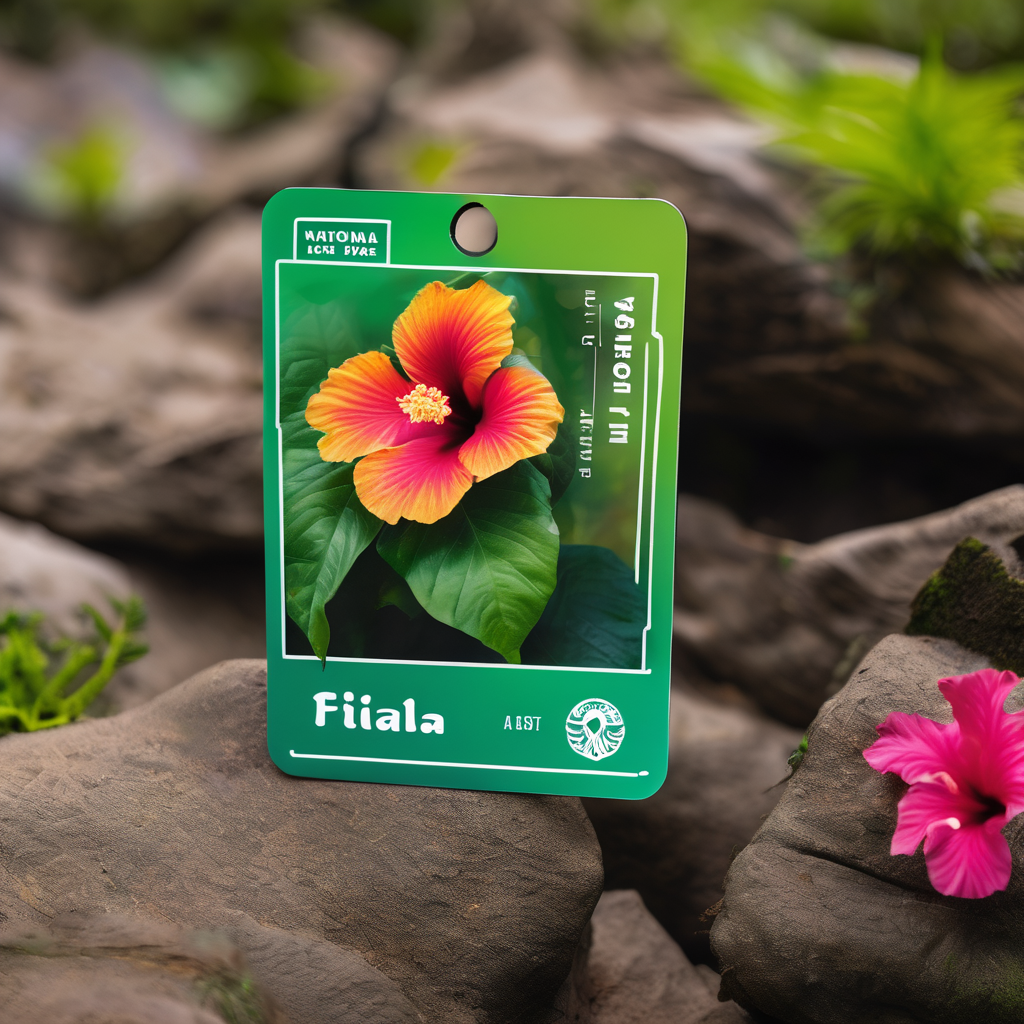
The release of the new design for the annual National Park passes has sparked considerable debate among park enthusiasts and artists alike. Unveiled by the Interior Department in November, the 2026 design shocked many long-time passholders as it deviated from the traditional inclusion of native flora and fauna, opting instead to feature images of President Trump alongside George Washington.
This change has drawn a mixed response, with supporters of Trump viewing the imagery positively, while many conservationists and park lovers raise concerns. Following cuts to National Park Service funding and staff in 2025, as well as the unexpected design choice, a lawsuit was filed by an environmental nonprofit citing a violation of a federal law mandating that national park passes showcase images from a public photography contest, held annually by the National Parks Foundation.
In response to the issues surrounding the new design, a wave of creative solutions has emerged from several artists. Ecologist and artist Jenny McCarty from Colorado began selling stickers aimed at helping passholders cover the images of the former president and Washington with more appealing visuals like mountains and wildlife.
The controversy has also led to updates on the Interior Department’s “Void if Altered” policy, which has historically stated that altering a pass could render it void. This policy update now clarifies that attaching stickers could also lead to losing the validity of the pass. Nevertheless, this guidance has not stopped the flow of artistic alternatives, with artist Mitchell Bowen announcing the sale of $12 protective plastic sleeves adorned with elegant designs of national parks. His approach offers a removable option for those who wish to obscure the presidential images without permanently altering the pass, with Bowen also pledging a portion of proceeds to the National Parks Foundation. His announcement quickly garnered significant attention, amassing over 1.5 million views within a day.
Legal experts note that the redesigned passes fail to adhere to the Federal Lands Recreation Enhancement Act, established in 2004, which dictates that pass designs must include landscapes and wildlife chosen through public participation. According to the lawsuit, the current pass is a violation due to the lack of any contest-winning imagery.
Kierán Suckling, executive director of the Center for Biological Diversity, has vocalized concerns regarding the ban on stickers covering Trump’s face, arguing that while altering critical information on the pass could be deemed fraudulent, covering a political figure’s image is a form of free expression.
Despite the turbulence surrounding the passes, the innovative responses from designers and artists reflect a hopeful community spirit, encouraging creativity and engagement with the land. As more people express their views through art, the dialogue around national parks and their representation is strengthened, creating a vibrant intersection of conservation and creative expression.