
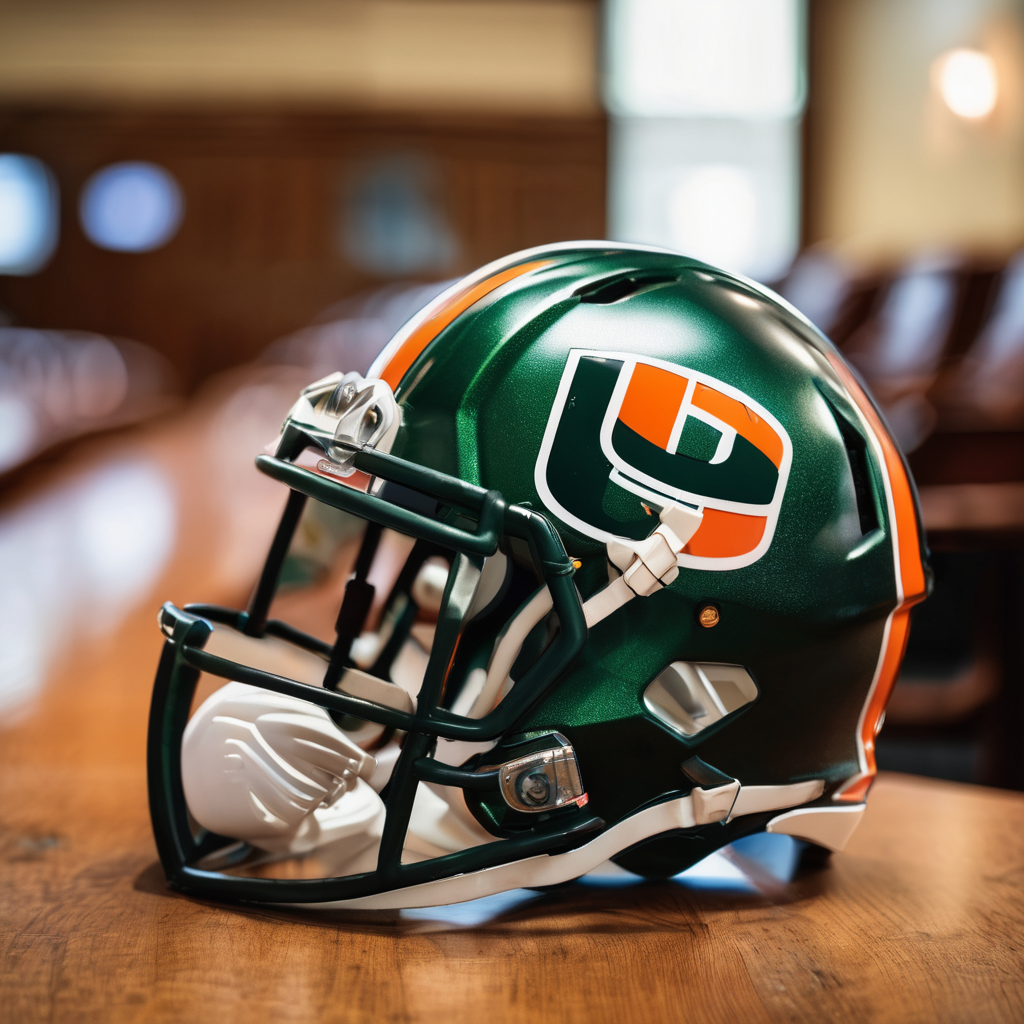
A Miami judge declared a mistrial on Monday in the murder case against former Miami Hurricanes player Rashaun Jones, who has been accused of shooting teammate Bryan Pata back in 2006. The decision came after jurors, who had deliberated for two days, indicated they were deadlocked, with one juror revealing that only one of the six had expressed a desire to convict Jones.
Florida 11th Circuit Judge Cristina Miranda attempted to encourage the jurors to continue deliberating, but after an additional hour, they confirmed their inability to reach a unanimous verdict. The juror who spoke anonymously commented on the state’s weak case, pointing out the circumstantial nature of the evidence and stating that the prosecution did not meet the burden of proof.
According to Florida law, following a mistrial, prosecutors have the option to retry the case with a new jury within 90 days. As of now, prosecutors have not made any public comments regarding their next steps. Jones’s attorney, Sara Alvarez, expressed confidence in her client, who has been incarcerated since his arrest in 2021 and emphasized that they would likely present new evidence if the case goes to retrial.
The case centers around a tragic event wherein Pata was shot and killed, prompting years of investigation. Testimony during the trial included accounts from nearly two dozen witnesses who discussed prior altercations between Jones and Pata, as well as other details suggesting a motive stemming from personal relationships. Supporters of Pata’s family, including his brother Edwin, expressed a commitment to continuing the fight for justice, despite the setback.
The evidence presented against Jones was largely circumstantial, with police acknowledging significant missteps and delays in the investigation. The prosecution’s case leaned heavily on a witness, Paul Conner, who claimed to have seen someone leaving the crime scene. However, defense attorneys challenged the credibility of his testimony extensively during the trial.
The deadlock follows a lengthy judicial process in which Pata’s family had long fought for closure, leading to an intense focus on the unsolved case. The University of Miami player was well-regarded, with aspirations for a career in the NFL, making his untimely death even more poignant.
ESPN’s investigation into the case unveiled numerous complications, including repeated missteps by law enforcement and multiple leads that were not pursued as thoroughly as they could have been. The saga surrounding Pata’s murder gained renewed attention amidst ongoing public interest and reporting, which highlighted the complexities of the legal proceedings that ensued.
As the courtroom drama unfolds, hope remains for both families involved, with continued calls for justice echoing amid the uncertainty of a retrial. The commitment from Pata’s family and their supporters to seek justice underscores the ongoing emotional toll the case has had over the years. The complexities of this case reflect not just individual loss, but also larger themes of justice and accountability that resonate deeply within the community.