
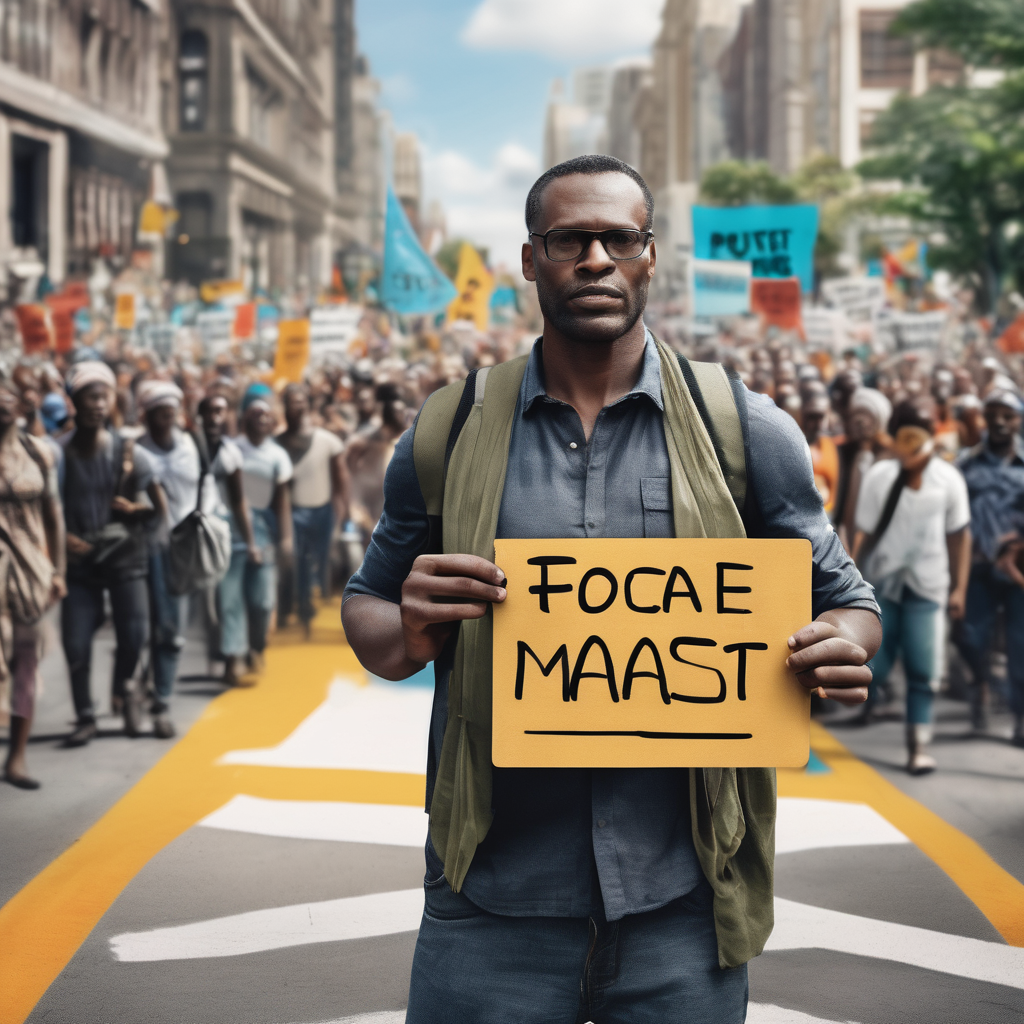
Hundreds of protesters gathered in Minneapolis on January 9 to express their outrage against Immigration and Customs Enforcement (ICE) following the tragic shooting death of 37-year-old Renee Nicole Good. Good was shot and killed by a U.S. immigration agent while in her vehicle on January 7, triggering widespread indignation and demands for justice.
Aerial footage captured the scene as demonstrators filled the streets, holding banners and flags to convey their anger over the incident. The shooting has led to a heated debate, with officials from the Trump administration asserting that the agent acted in self-defense, claiming Good attempted to drive her car at the officer and labeling her actions as “domestic terrorism.” Many protesters, however, vehemently reject this portrayal, arguing that it misrepresents the reality of the situation.
The agent involved in Good’s death was part of a large operation involving approximately 2,000 federal officers deployed to the Minneapolis–St. Paul area, which is known for having the largest Somali community in the United States. The Department of Homeland Security has characterized this as one of its most significant operations to date, although the name of the involved agent has yet to be revealed.
As the community seeks justice for Renee Nicole Good, the incident highlights pressing concerns regarding accountability in law enforcement and the treatment of immigrant communities. The protests reflect a broader call for reform in immigration enforcement practices, emphasizing the necessity of fostering a dialogue that prioritizes safety and respect for all individuals involved. This moment could serve as a catalyst for important change within the system, showcasing the power of collective voices in pursuing justice.