
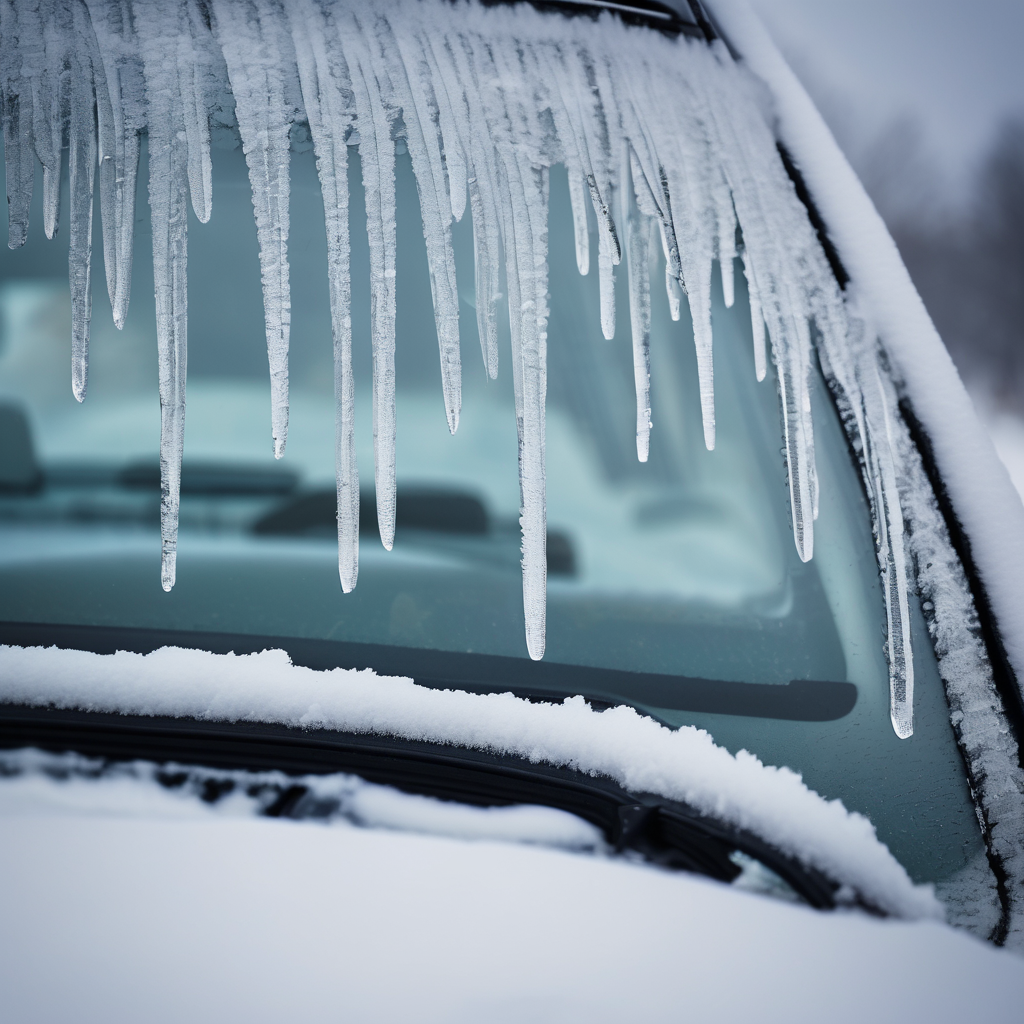
As dangerously cold temperatures sweep across Milwaukee and other parts of Wisconsin this weekend, drivers are advised on best practices to protect their vehicles amid the frost. The AAA emphasizes that warming up cars while idle is not an effective method for preventing freezing. Instead, drivers are encouraged to start their vehicles and immediately begin driving after fastening their seatbelts.
David Bennett, the senior automotive manager at AAA, advises, “If it’s cold, there’s no snow, no ice, start the vehicle, get in, put on your seat belt, adjust the mirrors, and then just start driving the vehicle normally. That’s the best way to heat up the engine and allow the heat to warm up the interior.” He also mentions that letting a car idle for several minutes wastes fuel.
To avoid winter breakdowns, it’s crucial for drivers to check their antifreeze levels, as it helps prevent engine freeze-ups and protects the vehicle from rust and corrosion. Monitoring the battery and charging systems is equally important during extreme cold, as a fully charged battery ensures reliable starts. Cleaning battery posts and cable connections can also enhance performance in frigid conditions.
Cars may struggle to start in cold weather if the battery isn’t fully charged. To improve the chances of starting, drivers can warm the battery by briefly activating the high beams, ensuring the ignition is turned on, and waiting for fuel pumps to kick in if operating an injector. For vehicles with manual transmissions, disengaging the clutch pedal before starting can help.
Safety remains a primary concern during adverse weather conditions. The AAA recommends following local authorities’ guidance and staying home whenever possible until weather conditions improve. For those who must travel, the Wisconsin Department of Transportation suggests keeping tires properly inflated, as tire pressure drops about 1 PSI for every 10-degree decrease in temperature. Furthermore, drivers should carry an emergency kit with food and warm clothing, and keep their fuel tanks at least half full to prevent freezing in fuel lines. In the event of sliding off the road or getting stranded, staying in the vehicle and calling for emergency services is essential, as leaving the vehicle can be perilous in freezing temperatures.
As Wisconsinites navigate the cold, these preventative measures and tips can ensure both vehicle safety and personal well-being during winter’s chill.