
More than ten years after Malaysia Airlines Flight MH370 mysteriously disappeared, the quest to uncover what happened to the aircraft and its 239 occupants continues. The case remains one of aviation’s greatest enigmas, with no definitive answers despite extensive international search efforts.
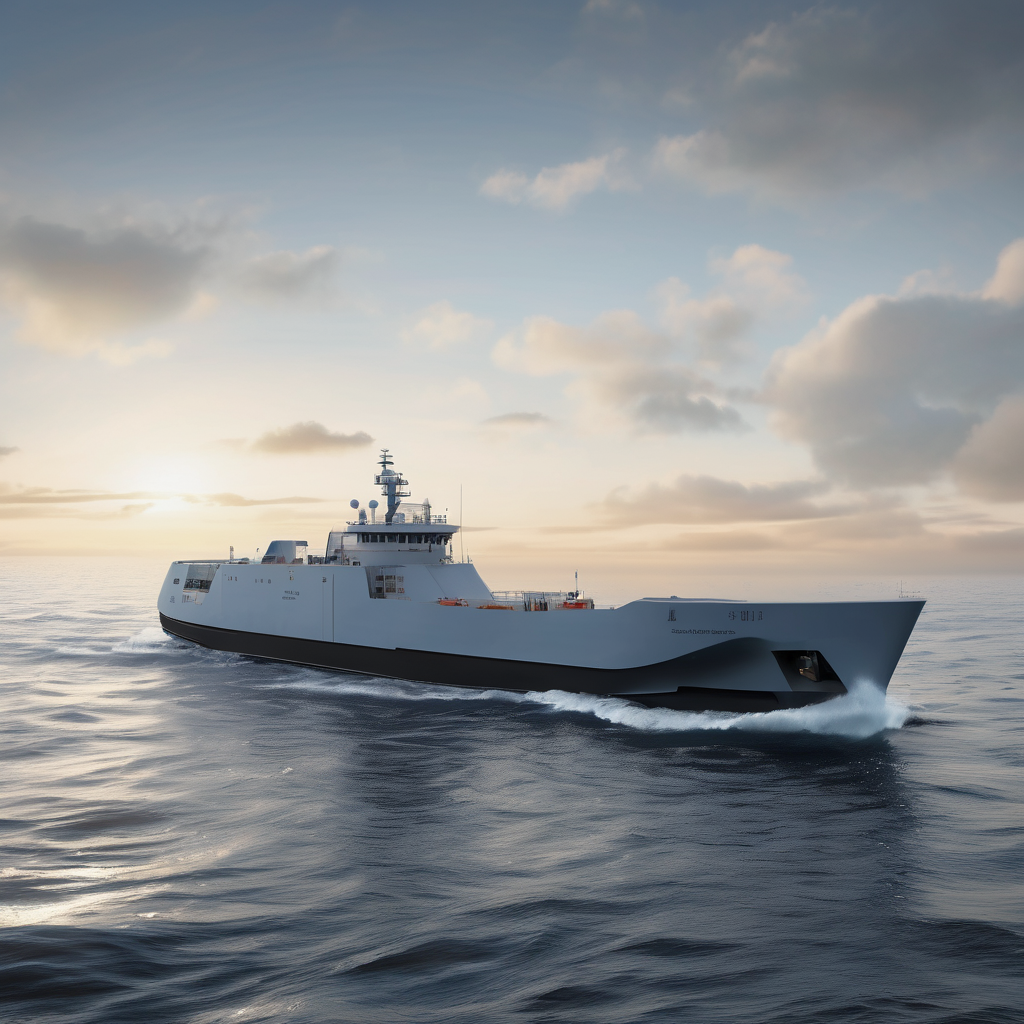
On Wednesday, the Malaysian government announced that the American marine robotics firm Ocean Infinity will recommence its search for the missing aircraft, targeting a vast underwater zone beginning December 30. This news has reignited hopes that the wreckage of the Boeing 777 may finally be located.
The flight vanished from air traffic radar 39 minutes after its departure from Kuala Lumpur to Beijing on March 8, 2014. The last communication from the pilot, “Good night, Malaysian Three Seven Zero,” occurred just before the plane crossed into Vietnamese airspace and failed to report to controllers. Shortly thereafter, the aircraft’s transponder ceased operation. Military radar tracked the jet making a turnaround over the Andaman Sea, while satellite data indicated it continued for several hours before likely crashing into a remote part of the southern Indian Ocean.
Various theories about the disappearance have emerged, suggesting possibilities such as hijacking, cabin depressurization, or power failure. Notably, there was no distress call or signs of a technical malfunction, which complicates the investigation. Malaysian authorities, after an extensive probe, suggested that while unlawful interference cannot be dismissed, passengers and crew were cleared of wrongdoing.
Onboard were 227 passengers—including five children—and 12 crew members, with a significant portion being Chinese nationals. Among the passengers were individuals traveling on stolen passports and employees of Freescale Semiconductor, alongside families and notable personalities.
The search operation commenced in the South China Sea and expanded to the Andaman Sea and the Indian Ocean, becoming the largest underwater investigation in history coordinated by Australia, Malaysia, and China. Investigators covered approximately 120,000 square kilometers (46,000 square miles) of seabed with aircraft and robotic submarines. Despite the monumental effort, the results were disappointing, with only a few debris pieces washing ashore, and the first confirmed wreckage—a flaperon—found on Réunion Island in July 2015, followed by other fragments along Africa’s east coast. The search was ultimately suspended in January 2017 due to lack of findings.
In 2018, Ocean Infinity took on the search under a “no find, no fee” agreement, focusing on areas indicated by debris drift studies, but this, too, concluded without any breakthroughs. The challenging conditions of the Indian Ocean, compounded by adverse weather and significant depths averaging about 4 kilometers (2.5 miles), have hindered recovery efforts.
Malaysia’s government approved a new contract with Ocean Infinity earlier this year, allowing them to search a new area of 15,000 square kilometers (5,800 square miles) under the same “no find, no fee” terms, with payment contingent upon the discovery of wreckage. Following a suspension in April due to poor weather, the renewed search plans will span 55 days, targeting sites believed to be most likely to yield results.
Ocean Infinity has stated it will utilize new technology and expertise to refine its search approach, although it remains uncertain whether any new evidence of the plane’s location has emerged. As the latest search effort approaches, families and interested parties hold onto hope that this renewed push will finally provide the closure they have long awaited regarding the fate of Flight MH370 and its passengers.